
 EN
EN

Maintaining food safety across a bulk frozen poultry supply chain is one of the most demanding responsibilities in the food industry. Every stage — from slaughter and processing to cold storage, international shipping, and final delivery — introduces potential risks that can compromise the integrity of bulk frozen poultry. When safety protocols are not rigorously followed, the consequences range from product recalls to serious public health incidents. Understanding how to build and maintain a robust food safety framework for bulk frozen poultry operations is essential for every buyer, distributor, and logistics partner involved.
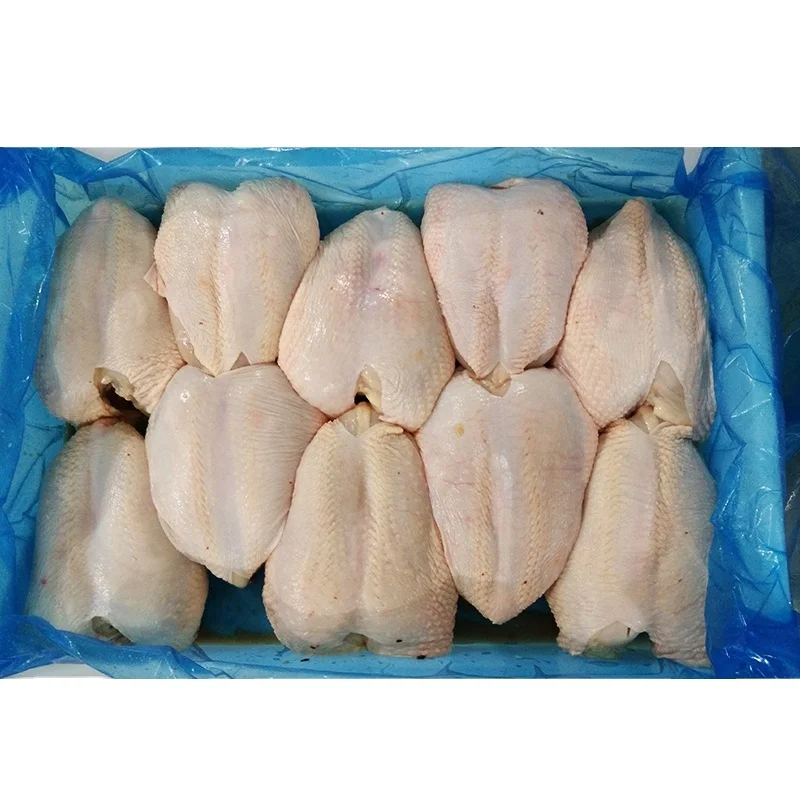
The global trade of bulk frozen poultry has grown significantly in recent years, driven by rising protein demand across Asia, the Middle East, and Africa. With bulk frozen poultry moving across multiple borders and passing through numerous handling points, the margin for error is extremely narrow. A single cold-chain failure or a lapse in hygiene at any processing facility can render an entire bulk frozen poultry shipment unsafe. This guide outlines the most critical steps and best practices to ensure food safety is upheld at every level of the bulk frozen poultry supply chain.
Cold Chain Integrity for Bulk Frozen Poultry
Temperature Control from Processing to Delivery
Temperature management is the foundation of food safety for bulk frozen poultry. Bulk frozen poultry must be maintained at a core temperature of -18°C or below throughout the entire cold chain. Any deviation above this threshold, even for a short period, can accelerate bacterial growth in bulk frozen poultry and make the product unsafe for consumption. Processors handling bulk frozen poultry must install continuous temperature monitoring systems at every storage and transit point. Real-time data loggers and automated alerts are now standard tools in professionally managed bulk frozen poultry facilities.
When bulk frozen poultry is transferred between cold storage warehouses or loaded onto refrigerated containers, the transition must be handled swiftly. Thermal bridging during bulk frozen poultry loading is a common source of temperature excursions. Dock doors must be sealed tightly, pre-cooling must be completed before bulk frozen poultry is moved, and loading times must be minimized. These practices ensure bulk frozen poultry retains its safety profile even during high-volume shipping operations.
Monitoring and Documentation in Bulk Frozen Poultry Logistics
Traceability is inseparable from cold chain management in bulk frozen poultry logistics. Every shipment of bulk frozen poultry should be accompanied by full temperature records, lot numbers, and processing dates. Buyers receiving bulk frozen poultry should verify these documents before accepting delivery. In the event of a safety concern, accurate documentation allows processors and distributors to trace bulk frozen poultry back to its source quickly, limiting the scope of any potential recall. Without proper records, managing a food safety event involving bulk frozen poultry becomes significantly more difficult and costly.
Processing Standards and Certification for Bulk Frozen Poultry
Hygiene and HACCP Compliance
A Hazard Analysis and Critical Control Points (HACCP) plan is the international benchmark for managing food safety risks in bulk frozen poultry processing. Every bulk frozen poultry facility should have an active, audited HACCP plan that identifies biological, chemical, and physical hazards at each processing stage. Critical control points for bulk frozen poultry typically include slaughter line hygiene, chilling rates, packaging integrity, and metal detection. Regular internal audits and third-party inspections confirm that bulk frozen poultry processing meets the required safety standards. Buyers sourcing bulk frozen poultry internationally should always request current HACCP certification before placing orders.
Worker hygiene protocols are equally important in bulk frozen poultry processing environments. Staff handling bulk frozen poultry must follow strict handwashing routines, wear appropriate protective clothing, and avoid cross-contamination between raw and processed areas. Any worker showing signs of illness must be removed from bulk frozen poultry handling lines immediately. These human-factor controls are often the difference between a safe bulk frozen poultry product and a contaminated one.
Halal and Import Compliance for Bulk Frozen Poultry
For bulk frozen poultry destined for markets in the Middle East, Southeast Asia, and parts of Africa, halal certification is a mandatory food safety and compliance requirement. Halal-certified bulk frozen poultry must be processed according to Islamic dietary law, which includes specific slaughter, handling, and storage practices. Beyond halal certification, bulk frozen poultry exported internationally must meet the import regulations of the destination country. These typically include veterinary health certificates, residue testing, and approval of the processing facility by the importing country's authority. Ensuring bulk frozen poultry meets all applicable certifications reduces the risk of shipment rejection and protects both buyers and suppliers.
Packaging and Storage Practices for Bulk Frozen Poultry
Protective Packaging to Prevent Contamination
Packaging plays a critical protective role in maintaining the safety of bulk frozen poultry throughout storage and transit. Bulk frozen poultry should be vacuum-sealed or tightly wrapped to prevent freezer burn, moisture loss, and cross-contamination. Master cartons used for bulk frozen poultry must be food-grade, moisture-resistant, and strong enough to withstand the mechanical stresses of palletizing and international shipping. Damaged packaging compromises the safety of bulk frozen poultry by exposing the product to airborne contaminants and physical damage. Quality checks on bulk frozen poultry packaging should occur both at the point of packing and upon receipt by the buyer.
Warehouse Management for Bulk Frozen Poultry Inventory
Proper warehouse management ensures that bulk frozen poultry does not exceed safe storage limits before reaching the end consumer. Bulk frozen poultry inventory should follow a strict first-in, first-out (FIFO) rotation system to prevent older stock from remaining in storage beyond its recommended shelf life. Cold storage facilities handling bulk frozen poultry must maintain consistent temperatures, adequate airflow, and separation between different product types to avoid cross-contamination. Regular pest control, sanitation schedules, and equipment maintenance are non-negotiable for any facility storing bulk frozen poultry at scale.
FAQ
What temperature should bulk frozen poultry be stored at?
Bulk frozen poultry must be stored and transported at -18°C or below at all times. Temperatures above this threshold can allow bacterial growth in bulk frozen poultry, which poses a serious food safety risk. Continuous temperature monitoring is recommended for all bulk frozen poultry storage and logistics operations.
What certifications should a bulk frozen poultry supplier have?
Reputable bulk frozen poultry suppliers should hold HACCP certification, relevant halal certification for applicable markets, and export approvals recognized by the importing country. Buyers sourcing bulk frozen poultry should request copies of all certifications and verify their current validity before confirming any bulk frozen poultry order.
How can buyers verify the safety of bulk frozen poultry on arrival?
Upon receiving bulk frozen poultry, buyers should inspect packaging for damage, verify temperature records from transit, and check lot numbers against shipping documentation. Any bulk frozen poultry shipment showing signs of thawing, damaged packaging, or missing documentation should be quarantined and investigated before being accepted into inventory or further distribution.