
 EN
EN
The catering industry depends on ingredients that are reliable, cost-effective, and safe to handle at scale. Frozen poultry has become one of the most essential protein sources for professional kitchens worldwide, offering a practical solution that addresses many of the operational challenges faced by catering businesses every day. Whether serving hotel banquets, institutional meal programs, or large-scale food service events, frozen poultry delivers clear and measurable advantages that fresh alternatives often cannot match.
Understanding what frozen poultry brings to the table is critical for any catering procurement manager or food service director making sourcing decisions. From extended shelf life to portion consistency, frozen poultry supports the operational backbone of high-volume catering. This article explores the key benefits of frozen poultry and why it continues to be the preferred choice across the professional catering sector.
Supply Chain Reliability with Frozen Poultry
Consistent Availability Throughout the Year
One of the most significant advantages of frozen poultry is its year-round availability. Fresh poultry is subject to seasonal supply fluctuations, regional shortages, and transportation delays that can disrupt catering operations. Frozen poultry eliminates this vulnerability because it can be produced, processed, and stored in bulk well in advance of demand. Catering operators who source frozen poultry gain the confidence that their protein supply will remain stable regardless of market conditions or seasonal shifts.
Frozen poultry also travels more efficiently across long distances compared to fresh poultry. Cold chain logistics for frozen poultry are well-established globally, making it easier for catering businesses to import premium cuts such as IQF frozen skinless boneless duck breast without compromising product integrity. This logistical strength makes frozen poultry an ideal choice for large catering operations that serve diverse menus throughout the year.
Reduced Procurement Risk
When catering operations rely on fresh poultry alone, they face procurement risks from price volatility and limited shelf life. Frozen poultry mitigates these risks by allowing buyers to purchase in larger quantities during favorable pricing windows. Storing frozen poultry reduces the urgency of just-in-time purchasing, giving procurement teams more control over budgets and inventory planning. This flexibility is a direct operational benefit that improves the financial resilience of catering businesses.
Quality and Food Safety Advantages
Preserved Nutritional Value and Texture
Modern IQF technology, which stands for Individual Quick Freezing, has transformed the quality standards of frozen poultry. When frozen poultry is processed using IQF methods, each piece is frozen rapidly and individually, preserving cellular structure, moisture content, and natural flavor. The result is frozen poultry that closely resembles the texture and taste of freshly processed cuts when properly thawed and cooked. For catering menus that demand consistent sensory quality, IQF frozen poultry is an excellent choice.
Frozen poultry also retains its nutritional profile effectively when stored at the correct temperature. Proteins, vitamins, and minerals in frozen poultry remain largely intact during proper frozen storage, giving catering chefs a nutritionally sound ingredient to build their menus around. Compared to fresh poultry that has been in transit for several days, well-handled frozen poultry can actually deliver superior nutritional quality at the point of use.
Enhanced Food Safety and Reduced Spoilage
Food safety is a non-negotiable priority in the catering industry, and frozen poultry plays a critical role in maintaining safe kitchens. The freezing process significantly slows the growth of bacteria and pathogens that cause foodborne illness. Frozen poultry that is stored and handled correctly carries a dramatically lower risk of spoilage compared to fresh poultry, which has a very narrow safe-use window. For catering kitchens managing large volumes of protein daily, frozen poultry reduces the risk of costly food waste and health code violations.
Reputable suppliers of frozen poultry follow strict quality control protocols including veterinary inspection, hygiene monitoring, and cold chain certification. These measures ensure that frozen poultry arrives at catering facilities in a safe and compliant condition, ready for professional kitchen use.
Cost Efficiency and Menu Flexibility
Lower Cost Per Portion for Catering Operations
Cost management is central to the profitability of any catering business, and frozen poultry offers clear financial advantages. Because frozen poultry can be purchased in bulk at competitive prices, catering operators benefit from lower cost per portion compared to fresh alternatives. Frozen poultry also generates less waste because it can be stored safely until needed, unlike fresh poultry that must be used quickly or discarded. Over the course of a month or a full catering season, these savings from frozen poultry add up significantly.
Portion-controlled frozen poultry products, such as individually quick-frozen duck breast, allow catering chefs to calculate food costs with precision. When each piece of frozen poultry is pre-trimmed and standardized in weight, kitchen teams spend less time on preparation and more time on cooking and presentation. This efficiency directly reduces labor costs associated with frozen poultry preparation, compounding the financial benefits for catering operators.
Broad Menu Applications for Catering Menus
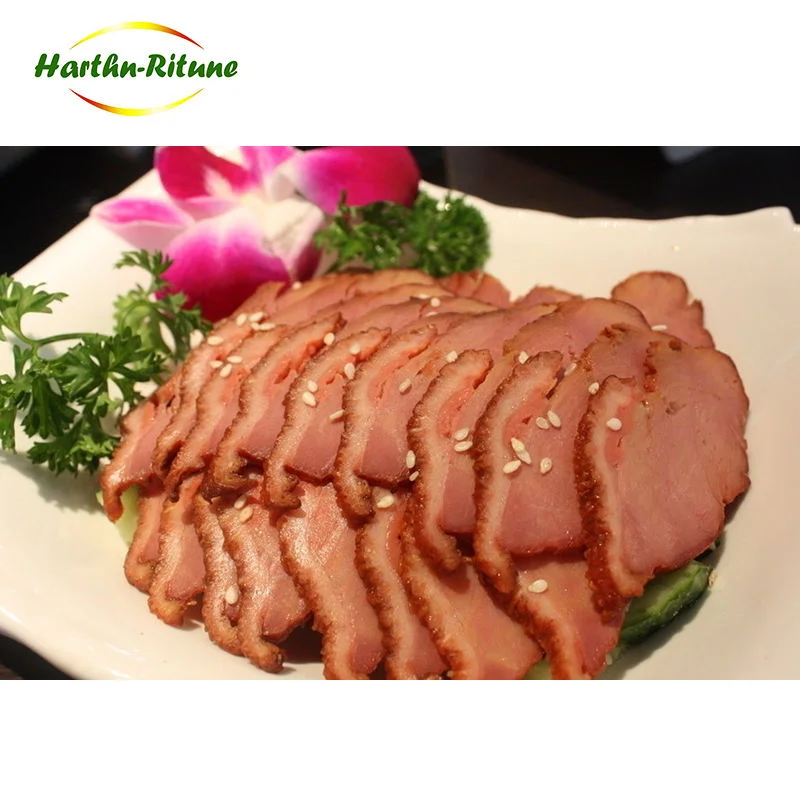
Frozen poultry supports an exceptionally wide range of menu applications in professional catering. From buffet carving stations featuring smoked duck breast to banquet entrees with grilled chicken or roasted turkey, frozen poultry adapts readily to diverse culinary styles and service formats. The availability of premium frozen poultry cuts such as boneless skinless breast fillets allows catering chefs to design sophisticated dishes without the complexity of in-house butchery.
Frozen poultry is also highly compatible with batch cooking techniques that are standard in catering environments. Large quantities of frozen poultry can be marinated, seasoned, and cooked simultaneously, streamlining production timelines for events serving hundreds or thousands of guests. The versatility of frozen poultry makes it an indispensable ingredient for catering menus that need to impress while remaining operationally manageable.
FAQ
How long can frozen poultry be stored safely in a catering kitchen?
Frozen poultry can typically be stored safely for six to twelve months when held at a consistent temperature of minus eighteen degrees Celsius or lower. Proper labeling and stock rotation practices ensure that frozen poultry is used within its optimal quality window, minimizing waste and maintaining food safety standards in professional catering environments.
Is IQF frozen poultry better than block-frozen poultry for catering?
IQF frozen poultry is generally preferred in catering because each piece is frozen individually, making it easier to thaw only the quantity needed. Block-frozen poultry requires the entire block to be thawed at once, which can lead to waste. IQF frozen poultry also tends to have better texture and appearance after thawing, making it more suitable for premium catering presentations.
What types of frozen poultry are most commonly used in hotel catering?
Hotel catering operations commonly use frozen poultry including chicken breast fillets, whole roasting chickens, turkey portions, and premium duck products such as smoked duck breast. Frozen poultry in these forms is easy to portion, cost-effective to source in large volumes, and suitable for a wide range of cooking methods used in hotel banquet and restaurant kitchens.