
 EN
EN


Selecting the right frozen poultry cuts is one of the most consequential decisions a wholesale food buyer can make. The variety of frozen poultry cuts available on the market is vast, and not every cut performs equally well across different food service environments, retail channels, or processing facilities. Understanding which frozen poultry cuts deliver the best value, yield, and versatility helps buyers reduce waste, manage costs, and satisfy downstream customers reliably.
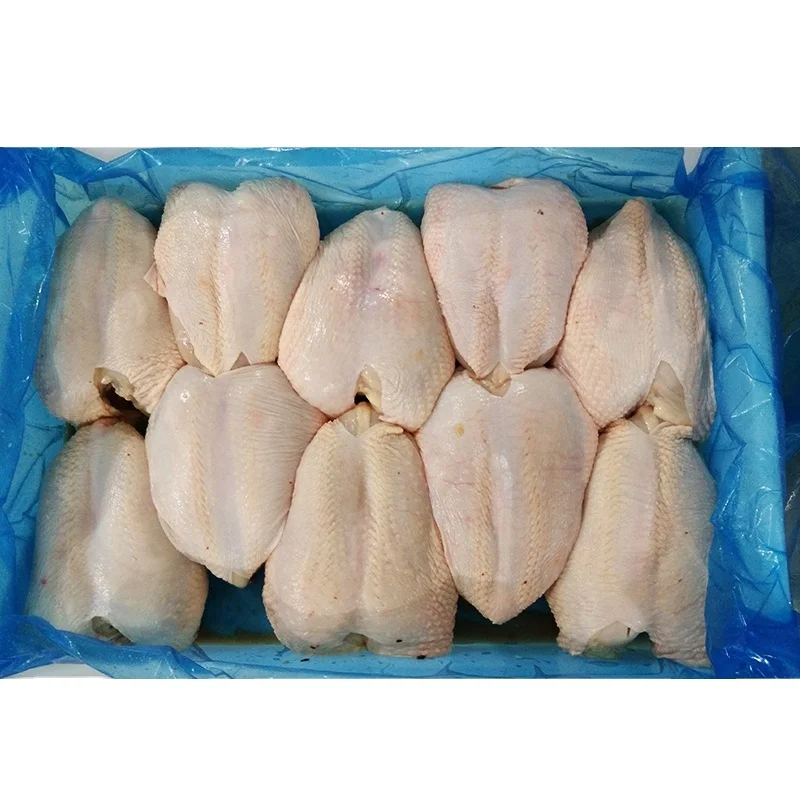
Wholesale food markets operate on tight margins and high volume, which means frozen poultry cuts must meet strict standards for consistency, shelf life, and format suitability. Buyers sourcing frozen poultry cuts at scale need clear selection criteria rather than guesswork. This article breaks down the most commercially relevant frozen poultry cuts, explains their fit across different market segments, and provides practical guidance for making smarter procurement decisions.
High-Demand Frozen Poultry Cuts in Wholesale Channels
Boneless Skinless Breast Fillets
Among all frozen poultry cuts, boneless skinless chicken breast fillets consistently rank as the most in-demand option across wholesale food markets. These frozen poultry cuts are prized for their clean protein profile, minimal waste, and versatile application in food service, meal kit operations, and retail packaging. Because boneless skinless breast fillets are easy to portion, they reduce labor costs downstream and simplify production planning for food manufacturers. Buyers seeking frozen poultry cuts with the broadest cross-channel appeal will find breast fillets to be the most reliable choice in bulk procurement.
Bone-In Leg Quarters and Thigh Portions
Bone-in leg quarters and thigh portions are among the most cost-effective frozen poultry cuts available in wholesale volumes. These frozen poultry cuts carry a higher fat content and deeper flavor profile, making them well suited for food service operations focused on grilling, braising, and slow-cooking applications. Catering businesses, institutional kitchens, and quick-service restaurants frequently purchase these frozen poultry cuts in bulk because of their price advantage over premium cuts. In markets where cost control is the primary procurement driver, bone-in frozen poultry cuts often outperform leaner options in overall value delivered per kilogram.
Frozen Poultry Cuts by Market Segment and Use Case
Retail Packing and Consumer-Facing Products
When wholesale buyers are supplying retail channels, frozen poultry cuts must meet consumer-facing standards for appearance, packaging compatibility, and label-ready format. Breast fillets and boneless thighs are the frozen poultry cuts most suited for retail repacking because they present well, portion cleanly, and align with consumer preference for convenient, low-prep proteins. Retail-bound frozen poultry cuts also need to comply with cold chain specifications that protect product appearance through distribution. Buyers sourcing frozen poultry cuts for retail should prioritize individually quick-frozen formats, which preserve cut integrity and allow flexible repacking at destination.
Food Service, Catering, and Institutional Supply
Food service operators purchase frozen poultry cuts in larger format packs, often tolerating a wider range of cut sizes as long as cooking yield and flavor consistency are maintained. Whole legs, split breasts, and wing segments are all commercially active frozen poultry cuts in food service supply chains. Institutional buyers such as schools, hospitals, and large canteen operators look for frozen poultry cuts that deliver predictable cooking performance across high-volume batches. For these buyers, bone-in frozen poultry cuts are often preferred because they hold moisture better during extended cooking and keep unit costs manageable across large order quantities.
Industrial Processing and Value-Added Manufacturing
Food manufacturers and value-added processors source frozen poultry cuts as raw input material for further-processed products such as nuggets, patties, marinated strips, and ready meals. For industrial processing, the frozen poultry cuts of choice are typically mechanically deboned meat, minced breast meat, or trimmed thigh meat. These frozen poultry cuts enter production lines directly and must meet strict microbiological and compositional standards. Buyers in the processing sector evaluate frozen poultry cuts not just on price but on lean meat yield, moisture retention, and freezing method, as these factors directly affect finished product quality and production efficiency.
Selection Criteria for Wholesale Buyers
Halal Certification and Compliance
Halal compliance is a critical selection factor for frozen poultry cuts sold into Muslim-majority markets, export channels, and multicultural retail environments. Buyers should verify that frozen poultry cuts carry valid halal certification from a recognized body, and that the certification covers the entire supply chain from slaughter through freezing and packaging. Halal-certified frozen poultry cuts command a broader addressable market and are increasingly required even in non-specialist wholesale channels due to growing demand from diverse consumer bases. Failing to source certified frozen poultry cuts for halal-sensitive markets can result in rejected shipments and lost buyer relationships.
Cold Chain Integrity and Packaging Standards
Frozen poultry cuts are highly perishable if cold chain integrity is compromised at any stage of transit or storage. Wholesale buyers should evaluate supplier documentation for temperature logs, IQF process validation, and packaging barrier specifications when sourcing frozen poultry cuts in bulk. Poorly managed frozen poultry cuts arrive with ice crystal damage, partial thaw marks, or oxidation that degrade yield and customer satisfaction. Packaging format also matters: frozen poultry cuts supplied in vacuum-sealed or modified atmosphere packs maintain quality longer and reduce the risk of freezer burn during extended warehousing.
FAQ
What are the most versatile frozen poultry cuts for wholesale buyers?
Boneless skinless breast fillets are widely considered the most versatile frozen poultry cuts because they suit retail, food service, and food manufacturing applications equally well. Their lean profile, clean presentation, and easy portioning make them a dependable choice across a wide range of buyer segments sourcing frozen poultry cuts in bulk volumes.
How should wholesale buyers evaluate frozen poultry cuts for quality?
Buyers should assess frozen poultry cuts based on freezing method, lean meat yield, halal or other certification status, cold chain documentation, and packaging integrity. Requesting product specification sheets and third-party audit reports from suppliers helps buyers verify that frozen poultry cuts consistently meet the required standards before committing to large volume orders.
Are halal-certified frozen poultry cuts more expensive than standard cuts?
Halal-certified frozen poultry cuts may carry a modest price premium reflecting the cost of certification, auditing, and compliant slaughter processes. However, halal frozen poultry cuts open access to significantly larger export and retail markets, which typically justifies the additional cost for wholesale buyers focused on maximizing distribution reach and reducing unsold inventory risk.