
 EN
EN

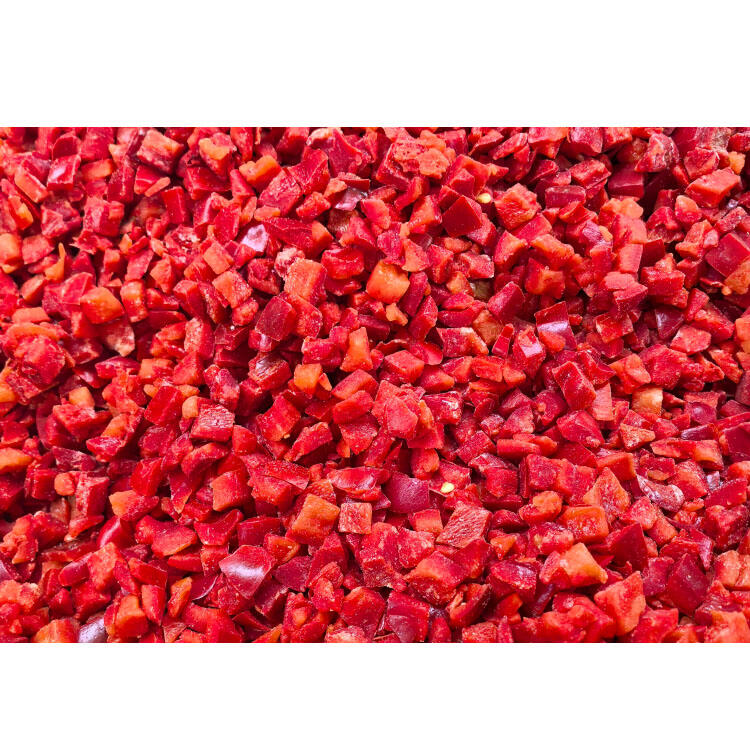
The global food supply chain faces unprecedented challenges in feeding a population that continues to grow while dealing with climate uncertainties, economic fluctuations, and evolving consumer demands. Within this complex landscape, frozen poultry has emerged as a cornerstone of international food security, providing reliable protein sources that transcend geographical boundaries and seasonal limitations. Understanding why frozen poultry plays such a critical role in global nutrition requires examining the intersection of preservation technology, logistics efficiency, and nutritional accessibility that makes this protein source indispensable for countries worldwide.
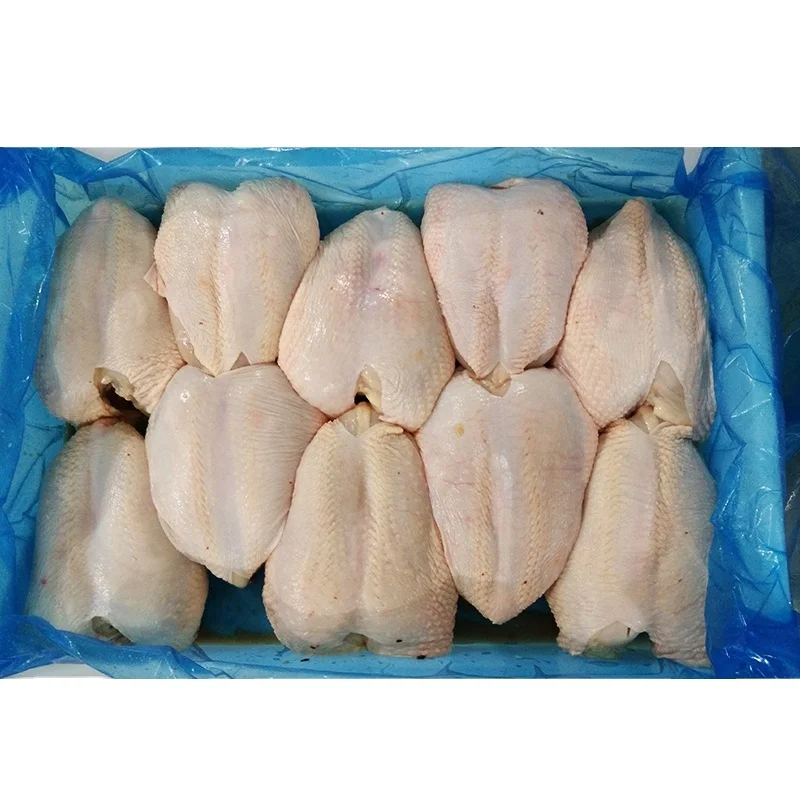
The strategic importance of frozen poultry extends far beyond simple convenience, representing a fundamental shift in how nations approach food security and protein distribution. As countries grapple with domestic production limitations, seasonal availability constraints, and the need to maintain consistent food supplies regardless of local agricultural conditions, frozen poultry provides the stability and reliability that fresh alternatives cannot consistently deliver. This protein source has become essential not merely as a supplement to local production, but as a primary mechanism for ensuring that populations worldwide have access to affordable, nutritious protein regardless of their geographic location or economic circumstances.
Extended Shelf Life and Global Distribution Advantages
Storage Duration and Quality Preservation
The preservation capabilities of frozen poultry represent one of its most significant contributions to international food supplies, with properly frozen products maintaining their nutritional value and safety for extended periods that far exceed fresh alternatives. When frozen poultry is processed and stored at optimal temperatures, typically at or below -18°C, it can maintain its quality for months or even years, depending on the specific product and packaging methods employed. This extended shelf life transforms the economics of international trade by allowing producers to manufacture products in advance of demand, store inventory during peak production periods, and distribute protein sources to markets that may be thousands of miles away from production facilities.
The quality preservation achieved through proper freezing technology ensures that frozen poultry retains essential nutrients, including high-quality proteins, vitamins, and minerals that are crucial for human health. Unlike other preservation methods that may compromise nutritional content, freezing essentially suspends biological processes without requiring chemical additives or extensive processing that could diminish the food's natural value. This means that consumers in regions with limited access to fresh protein sources can receive nutritionally equivalent products through frozen poultry distribution systems, democratizing access to essential nutrition on a global scale.
Transportation and Logistics Efficiency
The logistics advantages of frozen poultry create efficiencies in international trade that would be impossible to achieve with fresh alternatives, enabling cost-effective distribution across vast distances and complex supply chains. Transportation companies can consolidate frozen poultry shipments with other frozen goods, maximizing container utilization and reducing per-unit shipping costs that make protein accessible to markets with limited purchasing power. The predictable storage requirements and extended handling timeframes allow logistics providers to optimize routing, reduce waste from spoilage during transit, and maintain consistent supply schedules that fresh products cannot reliably support.
These transportation efficiencies translate into significant cost savings that benefit both producers and consumers, making frozen poultry an economically viable protein source for developing nations and regions with challenging geographic access. The ability to ship large quantities without the time pressure associated with fresh products allows for economies of scale in production and distribution that drive down unit costs while maintaining quality standards. This economic accessibility is crucial for international food security, as it ensures that protein sources remain affordable for populations that might otherwise face nutritional deficiencies due to cost barriers.
Economic Accessibility and Market Stability
Cost-Effective Protein Distribution
The economic advantages of frozen poultry in international markets stem from its ability to provide high-quality protein at price points that remain accessible to diverse economic demographics worldwide. Production facilities can operate at optimal efficiency levels throughout the year, processing large volumes during peak availability periods and storing products for distribution during times when fresh alternatives become scarce or prohibitively expensive. This production smoothing effect helps stabilize protein prices in international markets, preventing the dramatic cost fluctuations that can occur when food supplies depend entirely on seasonal fresh production cycles.
The cost-effectiveness of frozen poultry extends beyond the initial purchase price to include reduced waste and preparation efficiency advantages that benefit both commercial food service operations and household consumers. Unlike fresh products that require immediate use or risk spoilage, frozen poultry allows users to purchase in larger quantities during favorable pricing periods, store products until needed, and minimize waste from unexpected demand fluctuations. This inventory flexibility is particularly valuable for food service operations in developing regions, where reliable supply chains for fresh products may be inconsistent or unreliable.
Buffer Against Supply Chain Disruptions
The stability that frozen poultry provides to international food supplies becomes most apparent during supply chain disruptions, natural disasters, or other crisis situations that can severely impact fresh food availability. When transportation networks face delays, weather events disrupt production cycles, or political situations affect trade routes, frozen poultry inventory serves as a crucial buffer that maintains protein availability while fresh supply chains recover. This resilience has proven essential during global events such as pandemics, natural disasters, and geopolitical conflicts that have highlighted the vulnerability of just-in-time fresh food distribution systems.
The strategic stockpiling capabilities enabled by frozen poultry allow nations and regions to maintain food security independence during challenging periods, reducing dependence on potentially unreliable fresh supply chains that may be disrupted by factors beyond local control. Government agencies and international aid organizations frequently rely on frozen poultry as a core component of emergency food distribution programs because of its shelf stability, nutritional completeness, and logistical manageability during crisis response operations. This emergency preparedness capacity makes frozen poultry an essential component of national food security strategies worldwide.
Nutritional Consistency and Global Health Impact
Standardized Nutritional Profiles
The nutritional consistency achieved through frozen poultry processing and distribution systems provides populations worldwide with access to standardized protein sources that deliver predictable nutritional benefits regardless of local production capabilities or seasonal variations. Unlike fresh products that may vary significantly in nutritional content based on local feed quality, processing methods, or environmental factors, frozen poultry can be produced under controlled conditions that ensure consistent protein content, amino acid profiles, and vitamin levels across different production batches and geographic sources.
This nutritional standardization is particularly valuable for international development programs, institutional feeding operations, and public health initiatives that require reliable nutritional content for planning and monitoring purposes. Healthcare providers and nutritionists can confidently recommend frozen poultry consumption knowing that the nutritional benefits will be consistent across different suppliers and production periods, enabling more effective dietary planning for populations facing malnutrition or protein deficiency challenges. The ability to provide consistent nutrition through frozen poultry distribution has become a cornerstone of international food aid programs and development assistance initiatives worldwide.
Supporting Global Public Health Goals
The contribution of frozen poultry to global public health extends beyond basic nutrition to support broader health objectives including combating malnutrition, supporting child development, and providing essential amino acids needed for immune system function and overall health maintenance. International health organizations have recognized the role of accessible protein sources in addressing global malnutrition challenges, with frozen poultry providing a practical mechanism for delivering complete proteins to populations that may have limited access to diverse protein sources through local production or fresh distribution systems.
The public health benefits of frozen poultry accessibility are particularly pronounced in regions where traditional protein sources may be seasonal, expensive, or culturally limited, allowing diverse populations to access complete amino acid profiles essential for proper growth and development. Research has consistently demonstrated that populations with reliable access to high-quality protein sources, including frozen poultry, show improved health outcomes, better childhood development indicators, and enhanced resistance to disease compared to populations with limited protein access. This health impact multiplies across generations, making frozen poultry distribution an investment in long-term population health and economic development.
Cultural Adaptation and Global Food Security
Meeting Diverse Culinary Preferences
The versatility of frozen poultry in adapting to diverse cultural culinary traditions worldwide has made it an essential component of international food supplies that can satisfy varied taste preferences while delivering consistent nutritional benefits. Unlike some protein sources that may be culturally specific or require particular preparation methods, frozen poultry can be adapted to virtually any cuisine style, cooking method, or flavor profile that different cultures prefer. This adaptability ensures that nutritional benefits can be delivered through foods that are culturally acceptable and appealing to local populations, increasing consumption rates and nutritional impact.
The cultural flexibility of frozen poultry products extends to religious and dietary requirements, with processing facilities capable of meeting halal, kosher, and other specialized preparation standards that allow diverse populations to access protein sources that align with their religious or cultural dietary restrictions. This accommodation of cultural preferences ensures that frozen poultry can serve as a universal protein source that respects cultural diversity while addressing nutritional needs, making it particularly valuable for international humanitarian programs and multicultural societies that require food solutions suitable for diverse population groups.
Supporting Food System Resilience
The contribution of frozen poultry to global food system resilience extends beyond individual nutrition to support broader food security objectives including reducing dependence on local production limitations, climate vulnerability, and economic instability that can threaten food access. Countries with limited agricultural capabilities, challenging climates, or economic constraints can use frozen poultry imports to supplement local food production and ensure that their populations maintain access to essential proteins regardless of local production challenges or seasonal limitations.
This food system resilience becomes particularly important as climate change continues to affect agricultural production patterns worldwide, creating uncertainties in local food production that frozen poultry distribution can help mitigate. Nations can diversify their protein supply sources through international frozen poultry markets, reducing vulnerability to local production failures, weather-related disruptions, or other factors that might otherwise threaten food security. The development of robust international frozen poultry distribution networks creates interconnected food systems that can respond flexibly to supply challenges and maintain nutrition access even when individual regions face production difficulties.
FAQ
How long can frozen poultry maintain its nutritional value and safety?
Properly frozen poultry can maintain its nutritional value and safety for 6 to 12 months when stored at consistent temperatures at or below -18°C. The freezing process preserves essential proteins, vitamins, and minerals without requiring chemical additives, making frozen poultry nutritionally equivalent to fresh alternatives. Quality depends on proper handling, packaging, and storage conditions throughout the supply chain, with vacuum-sealed or properly wrapped products maintaining optimal quality for longer periods than those exposed to air or temperature fluctuations.
Why is frozen poultry more cost-effective than fresh alternatives for international distribution?
Frozen poultry offers significant cost advantages for international distribution because it eliminates the time pressure and waste associated with fresh products, allows for consolidated shipping with other frozen goods, and enables producers to manufacture during optimal production periods for distribution throughout the year. These efficiencies reduce transportation costs, minimize spoilage losses, and allow for economies of scale in production that translate into lower consumer prices while maintaining consistent quality and availability across global markets.
How does frozen poultry contribute to food security during supply chain disruptions?
Frozen poultry serves as a critical buffer during supply chain disruptions by providing extended storage capabilities that allow stockpiling during stable periods for use during crises. Unlike fresh alternatives that require immediate consumption, frozen poultry can be stored for months, enabling governments and organizations to maintain protein supplies during natural disasters, transportation interruptions, or other disruptions that affect fresh food distribution. This resilience makes frozen poultry an essential component of emergency preparedness and food security planning worldwide.
What makes frozen poultry suitable for diverse cultural and dietary requirements?
Frozen poultry adapts easily to diverse cultural culinary traditions and dietary requirements because of its versatility in preparation methods and its ability to be processed according to specific religious or cultural standards such as halal or kosher requirements. The neutral flavor profile and varied cut options allow frozen poultry to be incorporated into virtually any cuisine style while maintaining nutritional benefits, making it culturally acceptable and appealing to diverse global populations with different taste preferences and dietary restrictions.
Table of Contents
- Extended Shelf Life and Global Distribution Advantages
- Economic Accessibility and Market Stability
- Nutritional Consistency and Global Health Impact
- Cultural Adaptation and Global Food Security
-
FAQ
- How long can frozen poultry maintain its nutritional value and safety?
- Why is frozen poultry more cost-effective than fresh alternatives for international distribution?
- How does frozen poultry contribute to food security during supply chain disruptions?
- What makes frozen poultry suitable for diverse cultural and dietary requirements?