
 EN
EN

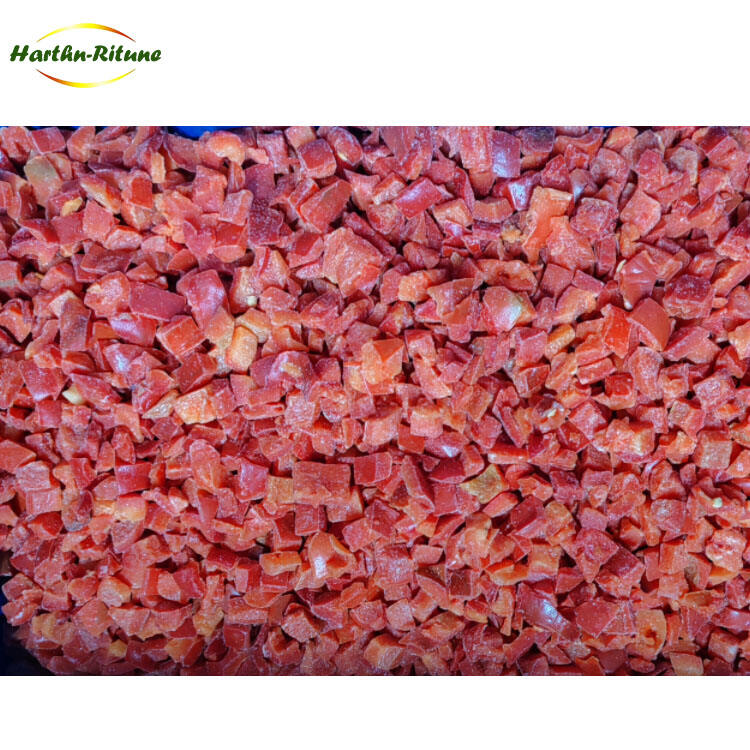
The retail landscape for fresh produce continues to evolve, and smart retailers are discovering that frozen vegetables offer compelling advantages that can transform their business operations and customer satisfaction levels. Understanding these benefits becomes crucial for retailers looking to optimize their product mix, reduce waste, and meet diverse consumer demands while maintaining healthy profit margins.

Modern consumers increasingly value convenience, nutritional quality, and consistent availability in their food choices, making frozen vegetables an essential category for forward-thinking retailers. The strategic advantages of incorporating comprehensive frozen vegetables sections extend far beyond simple product diversification, touching every aspect of retail operations from inventory management to customer loyalty building.
Extended Shelf Life and Inventory Management Advantages
Reduced Product Waste and Spoilage
One of the most significant benefits retailers experience with frozen vegetables is the dramatic reduction in product waste compared to fresh produce. Fresh vegetables typically have shelf lives measured in days or weeks, while frozen vegetables maintain quality for months or even years when properly stored. This extended shelf life translates directly into reduced shrinkage costs, allowing retailers to maintain consistent inventory levels without the constant pressure of moving perishable products quickly.
The financial impact of reduced waste becomes particularly pronounced during periods of fluctuating consumer demand or unexpected supply chain disruptions. Retailers who maintain robust frozen vegetables selections can weather market volatility more effectively, as their inventory remains stable and saleable regardless of short-term demand fluctuations.
Additionally, the predictable nature of frozen vegetables inventory allows for more accurate forecasting and purchasing decisions. Retailers can stock up during favorable pricing periods without worrying about rapid deterioration, creating opportunities for bulk purchasing discounts and improved supplier relationships.
Simplified Storage and Handling Requirements
Frozen vegetables require significantly less complex handling procedures compared to fresh produce, streamlining retail operations and reducing labor costs. Storage requirements are straightforward, with consistent temperature maintenance being the primary concern, eliminating the need for specialized humidity controls, frequent rotation schedules, and careful handling procedures that fresh vegetables demand.
The standardized storage requirements for frozen vegetables also mean that retailers can maximize their freezer space efficiency, stacking products uniformly and accessing inventory easily. This operational simplicity translates into reduced training requirements for staff and lower risk of handling errors that could compromise product quality or safety.
Furthermore, the packaging of frozen vegetables typically provides better protection against physical damage during transport and handling, reducing the likelihood of unsaleable damaged goods that can occur with delicate fresh produce items.
Consistent Quality and Nutritional Value
Preserved Peak Nutrition Through Flash Freezing
Modern frozen vegetables often retain higher nutritional values than fresh vegetables that have traveled long distances or sat on shelves for extended periods. The flash-freezing process locks in vitamins and minerals at their peak levels, immediately after harvest, ensuring that customers receive consistent nutritional benefits regardless of seasonality or geographic location.
This nutritional consistency becomes a powerful selling point for health-conscious consumers who prioritize vitamin and mineral content in their food choices. Retailers can confidently market frozen vegetables as nutritionally equivalent or superior alternatives to fresh options, particularly during off-seasons when fresh varieties may have diminished nutritional profiles due to extended storage or transportation.
The reliability of nutritional content in frozen vegetables also appeals to customers following specific dietary programs or managing health conditions that require consistent nutrient intake, creating opportunities for targeted marketing and customer education initiatives.
Uniform Appearance and Quality Standards
Frozen vegetables provide retailers with predictable product quality that meets consistent visual and functional standards, eliminating the variability often associated with fresh produce sourcing. This consistency helps build customer confidence and reduces complaints or returns related to product quality issues.
The standardized processing of frozen vegetables ensures that each package contains vegetables of similar size, color, and texture, creating a professional appearance on retail shelves and in customer kitchens. This uniformity supports brand reputation and customer satisfaction, as consumers know exactly what to expect from their purchases.
Quality consistency also simplifies staff training and customer service, as employees can confidently recommend frozen vegetables products without concerns about variable quality that might affect customer satisfaction or cooking results.
Year-Round Availability and Market Stability
Seasonal Independence and Supply Chain Reliability
Frozen vegetables liberate retailers from the constraints of seasonal availability, allowing them to offer consistent product selection throughout the year regardless of weather conditions, regional growing seasons, or agricultural challenges. This reliability enables retailers to maintain stable pricing strategies and consistent customer service levels.
The independence from seasonal fluctuations proves particularly valuable during extreme weather events, natural disasters, or other supply chain disruptions that can severely impact fresh produce availability and pricing. Retailers with strong frozen vegetables offerings can continue serving customer needs even when fresh alternatives become scarce or prohibitively expensive.
Additionally, the global sourcing capabilities for frozen vegetables mean that retailers can access a wider variety of products than what might be locally or regionally available in fresh form, expanding their product offerings and appealing to diverse customer preferences and cultural food traditions.
Price Stability and Profit Margin Predictability
The extended shelf life and stable supply chain characteristics of frozen vegetables contribute to more predictable pricing structures, allowing retailers to maintain consistent profit margins and avoid the dramatic price swings often associated with fresh produce markets. This stability supports better financial planning and inventory investment decisions.
Retailers can also take advantage of bulk purchasing opportunities and long-term supply contracts for frozen vegetables, securing favorable pricing that remains stable over extended periods. This purchasing flexibility creates opportunities for promotional pricing strategies that can drive customer traffic and loyalty without sacrificing profitability.
The price predictability of frozen vegetables also enables retailers to offer competitive pricing relative to fresh alternatives, particularly during off-seasons when fresh produce prices typically peak, creating additional value propositions for cost-conscious consumers.
Enhanced Customer Convenience and Satisfaction
Ready-to-Use Preparation Benefits
Modern consumers increasingly value convenience in their food preparation, and frozen vegetables deliver significant time-saving advantages that appeal to busy households and professional cooks alike. Pre-washed, pre-cut, and often pre-blanched frozen vegetables eliminate numerous preparation steps, reducing cooking time and kitchen cleanup requirements.
The convenience factor becomes particularly important for retailers targeting working families, elderly customers, or individuals with limited cooking experience who appreciate simplified meal preparation options. Frozen vegetables enable these customer segments to maintain healthy eating habits without extensive food preparation knowledge or time investment.
Additionally, the portion control advantages of frozen vegetables appeal to smaller households or individuals who struggle with using entire fresh vegetables before spoilage occurs, reducing food waste at the consumer level and increasing customer satisfaction with their purchasing decisions.
Versatility in Cooking Applications
Frozen vegetables offer exceptional versatility in cooking applications, performing equally well in steaming, stir-frying, roasting, or incorporation into soups, casseroles, and other prepared dishes. This versatility makes frozen vegetables attractive to customers with diverse cooking preferences and skill levels.
The consistent texture and moisture content of frozen vegetables also make them reliable ingredients for commercial food service customers, including restaurants, cafeterias, and catering operations that require predictable cooking results and standardized portion control.
Retailers can leverage this versatility by developing educational materials, recipe suggestions, and cross-merchandising opportunities that demonstrate the multiple uses for frozen vegetables, potentially increasing average transaction values and customer engagement with the category.
Operational Efficiency and Cost Management
Labor Cost Reduction and Efficiency Gains
Frozen vegetables require significantly less labor-intensive management compared to fresh produce sections, reducing staffing requirements for tasks such as frequent quality checks, rotation schedules, trimming, misting, and display maintenance. This labor efficiency translates directly into improved profit margins and operational simplicity.
The reduced handling requirements also minimize the risk of workplace injuries associated with repetitive lifting, bending, and manipulation of heavy or awkward fresh produce items, potentially reducing workers' compensation costs and improving employee satisfaction.
Store layouts can be optimized more efficiently with frozen vegetables sections, as the products require less frequent restocking and reorganization compared to fresh produce displays that need constant attention throughout operating hours.
Space Utilization and Display Efficiency
Frozen vegetables maximize retail space efficiency through vertical storage capabilities and standardized packaging that stacks uniformly in freezer cases. This space efficiency allows retailers to offer extensive product variety within relatively compact footprints, maximizing revenue per square foot of retail space.
The uniform packaging of frozen vegetables also creates visually appealing, organized displays that are easy for customers to navigate and for staff to maintain, contributing to overall store aesthetics and shopping experience quality.
Retailers can also utilize frozen vegetables to optimize their cold storage investments, as freezer space tends to be more cost-effective per cubic foot than refrigerated fresh produce storage, while offering longer-term inventory holding capabilities.
FAQ
How long can retailers store frozen vegetables before quality begins to decline?
Most frozen vegetables maintain optimal quality for 8 to 12 months when stored at consistent temperatures below 0°F. However, many products remain safe and acceptable for consumption beyond this timeframe, though texture and flavor may gradually diminish. Retailers should follow first-in, first-out inventory rotation practices and monitor manufacturer date codes to ensure optimal product quality for customers.
Do frozen vegetables require special equipment or storage considerations beyond standard freezer cases?
Standard commercial freezer equipment is typically sufficient for frozen vegetables storage, with the primary requirement being consistent temperature maintenance at or below 0°F. Retailers should ensure adequate air circulation within freezer cases, regular temperature monitoring, and backup power systems to protect inventory during equipment failures or power outages.
How do profit margins on frozen vegetables compare to fresh produce?
Frozen vegetables typically offer more stable and often higher profit margins than fresh produce due to reduced waste, lower labor costs, and more predictable pricing structures. While initial wholesale costs may be similar, the elimination of shrinkage losses and reduced handling expenses often result in improved overall profitability for retailers who effectively manage their frozen vegetables categories.
Can frozen vegetables help retailers appeal to specific customer demographics?
Frozen vegetables appeal to diverse customer segments including busy families seeking convenience, health-conscious consumers wanting consistent nutrition, budget-minded shoppers looking for value, and elderly customers who prefer easy preparation options. Retailers can target these demographics through strategic merchandising, promotional pricing, and educational marketing that highlights the specific benefits most relevant to each customer group.
Table of Contents
- Extended Shelf Life and Inventory Management Advantages
- Consistent Quality and Nutritional Value
- Year-Round Availability and Market Stability
- Enhanced Customer Convenience and Satisfaction
- Operational Efficiency and Cost Management
-
FAQ
- How long can retailers store frozen vegetables before quality begins to decline?
- Do frozen vegetables require special equipment or storage considerations beyond standard freezer cases?
- How do profit margins on frozen vegetables compare to fresh produce?
- Can frozen vegetables help retailers appeal to specific customer demographics?