
 EN
EN


The wholesale food industry has witnessed a remarkable transformation in recent years, with freeze dried products emerging as one of the most sought-after categories. This revolutionary preservation method has captured the attention of distributors, retailers, and consumers alike, driven by its unique ability to maintain nutritional value while extending shelf life significantly. As global supply chains face increasing challenges and consumer preferences shift toward healthier, more convenient options, freeze dried products have positioned themselves at the forefront of this evolution.
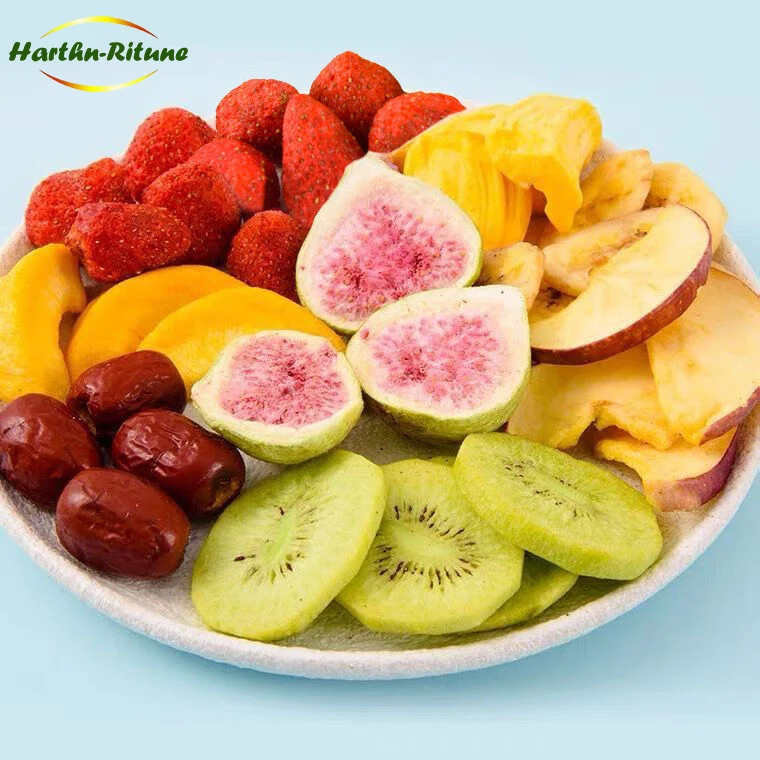
Understanding the growing popularity of these products requires examining the intersection of technology, consumer behavior, and market dynamics. The freeze-drying process, also known as lyophilization, removes moisture through sublimation while preserving the cellular structure of foods. This results in products that retain up to 97% of their original nutritional content, making them an attractive option for health-conscious consumers and businesses seeking premium ingredients.
Revolutionary Preservation Technology Behind Market Growth
Advanced Freeze-Drying Process Mechanics
The sophisticated technology underlying freeze dried products represents a significant advancement over traditional preservation methods. The process begins with flash-freezing fresh ingredients at extremely low temperatures, typically around -40°F to -50°F. This rapid freezing creates small ice crystals that help maintain the food's cellular integrity, ensuring that texture, flavor, and nutrients remain largely intact throughout the preservation process.
Following the initial freezing phase, the products undergo primary drying in a vacuum chamber where pressure is reduced to allow ice to sublimate directly into vapor without passing through a liquid state. This sublimation process occurs at temperatures between -10°F to 0°F, carefully controlled to prevent melting. The final secondary drying phase removes any remaining bound water molecules at slightly elevated temperatures, resulting in products with moisture content as low as 1-4%.
Quality Preservation Advantages
The exceptional quality preservation capabilities of freeze-drying technology have made these products increasingly valuable in wholesale markets. Unlike conventional drying methods that use high heat and can destroy heat-sensitive vitamins and minerals, freeze-drying operates under controlled low-temperature conditions. This gentle process preserves vitamin C, antioxidants, and other delicate compounds that are often lost in traditional preservation techniques.
Additionally, the process maintains the original shape, size, and structure of foods, creating products that rehydrate to closely resemble their fresh counterparts. This characteristic has proven particularly valuable for wholesale buyers serving restaurants, food manufacturers, and specialty retailers who require consistent quality and appearance in their ingredients.
Market Demand Drivers Shaping Industry Growth
Consumer Health Consciousness Evolution
The rising health consciousness among consumers has become a primary catalyst for increased demand for freeze dried products in wholesale channels. Modern consumers actively seek foods that offer maximum nutritional benefits without artificial preservatives or additives. This trend has created substantial opportunities for wholesalers to capitalize on the clean-label movement by offering products that meet these demanding requirements.
Research indicates that consumers are willing to pay premium prices for foods that deliver superior nutritional profiles while maintaining convenience. Freeze dried products satisfy both criteria, offering concentrated nutrition in lightweight, shelf-stable formats that appeal to busy lifestyles. This consumer behavior has translated directly into increased wholesale orders from retailers seeking to meet evolving customer expectations.
Supply Chain Resilience Requirements
Recent global events have highlighted the importance of supply chain resilience, making freeze dried products increasingly attractive to wholesale buyers. Their extended shelf life, typically ranging from 25 to 30 years when properly stored, provides significant advantages over fresh or traditionally preserved alternatives. This longevity allows wholesalers to maintain strategic inventory levels without concerns about rapid spoilage or waste.
The lightweight nature of freeze dried products also offers substantial logistical benefits, reducing transportation costs and storage space requirements. A single pound of freeze dried fruit can represent up to eight pounds of fresh fruit, creating efficiency gains throughout the distribution network. These operational advantages have made freeze dried products particularly appealing to wholesalers serving remote markets or managing complex distribution networks.
Diverse Applications Expanding Market Opportunities
Food Service Industry Integration
The food service industry has embraced freeze dried products as versatile ingredients that enhance menu offerings while reducing operational complexity. Restaurants and commercial kitchens benefit from the consistent quality and year-round availability of freeze dried ingredients, eliminating seasonal supply fluctuations that can disrupt menu planning. Professional chefs appreciate the ability to incorporate high-quality fruits, vegetables, and proteins without concerns about spoilage or waste.
Catering operations, in particular, have found freeze dried products invaluable for large-scale events where traditional fresh ingredients would be impractical. The products' ability to rehydrate quickly while maintaining flavor and texture profiles makes them ideal for high-volume food preparation scenarios. This application has created a steady wholesale demand from food service distributors serving various hospitality sectors.
Emergency Preparedness Market Expansion
The emergency preparedness market has experienced significant growth, driven by increased awareness of natural disasters, supply chain disruptions, and the importance of food security. Freeze dried products have become cornerstone items in emergency food supplies due to their exceptional shelf stability and nutritional density. Government agencies, military organizations, and private preparedness companies have established regular wholesale purchasing relationships to maintain strategic food reserves.
This market segment values the reliability and consistency that freeze dried products provide, creating predictable demand patterns for wholesale suppliers. The products' ability to maintain nutritional value over extended periods makes them particularly suitable for long-term storage applications where traditional preserved foods might deteriorate in quality or nutritional content.
Manufacturing Innovation Driving Cost Efficiency
Technological Advancement Impact
Recent technological advancements in freeze-drying equipment have significantly improved production efficiency while reducing manufacturing costs. Modern freeze-drying systems incorporate sophisticated automation and monitoring technologies that optimize cycle times, reduce energy consumption, and improve product consistency. These improvements have enabled manufacturers to offer competitive wholesale pricing while maintaining premium quality standards.
Advanced vacuum systems and heat transfer technologies have shortened processing times, allowing manufacturers to increase throughput without compromising product quality. Additionally, improved temperature and pressure control systems ensure consistent results across production runs, reducing waste and improving overall manufacturing efficiency. These technological gains have translated into more attractive wholesale pricing structures that support market growth.
Scale Economy Benefits
As demand for freeze dried products has increased, manufacturers have achieved significant economies of scale that benefit wholesale buyers. Larger production runs spread fixed costs across greater volumes, reducing per-unit manufacturing expenses. This cost structure improvement has enabled manufacturers to offer more competitive wholesale pricing while maintaining profitability, making freeze dried products accessible to a broader range of wholesale customers.
Investment in larger, more efficient production facilities has also improved supply reliability, reducing the risk of shortages that previously challenged wholesale buyers. Consistent supply availability has encouraged more wholesalers to incorporate freeze dried products into their regular inventory mix, further supporting market expansion and stability.
Global Trade Opportunities and Export Potential
International Market Access
The exceptional shelf stability and reduced weight characteristics of freeze dried products have opened significant international trade opportunities for wholesale distributors. These products can withstand extended shipping times and varying storage conditions encountered in global trade, making them ideal for export markets. International regulations favoring products with extended shelf life and minimal preservatives have further enhanced their trade potential.
Developing markets with limited refrigeration infrastructure particularly value freeze dried products for their ability to provide nutritious food options without requiring cold storage. This characteristic has created substantial export opportunities for wholesale suppliers seeking to expand their international presence. The products' compliance with various international food safety standards also facilitates market entry across different regulatory environments.
Currency and Economic Advantages
The premium pricing that freeze dried products command in international markets provides favorable margins for wholesale exporters. Currency fluctuations that might negatively impact lower-margin commodity products have less effect on freeze dried product profitability due to their higher value-to-weight ratios. This economic resilience has made them attractive options for wholesalers seeking stable international revenue streams.
Additionally, the products' long shelf life allows wholesalers to take advantage of favorable currency exchange rates by adjusting shipping schedules and inventory levels. This flexibility provides strategic advantages in managing international trade risks while optimizing profitability across different market conditions.
FAQ
What makes freeze dried products more expensive than traditionally dried alternatives
The higher cost of freeze dried products reflects the sophisticated technology and energy-intensive process required for their production. Freeze-drying equipment represents significant capital investment, and the process itself requires precise temperature and pressure control over extended periods. However, the superior nutritional retention, texture preservation, and extended shelf life justify the premium pricing for many wholesale applications.
How do storage requirements for freeze dried products compare to fresh alternatives
Freeze dried products require significantly less complex storage infrastructure compared to fresh alternatives. They can be stored at room temperature in dry conditions without refrigeration, reducing warehousing costs and complexity. Proper packaging in moisture-resistant containers ensures optimal shelf life, while the reduced volume requirements allow for more efficient use of storage space.
What quality control measures ensure consistency in freeze dried product batches
Modern freeze-drying operations implement comprehensive quality control protocols including moisture content testing, nutritional analysis, and sensory evaluation for each production batch. Advanced monitoring systems track critical process parameters throughout the freeze-drying cycle, ensuring consistent results. Certificate of analysis documentation accompanies wholesale shipments to verify quality standards compliance.
How do freeze dried products perform in different climate conditions during distribution
Freeze dried products demonstrate excellent stability across various climate conditions due to their low moisture content and proper packaging. They resist degradation in high humidity environments when properly sealed and can withstand temperature fluctuations that would compromise other preserved foods. This resilience makes them ideal for distribution networks spanning diverse geographic regions with varying climate conditions.
Table of Contents
- Revolutionary Preservation Technology Behind Market Growth
- Market Demand Drivers Shaping Industry Growth
- Diverse Applications Expanding Market Opportunities
- Manufacturing Innovation Driving Cost Efficiency
- Global Trade Opportunities and Export Potential
-
FAQ
- What makes freeze dried products more expensive than traditionally dried alternatives
- How do storage requirements for freeze dried products compare to fresh alternatives
- What quality control measures ensure consistency in freeze dried product batches
- How do freeze dried products perform in different climate conditions during distribution