
 EN
EN

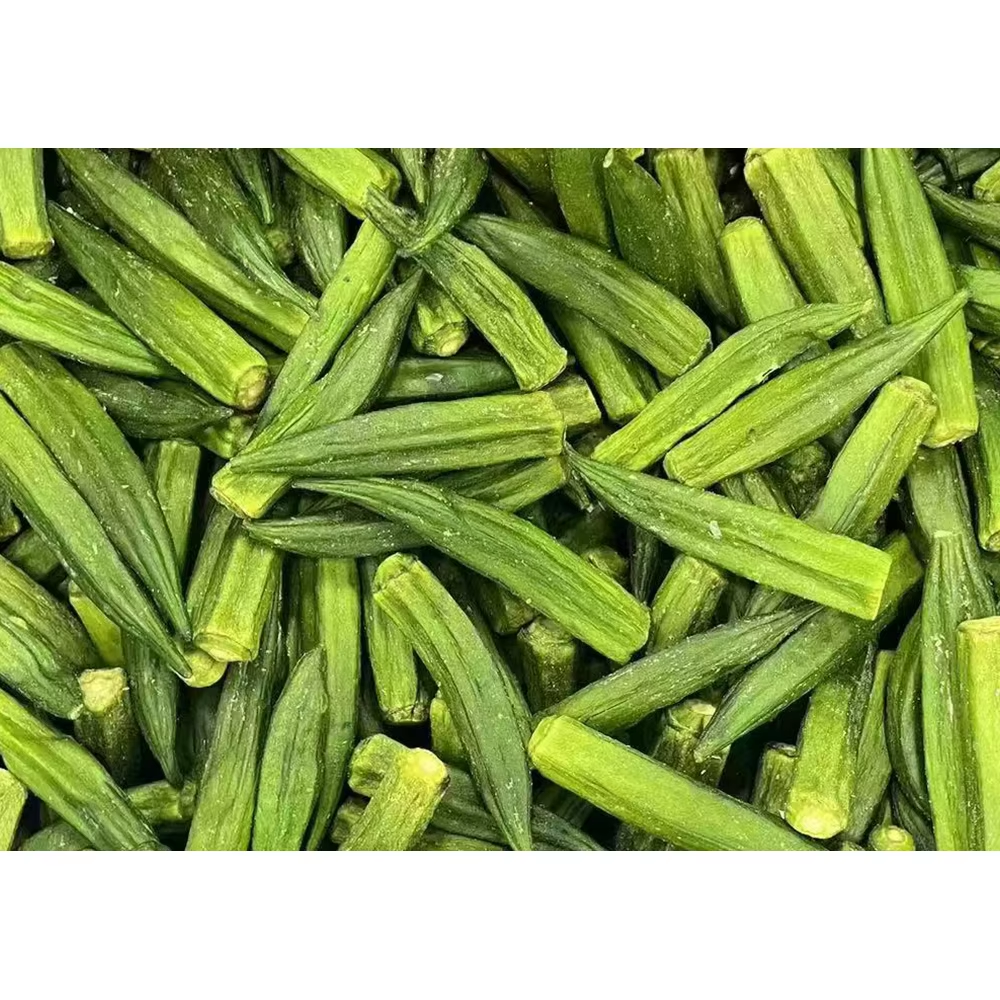
The food industry continues to evolve with increasing consumer demand for healthier snack alternatives, and vegetable crisp products have emerged as a significant market opportunity for food businesses. These innovative snacks offer a perfect balance between nutrition and taste, providing entrepreneurs and established companies with a pathway to tap into the growing health-conscious consumer segment. Understanding the comprehensive benefits of vegetable crisp can help food business owners make informed decisions about product diversification and market expansion strategies.
Market Advantages and Consumer Appeal
Growing Health-Conscious Demographics
Today's consumers are increasingly aware of the connection between diet and health, driving unprecedented demand for nutritious snack alternatives. Vegetable crisp products directly address this market need by offering familiar flavors with enhanced nutritional profiles. Food businesses can capitalize on this trend by positioning their offerings as premium health-focused alternatives to traditional fried snacks. Market research consistently shows that health-conscious consumers are willing to pay premium prices for products that align with their wellness goals.
The demographic shift toward healthier eating spans multiple age groups, from millennials seeking convenient nutrition to older consumers managing dietary restrictions. This broad appeal creates multiple market segments for vegetable crisp products, allowing businesses to develop targeted marketing strategies. Companies can leverage social media platforms and health-focused publications to reach these engaged consumer communities effectively.
Premium Positioning Opportunities
Vegetable crisp products naturally command higher profit margins compared to conventional snack foods due to their perceived value and production complexity. Food businesses can position these products in premium market segments, appealing to consumers who prioritize quality over price. The artisanal nature of vegetable crisp production allows for storytelling opportunities that resonate with consumers seeking authentic, craft-focused food experiences.
Retail partnerships become more accessible when offering products that differentiate from commodity snack items. Specialty retailers, health food stores, and gourmet markets actively seek unique products like vegetable crisp to enhance their product mix. This positioning strategy enables businesses to establish stronger relationships with retailers who value product innovation and customer satisfaction.
Operational Benefits and Production Efficiency
Extended Shelf Life Advantages
The dehydration process used in vegetable crisp production significantly extends product shelf life compared to fresh vegetables, reducing inventory management challenges and minimizing waste. Food businesses benefit from improved supply chain flexibility, allowing for bulk production runs and strategic inventory planning. Extended shelf life also facilitates broader distribution networks, enabling companies to reach markets previously inaccessible due to perishability constraints.
Reduced spoilage rates translate directly to improved profit margins and operational efficiency. Businesses can maintain consistent product availability without the constant pressure of rapid turnover associated with fresh produce. This stability allows for more predictable financial planning and reduced emergency procurement situations that often compromise profit margins.
Scalable Production Processes
Vegetable crisp manufacturing processes are highly scalable, allowing businesses to start with smaller production runs and expand capacity based on market demand. The equipment required for production can be gradually upgraded, making entry into this market segment accessible for businesses with varying capital resources. Standardized recipes and processes ensure consistent quality across different production volumes.
Automation opportunities in vegetable crisp production help businesses maintain quality consistency while managing labor costs effectively. Many production steps can be systematized, reducing dependency on specialized labor and minimizing human error potential. This scalability makes vegetable crisp an attractive option for both startup ventures and established food companies seeking diversification.
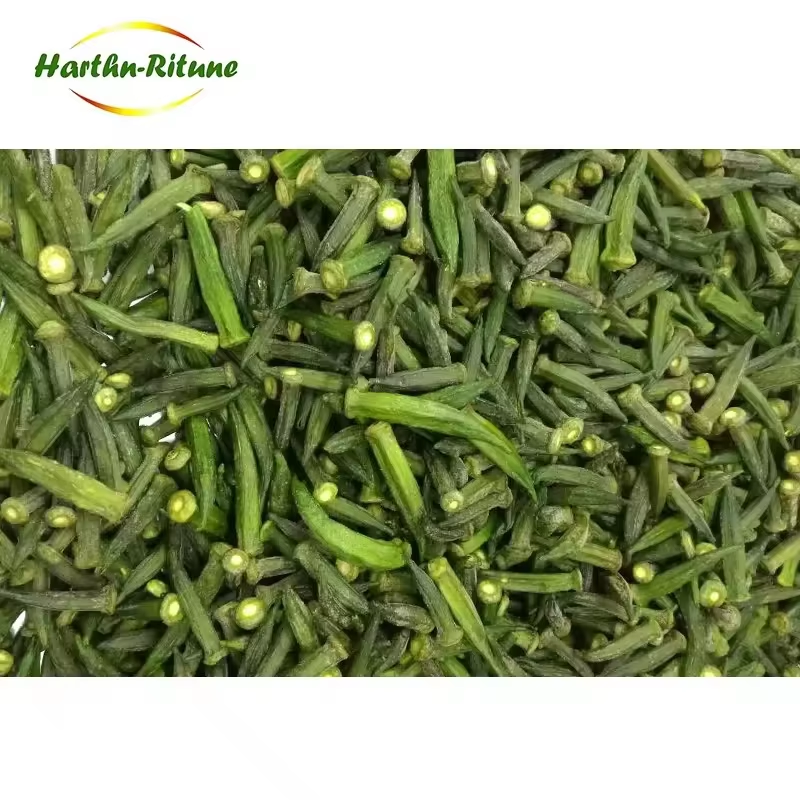
Nutritional Value and Health Benefits
Preserved Nutrient Content
Modern vegetable crisp production methods, particularly vacuum frying and freeze-drying techniques, preserve significant portions of original vegetable nutrients while creating appealing textures and flavors. This nutritional retention allows food businesses to make legitimate health claims that resonate with informed consumers. The concentration effect of dehydration actually increases nutrient density per serving compared to fresh vegetables in many cases.
Vegetables used in crisp production retain essential vitamins, minerals, and antioxidants that support various health functions. Food businesses can leverage scientific research supporting the health benefits of specific vegetables to create targeted marketing messages. This evidence-based approach builds consumer trust and justifies premium pricing strategies.
Dietary Restriction Compatibility
Vegetable crisp products naturally align with numerous dietary preferences and restrictions, including vegan, gluten-free, and paleo diets. This broad compatibility expands potential market reach without requiring separate product lines or specialized manufacturing processes. Food businesses can tap into multiple niche markets simultaneously, maximizing production efficiency while serving diverse consumer needs.
The clean ingredient profiles typical of vegetable crisp products appeal to consumers seeking transparency in food labeling. Simple, recognizable ingredient lists build consumer confidence and support premium positioning strategies. This transparency becomes increasingly important as consumers become more sophisticated in reading and understanding food labels.
Distribution and Retail Opportunities
Versatile Channel Distribution
Vegetable crisp products perform well across multiple retail channels, from traditional grocery stores to specialized health food retailers and online marketplaces. This versatility provides food businesses with multiple revenue streams and reduces dependency on single distribution channels. The shelf-stable nature of these products makes them ideal for e-commerce fulfillment, opening opportunities in the rapidly growing online food market.
Foodservice applications for vegetable crisp products continue expanding, with restaurants and catering companies incorporating them as garnishes, salad toppers, and standalone appetizers. This B2B market segment offers stable, volume-based sales opportunities that complement retail distribution strategies. Food businesses can develop specialized packaging and bulk options to serve commercial customers effectively.
Export Market Potential
The extended shelf life and lightweight nature of vegetable crisp products make them excellent candidates for export markets. International shipping costs become more manageable when dealing with shelf-stable products that maintain quality during extended transit times. Food businesses can explore global markets without the infrastructure requirements associated with fresh or frozen product distribution.
Different cultural preferences for specific vegetables create opportunities for customized export products. Food businesses can develop region-specific flavors and vegetable selections to appeal to international tastes while leveraging core production capabilities. This customization strategy enables premium positioning in foreign markets where unique, healthy snack options command high value.
FAQ
What initial investment is required to start vegetable crisp production
Initial investment requirements vary significantly based on production scale and chosen technology. Small-scale operations can begin with equipment investments ranging from $10,000 to $50,000, while commercial-scale facilities may require $200,000 to $500,000 in initial capital. Factors influencing investment levels include processing capacity, automation level, packaging equipment, and facility preparation costs. Many businesses start with contract manufacturing arrangements to minimize initial capital requirements while testing market demand.
How do vegetable crisp products compare nutritionally to traditional snacks
Vegetable crisp products typically contain significantly higher levels of vitamins, minerals, and fiber compared to traditional fried snacks. While caloric content may be similar, the nutritional density is substantially higher due to concentrated vegetable content. Most vegetable crisp products contain no artificial preservatives, colors, or flavors, making them cleaner alternatives to conventional snack foods. The absence of trans fats and reduced sodium content further enhances their nutritional profile compared to traditional options.
What are the main challenges in vegetable crisp production
Quality consistency represents the primary challenge, as natural variations in raw vegetables can affect final product characteristics. Moisture content management requires precise control to ensure proper texture and shelf life. Supply chain management for quality vegetables can be complex, particularly for businesses requiring specific varieties or organic certification. Production scheduling must account for seasonal availability of certain vegetables, requiring strategic planning and potentially alternative sourcing arrangements.
Which vegetables work best for crisp production
Root vegetables like sweet potatoes, beets, and carrots perform exceptionally well due to their natural sugar content and fiber structure. Leafy vegetables such as kale and spinach create popular products with distinct textures and flavors. Okra, green beans, and snap peas offer unique shapes and nutritional profiles that appeal to diverse consumer preferences. The key factors for successful vegetable selection include moisture content, fiber structure, natural sugars, and consumer familiarity with the base vegetable.