
 EN
EN

Export markets for frozen vegetables continue to expand globally as consumer preferences shift toward convenient, nutritious, and year-round available produce. Understanding which specific frozen vegetables command the highest demand helps exporters, processors, and agricultural businesses make informed decisions about production planning and market positioning. The international trade of frozen vegetables has grown significantly, driven by urbanization, changing lifestyles, and increased awareness of nutritional benefits.
Market analysis reveals distinct patterns in frozen vegetables demand across different export destinations, with certain varieties consistently outperforming others in terms of volume, value, and growth potential. These patterns are influenced by cultural preferences, culinary traditions, nutritional awareness, and economic factors that vary significantly between importing regions. Identifying these high-demand frozen vegetables enables strategic business decisions for companies looking to optimize their export portfolios.
Premium Frozen Vegetables Leading Export Markets
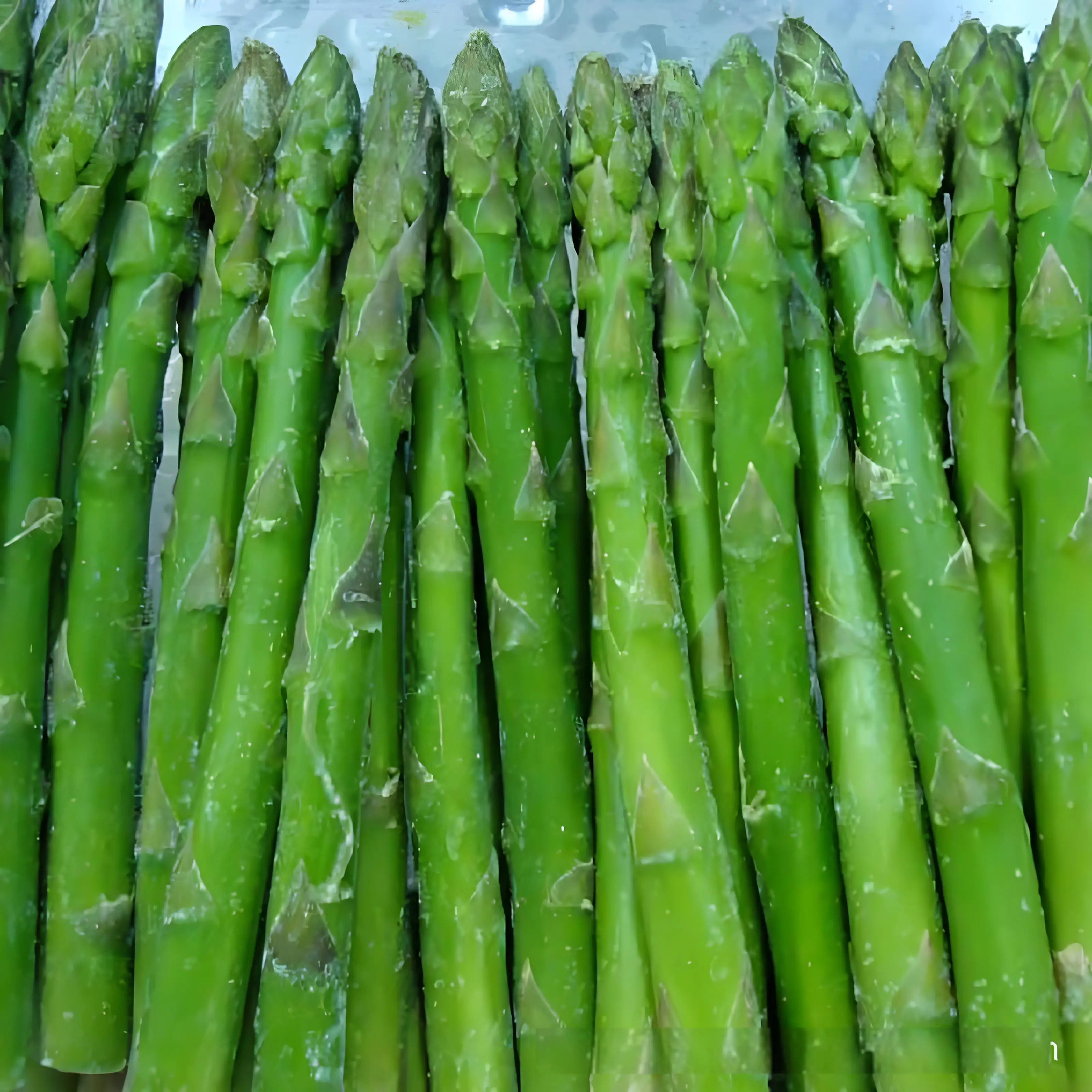
Green Asparagus and Premium Stem Vegetables
Green asparagus ranks among the most valuable frozen vegetables in export markets, particularly in North America, Europe, and high-income Asian markets. The premium positioning of frozen asparagus stems from its perceived nutritional value, culinary versatility, and association with healthy eating trends. European markets especially favor frozen asparagus spears for their convenience in gourmet cooking applications.
Broccoli florets represent another high-demand category within premium frozen vegetables, with consistent growth in export volumes to developed markets. The nutritional profile of frozen broccoli, including high vitamin C and antioxidant content, drives demand among health-conscious consumers. Processing techniques that maintain color, texture, and nutritional integrity are critical factors determining market acceptance and premium pricing for these frozen vegetables.
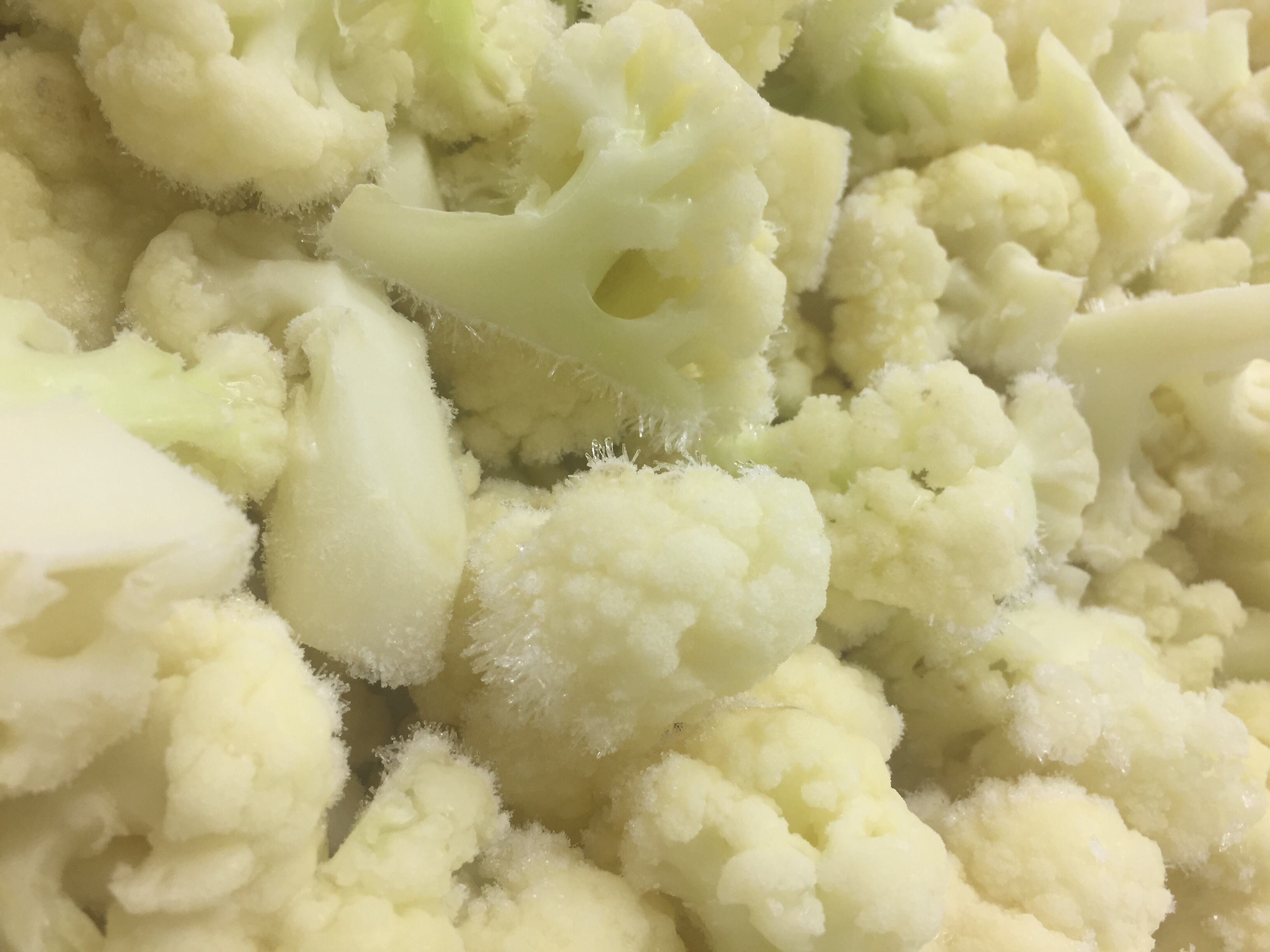
Cauliflower segments have experienced remarkable growth in export demand, particularly driven by low-carb diet trends and increased awareness of cruciferous vegetable benefits. Markets in Australia, North America, and Northern Europe show strong preference for individually quick frozen cauliflower pieces that maintain structural integrity during cooking. The versatility of frozen cauliflower in various culinary applications contributes to its sustained export market growth.
Specialty Pepper and Pod Varieties
Bell pepper strips in mixed color varieties command premium prices in export markets, with red, yellow, and orange varieties particularly sought after for their visual appeal and sweet flavor profiles. European foodservice markets demonstrate strong demand for frozen pepper medleys that provide consistent quality and portion control advantages. The convenience factor of pre-cut frozen vegetables appeals to commercial kitchen operations and busy household consumers alike.
Sugar snap peas and snow peas represent high-value frozen vegetables with strong export potential to Asian cuisine markets and Western health-conscious segments. These products require precise processing timing and temperature control to maintain their distinctive crunch and bright color. Export markets in urban centers particularly value these frozen vegetables for stir-fry applications and healthy meal preparation convenience.
Edamame beans have emerged as a rapidly growing export category, driven by increased awareness of plant-based protein sources and Japanese cuisine popularity. Premium frozen edamame commands higher prices than traditional frozen vegetables due to its protein content and perceived health benefits. Markets in North America and Europe show particularly strong growth trajectories for frozen edamame products.
Traditional Staple Frozen Vegetables in High Demand
Core Root and Tuber Vegetables
Frozen potato products, including diced potatoes, potato wedges, and specialty cuts, dominate volume-based export markets worldwide. While price points may be lower than premium frozen vegetables, the consistent demand and large volume potential make frozen potato products essential for many export operations. Processing innovations that improve texture retention and reduce oil absorption have enhanced market acceptance of frozen potato varieties.
Sweet potato segments have gained significant traction in export markets, particularly in health-focused consumer segments that value the nutritional density and natural sweetness of this vegetable. Frozen sweet potato products appeal to both traditional cooking applications and modern convenience food preparation. Export demand has grown substantially in markets where sweet potatoes are not traditionally cultivated but are increasingly appreciated for their nutritional benefits.
Carrot products in various cuts maintain steady export demand across diverse international markets, with baby carrots and precisely cut carrot sticks commanding premium pricing. The natural sweetness and vibrant color of frozen vegetables like carrots make them popular in both retail and foodservice export channels. Consistent sizing and quality standards are crucial factors for success in competitive carrot export markets.
Leafy Greens and Tender Vegetables
Spinach remains one of the most consistently demanded frozen vegetables in export markets, valued for its nutritional density, culinary versatility, and long shelf life advantages. Export markets particularly favor chopped frozen spinach for its convenience in cooking applications and space-efficient packaging. The iron content and vitamin profile of frozen spinach drive steady demand in health-conscious consumer segments worldwide.
Green bean varieties, including whole beans, cut beans, and French-cut styles, maintain strong export market positions due to their universal acceptance and cooking versatility. Different export markets show preferences for specific cut styles, with European markets often preferring whole beans while North American markets favor cut varieties. Quality standards for frozen green beans focus on color retention, texture preservation, and absence of tough fibers.
Mixed vegetable blends represent a significant segment of frozen vegetables export markets, offering convenience and variety in single packages. Popular combinations include Mediterranean blends, Asian stir-fry mixes, and seasonal vegetable medleys. These frozen vegetables products allow exporters to utilize various produce types while meeting consumer demand for meal preparation convenience and portion control.
Regional Market Preferences and Seasonal Demand Patterns
European Market Specifications
European import markets demonstrate strong preferences for organic certified frozen vegetables, with premium pricing supporting higher production costs associated with organic farming practices. Countries like Germany, Netherlands, and Scandinavian nations show particularly strong demand for organic frozen vegetables that meet strict certification standards. Export success in these markets requires comprehensive documentation of organic production processes and supply chain integrity.
Artisanal and heritage variety frozen vegetables find receptive markets in European gourmet and specialty food channels. Purple carrots, rainbow chard, and heirloom tomato varieties frozen at peak ripeness command premium prices in upscale retail and restaurant markets. These specialty frozen vegetables often require smaller production runs but offer higher profit margins for exporters who can meet quality and authenticity standards.
Sustainability credentials increasingly influence European purchasing decisions for frozen vegetables, with buyers seeking suppliers who demonstrate environmental responsibility in production and packaging. Carbon footprint considerations, renewable energy use in processing facilities, and recyclable packaging options are becoming important differentiators in European export markets. Frozen vegetables exporters who invest in sustainability initiatives often gain competitive advantages in premium market segments.
North American Market Dynamics
North American markets show strong demand for frozen vegetables that support busy lifestyle needs, with emphasis on quick-cooking varieties and microwave-friendly packaging formats. Single-serve portions and steam-in-bag technologies appeal to time-conscious consumers who prioritize convenience without sacrificing nutritional value. Export opportunities exist for innovative frozen vegetables products that address specific cooking and portion needs.
Health and wellness trends drive demand for frozen vegetables with enhanced nutritional profiles, including varieties bred for higher antioxidant content or specific vitamin concentrations. Superfood vegetables like kale, Brussels sprouts, and colorful bell peppers benefit from health-focused marketing messages that emphasize their frozen vegetables nutritional advantages. Export success often depends on supporting marketing claims with credible nutritional data and quality certifications.
Ethnic cuisine ingredients represent growing export opportunities within North American frozen vegetables markets, particularly for Asian, Latin American, and Mediterranean cooking applications. Specialized vegetables like bok choy, jalapeño peppers, and artichoke hearts find niche but profitable export markets among diverse population centers. Understanding cultural preferences and authentic preparation methods enhances market penetration for these specialty frozen vegetables.
Quality Standards and Processing Requirements for Export Success
International Certification and Compliance Standards
Export markets for frozen vegetables require compliance with multiple international food safety standards, including HACCP, BRC, and IFS certifications that demonstrate systematic quality management throughout production processes. These certifications provide confidence to international buyers and often serve as minimum requirements for market entry. Investment in proper certification processes enables access to premium frozen vegetables export channels that offer higher prices and longer-term contracts.
Traceability systems that track frozen vegetables from field to final packaging are increasingly required by export markets, particularly in developed countries with strict food safety regulations. Complete documentation of growing conditions, harvest dates, processing parameters, and storage conditions provides transparency that buyers value. Advanced traceability capabilities can differentiate frozen vegetables suppliers in competitive export markets and support premium positioning strategies.
Residue testing and contamination screening requirements vary significantly between export destinations, requiring frozen vegetables processors to understand specific market regulations and adapt their quality control programs accordingly. Some markets require testing for specific pesticide residues, heavy metals, or microbiological contaminants that may not be standard in domestic market requirements. Compliance with the most stringent export market standards often enables broader market access for frozen vegetables products.
Processing Technology and Quality Preservation
Individual Quick Freezing technology represents the gold standard for premium frozen vegetables export markets, preserving cellular structure and nutritional content more effectively than traditional freezing methods. IQF processing prevents the formation of large ice crystals that damage vegetable tissues and result in mushy texture upon thawing. Export markets increasingly specify IQF processing requirements, particularly for high-value frozen vegetables destined for foodservice applications.
Blanching optimization plays a crucial role in maintaining color, texture, and nutritional value of frozen vegetables throughout extended storage and transportation periods required for export markets. Precise control of blanching time and temperature ensures enzyme inactivation while preserving desirable characteristics that consumers expect. Different frozen vegetables require specific blanching parameters, and export success often depends on mastering these technical details for each product variety.
Packaging innovations that extend shelf life and maintain quality during long-distance transportation are essential for frozen vegetables export success. Barrier films that prevent moisture migration, oxygen exposure, and temperature fluctuations help preserve product quality throughout complex export supply chains. Investment in advanced packaging technologies often justifies itself through reduced product losses and enhanced market acceptance of frozen vegetables in distant export destinations.
FAQ
What factors determine which frozen vegetables have the highest export demand?
Export demand for frozen vegetables is determined by multiple factors including nutritional value perception, culinary versatility, cultural preferences in target markets, shelf life advantages, and processing quality standards. Premium vegetables like asparagus and broccoli command high demand due to health benefits and gourmet applications, while staple varieties like potatoes and carrots maintain demand through volume and universal acceptance. Market trends such as organic certification, convenience packaging, and superfood status also significantly influence export demand patterns.
How do regional preferences affect frozen vegetables export opportunities?
Regional preferences create distinct export opportunities based on cultural cuisines, health trends, and economic factors. European markets favor organic certified and artisanal frozen vegetables with sustainability credentials, while North American markets emphasize convenience and health-focused varieties. Asian markets show strong demand for traditional vegetables used in regional cuisines, such as edamame and specialty peppers. Understanding these regional preferences allows exporters to tailor their frozen vegetables offerings and marketing strategies for specific target markets.
What quality standards are most important for frozen vegetables export success?
Critical quality standards for frozen vegetables exports include international food safety certifications like HACCP and BRC, complete traceability systems, residue testing compliance, and advanced processing technologies such as Individual Quick Freezing. Color retention, texture preservation, and nutritional integrity are essential quality attributes that determine market acceptance. Packaging innovations that maintain quality during transportation and storage also play crucial roles in export success, particularly for premium frozen vegetables destined for distant markets.
Which processing techniques best preserve frozen vegetables quality for export markets?
Individual Quick Freezing represents the most effective processing technique for preserving frozen vegetables quality in export markets, maintaining cellular structure and preventing texture degradation. Optimized blanching processes that precisely control time and temperature ensure proper enzyme inactivation while preserving color and nutritional content. Advanced packaging with barrier films protects frozen vegetables during extended transportation periods, while proper cold chain management throughout the export supply chain maintains product integrity from processing facility to end consumer.
Table of Contents
- Premium Frozen Vegetables Leading Export Markets
- Traditional Staple Frozen Vegetables in High Demand
- Regional Market Preferences and Seasonal Demand Patterns
- Quality Standards and Processing Requirements for Export Success
-
FAQ
- What factors determine which frozen vegetables have the highest export demand?
- How do regional preferences affect frozen vegetables export opportunities?
- What quality standards are most important for frozen vegetables export success?
- Which processing techniques best preserve frozen vegetables quality for export markets?