
 EN
EN

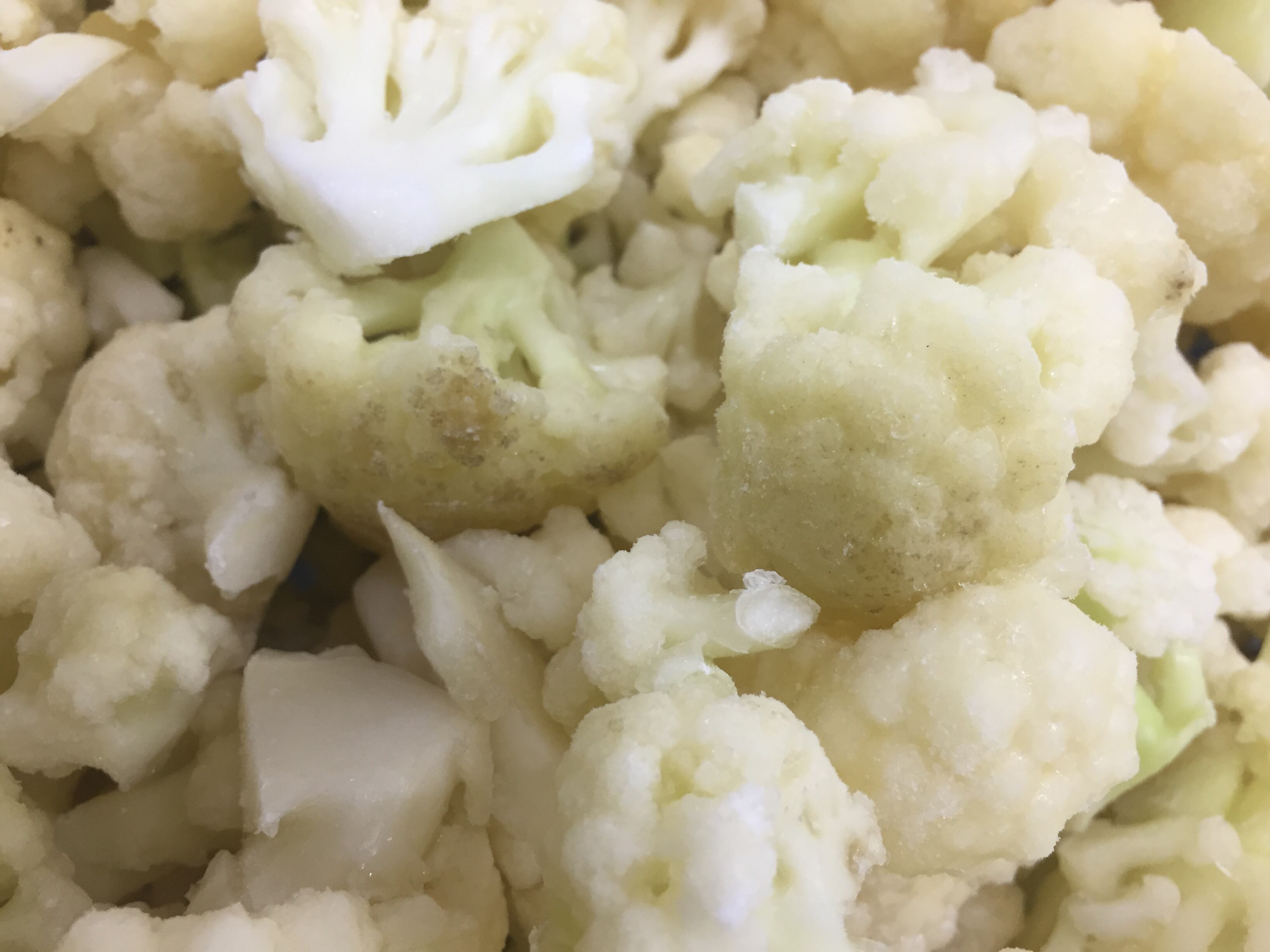
Food manufacturing requires unwavering consistency to meet consumer expectations and regulatory standards. While fresh produce offers vibrant appeal, its seasonal variability and quality fluctuations create significant challenges for large-scale production operations. Frozen vegetables have emerged as the backbone of industrial food processing, delivering the standardization that modern food factories demand to maintain product integrity across global supply chains.

The transformation of fresh produce into frozen vegetables involves sophisticated processing technologies that lock in nutritional value while eliminating the unpredictability associated with seasonal harvests. This controlled approach enables food manufacturers to forecast production schedules, manage inventory efficiently, and deliver uniform products regardless of external agricultural conditions. Understanding how frozen vegetables achieve this consistency reveals why they have become indispensable for industrial food production.
Controlled Processing Standards Eliminate Natural Variation
Individual Quick Freezing Technology Preserves Uniformity
Individual Quick Freezing (IQF) technology represents the gold standard for transforming fresh produce into frozen vegetables with consistent characteristics. This process rapidly freezes each piece individually at temperatures reaching minus 40 degrees Celsius, preventing the formation of large ice crystals that could damage cellular structure. The rapid freezing occurs within minutes, maintaining the original texture, color, and nutritional profile across every batch.
Unlike traditional freezing methods that create variability through uneven cooling, IQF ensures uniform freezing throughout the entire production run. Each piece of frozen vegetables receives identical treatment, eliminating the quality differences that plague fresh produce due to varying ripeness, size, and handling conditions. This standardization allows food manufacturers to predict exactly how frozen vegetables will perform in their recipes and processing equipment.
The controlled environment of IQF processing removes external variables such as weather conditions, soil quality, and harvesting timing that typically affect fresh produce quality. Processing facilities maintain strict temperature and humidity controls, ensuring that frozen vegetables meet predetermined specifications for moisture content, texture, and appearance. This level of control is impossible to achieve with fresh vegetables, where natural variation is inherent.
Standardized Grading and Sizing Systems
Industrial freezing operations implement rigorous grading systems that categorize vegetables by size, color, and quality before processing. This pre-freezing classification ensures that frozen vegetables within each grade maintain consistent characteristics throughout the manufacturing process. Advanced optical sorting technology identifies and removes any pieces that deviate from established standards, creating homogeneous batches for industrial use.
The sizing standardization particularly benefits food manufacturers who rely on predictable cooking times and uniform heat distribution. When all pieces of frozen vegetables within a batch share similar dimensions, processing equipment can apply consistent temperature and timing parameters without adjusting for size variations. This uniformity translates directly into consistent end-product quality and reduced manufacturing complexity.
Quality control protocols during the grading phase establish specific parameters for color intensity, firmness, and surface characteristics. These standards ensure that frozen vegetables meet predetermined visual and textural requirements, eliminating the subjective quality assessment that often accompanies fresh produce procurement. Food factories can specify exact quality grades and receive frozen vegetables that match those specifications consistently across multiple shipments.
Extended Shelf Life Provides Supply Chain Stability
Reduced Spoilage Risk Ensures Predictable Inventory
Fresh vegetables typically maintain peak quality for days or weeks under optimal storage conditions, creating constant pressure for rapid utilization and frequent reordering. Frozen vegetables extend this timeframe to months or even years, dramatically reducing spoilage-related losses and enabling more strategic inventory management. This extended shelf life allows food manufacturers to maintain consistent production schedules without the urgency associated with perishable ingredients.
The stability of frozen vegetables eliminates the quality degradation that occurs with fresh produce during transport and storage. While fresh vegetables may lose firmness, develop discoloration, or suffer moisture loss during distribution, frozen vegetables maintain their processed characteristics until thawed for use. This reliability ensures that the quality of ingredients remains constant from the time of procurement through final product manufacturing.
Inventory planning becomes significantly more manageable with frozen vegetables, as manufacturers can stockpile ingredients during periods of favorable pricing or supply availability. The absence of spoilage concerns allows for bulk purchasing strategies that smooth out seasonal price fluctuations and supply disruptions. This strategic flexibility contributes to more consistent production costs and improved profitability for food manufacturing operations.
Year-Round Availability Eliminates Seasonal Constraints
Seasonal growing cycles create natural peaks and valleys in fresh vegetable availability, forcing food manufacturers to either accept quality variations or reformulate products based on seasonal supply. Frozen vegetables break this cycle by preserving peak-season quality and making it available throughout the year. Vegetables harvested at optimal maturity can be processed and stored, ensuring consistent quality regardless of current growing conditions.
The global sourcing capabilities enabled by frozen vegetables further enhance supply stability. Manufacturers can source frozen vegetables from regions where specific varieties grow best, then rely on freezing technology to preserve that quality during international shipping. This geographic diversification reduces dependence on local weather patterns and agricultural conditions that might affect regional fresh produce quality.
Production scheduling becomes more predictable when seasonal constraints are removed from the equation. Food factories can commit to consistent product availability and pricing without worrying about ingredient shortages or quality fluctuations during off-seasons. This reliability enables better customer relationships and more accurate business planning for both manufacturers and their retail partners.
Standardized Nutritional Profiles Support Formulation Consistency
Controlled Processing Preserves Nutrient Density
The rapid freezing process used for frozen vegetables occurs shortly after harvest when nutrient levels are at their peak, effectively locking in vitamins, minerals, and other beneficial compounds. Unlike fresh vegetables that may lose nutritional value during transport and storage, frozen vegetables maintain consistent nutrient profiles from processing through consumption. This stability allows food manufacturers to make accurate nutritional claims and meet regulatory labeling requirements with confidence.
Blanching processes typically applied before freezing serve dual purposes of enzyme inactivation and nutrient standardization. This controlled heat treatment eliminates enzyme activity that could cause quality degradation while establishing consistent baseline nutritional characteristics. The result is frozen vegetables with predictable nutrient content that food manufacturers can rely upon for nutritional calculations and product formulations.
Quality control testing of frozen vegetables can establish precise nutritional profiles for each batch, enabling food manufacturers to adjust formulations with scientific accuracy. This level of nutritional predictability is difficult to achieve with fresh vegetables, where nutrient content can vary significantly based on growing conditions, harvest timing, and post-harvest handling. Frozen vegetables provide the nutritional consistency necessary for precise product development and regulatory compliance.
Consistent Moisture Content Enhances Processing Reliability
Moisture content variations in fresh vegetables can significantly impact cooking times, texture development, and final product characteristics in industrial food processing. Frozen vegetables undergo moisture standardization during processing, resulting in consistent water content that enables predictable behavior during thawing and cooking. This uniformity allows manufacturers to establish standard operating procedures that deliver consistent results across production runs.
The controlled freezing process removes excess surface moisture while maintaining cellular integrity, creating frozen vegetables with optimal moisture levels for industrial applications. This standardization eliminates the need for additional moisture adjustment steps that might be required with fresh vegetables of varying water content. Processing efficiency improves when manufacturers can rely on consistent ingredient characteristics.
Texture development during cooking becomes more predictable when frozen vegetables have standardized moisture content. Food manufacturers can establish precise cooking parameters that achieve desired firmness and mouthfeel consistently, regardless of seasonal variations that might affect fresh vegetable moisture levels. This reliability is particularly important for products where texture plays a critical role in consumer acceptance.
Quality Control Integration Enables Traceability and Compliance
Batch Documentation Supports Regulatory Requirements
Frozen vegetable processing facilities implement comprehensive documentation systems that track each batch from raw material receipt through final packaging. This traceability enables food manufacturers to maintain detailed records of ingredient sources, processing parameters, and quality test results for regulatory compliance and quality assurance purposes. The systematic approach to quality control with frozen vegetables contrasts sharply with the often fragmented documentation available for fresh produce.
Testing protocols for frozen vegetables typically include microbiological analysis, pesticide residue screening, and nutritional verification at multiple stages of processing. These standardized testing procedures generate consistent data that food manufacturers can use to verify ingredient quality and support their own quality management systems. The documented quality history of frozen vegetables provides confidence in ingredient safety and consistency.
Recall procedures become more manageable with the detailed documentation accompanying frozen vegetables, as specific batches can be identified and tracked through distribution channels. This traceability capability supports food safety initiatives and demonstrates due diligence in ingredient sourcing and quality control. The systematic approach to quality management with frozen vegetables aligns well with modern food safety regulations and industry best practices.
Standardized Testing Protocols Ensure Consistent Quality Metrics
Processing facilities for frozen vegetables employ standardized testing methodologies that generate consistent quality data across different production runs and time periods. These established protocols enable meaningful comparison of quality metrics and identification of trends that might indicate process improvements or potential issues. Food manufacturers benefit from this systematic approach to quality measurement when selecting and monitoring ingredient suppliers.
The controlled processing environment for frozen vegetables allows for more accurate and repeatable quality testing compared to fresh produce, where natural variation can mask process-related quality changes. Testing parameters such as texture analysis, color measurement, and sensory evaluation can be conducted under standardized conditions that eliminate external variables. This consistency in testing enables more reliable quality assurance and supplier evaluation.
Certificate of analysis documentation for frozen vegetables typically provides comprehensive quality data that food manufacturers can integrate into their incoming ingredient inspection programs. This detailed quality information supports risk-based decision making and enables proactive quality management rather than reactive problem solving. The predictable quality characteristics of frozen vegetables facilitate more efficient quality control processes and reduce the need for extensive incoming inspection procedures.
FAQ
Do frozen vegetables maintain the same nutritional value as fresh vegetables?
Frozen vegetables often retain higher nutritional levels than fresh vegetables that have been stored for extended periods. The rapid freezing process preserves nutrients at their peak levels, while fresh vegetables may lose vitamins and minerals during transport and storage. Studies have shown that frozen vegetables can contain comparable or even higher levels of certain nutrients compared to fresh vegetables that are several days old.
How long can food manufacturers store frozen vegetables while maintaining quality?
Properly stored frozen vegetables can maintain their quality for 8-12 months or longer when kept at consistent temperatures below -18°C (0°F). The stable frozen state prevents bacterial growth and enzyme activity that cause quality degradation in fresh vegetables. This extended shelf life allows food manufacturers to maintain consistent inventory levels and reduce waste from spoilage.
What processing standards ensure consistent quality in frozen vegetables?
Quality consistency in frozen vegetables is achieved through standardized processing protocols including controlled washing, blanching, Individual Quick Freezing (IQF), and packaging under strict temperature and hygiene conditions. These processes are typically certified under food safety standards such as HACCP, BRC, or SQF, ensuring that quality parameters remain consistent across production batches and facility locations.
Can frozen vegetables replace fresh vegetables in all industrial food applications?
Frozen vegetables are suitable for most industrial food applications, particularly those involving cooking, processing, or extended shelf life requirements. However, applications requiring the crisp texture and visual appeal of fresh vegetables, such as fresh salads or garnishes, may still require fresh produce. The choice depends on the specific product requirements, processing methods, and desired final characteristics of the manufactured food product.
Table of Contents
- Controlled Processing Standards Eliminate Natural Variation
- Extended Shelf Life Provides Supply Chain Stability
- Standardized Nutritional Profiles Support Formulation Consistency
- Quality Control Integration Enables Traceability and Compliance
-
FAQ
- Do frozen vegetables maintain the same nutritional value as fresh vegetables?
- How long can food manufacturers store frozen vegetables while maintaining quality?
- What processing standards ensure consistent quality in frozen vegetables?
- Can frozen vegetables replace fresh vegetables in all industrial food applications?