
 EN
EN

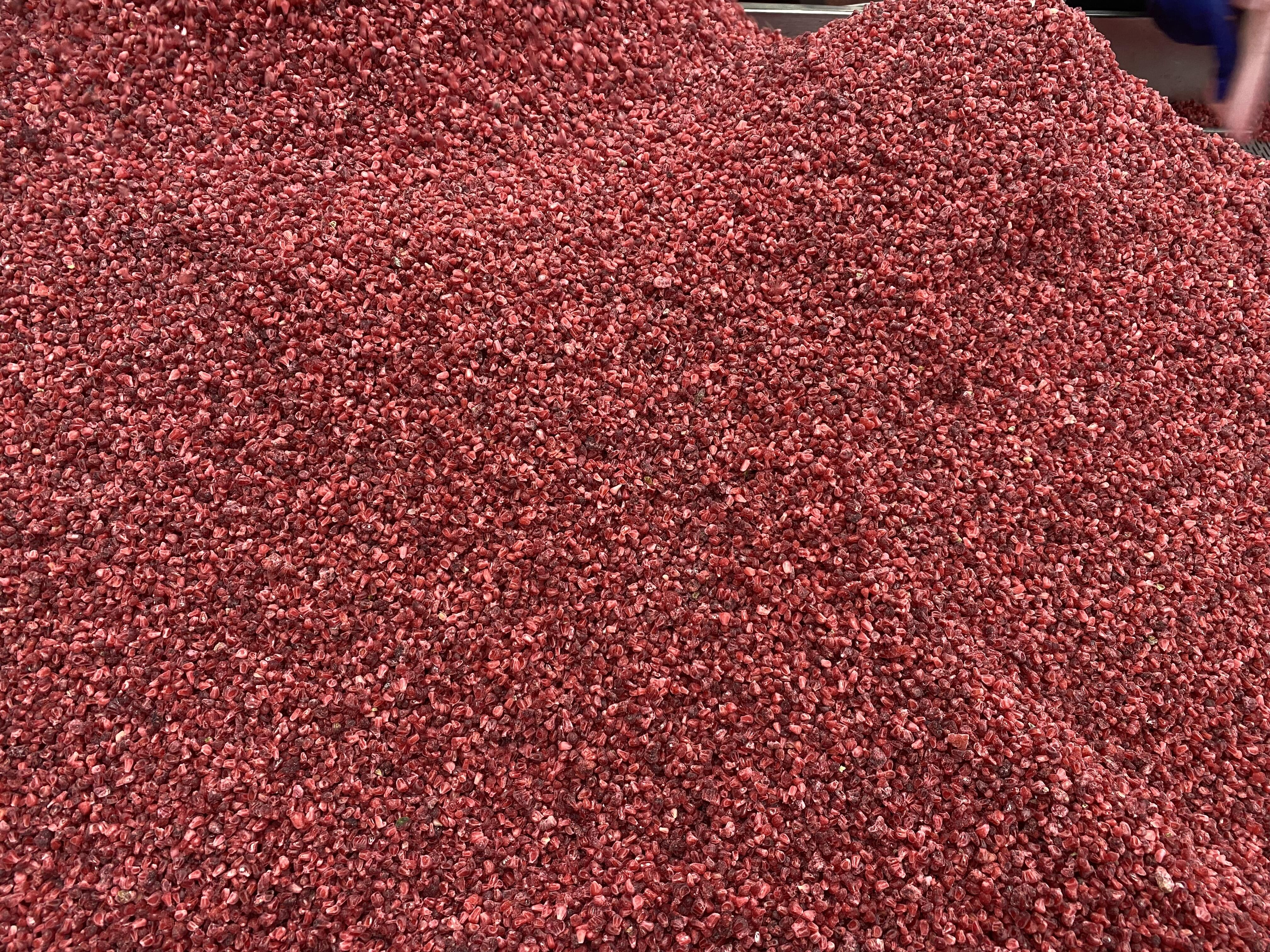
When evaluating cost-effective procurement strategies for food service operations, manufacturers, and retail chains, selecting the right frozen fruits can significantly impact both budget allocations and product quality outcomes. The global frozen fruit market has experienced substantial growth, driven by increasing demand for convenient, nutritious ingredients that maintain extended shelf life while delivering consistent flavor profiles. Understanding which frozen fruits offer optimal value propositions requires careful analysis of seasonal pricing fluctuations, supply chain logistics, nutritional retention rates, and versatile application potential across diverse culinary applications.

Professional buyers recognize that frozen fruits represent one of the most stable commodity categories in food procurement, offering predictable pricing structures throughout the year regardless of seasonal harvest variations. Unlike fresh produce markets where price volatility can create significant budget challenges, frozen fruit suppliers maintain more consistent wholesale rates, enabling better financial planning and inventory management. The freezing process itself preserves peak nutritional content while extending usability periods from days to months, creating substantial value through reduced waste and improved operational efficiency.
Cost Analysis of Premium Frozen Fruit Categories
Berry Varieties and Market Positioning
Berry categories consistently demonstrate exceptional value in bulk procurement scenarios, with strawberries, blueberries, and blackberries leading market demand across food service applications. These frozen fruits command premium positioning due to their versatility in dessert preparation, breakfast applications, smoothie formulations, and bakery ingredient integration. Market analysis indicates that berry procurement costs remain relatively stable compared to tropical alternatives, primarily due to established North American and European growing regions that supply consistent volumes to processing facilities.
Blackberries specifically present compelling value propositions for bulk buyers, offering intense flavor concentrations that perform exceptionally well in manufacturing environments. When sourcing frozen fruits like blackberries in large quantities, procurement professionals benefit from economies of scale that reduce per-unit costs while ensuring consistent product specifications. The robust cellular structure of blackberries maintains integrity throughout freezing and thawing cycles, making them ideal for applications requiring structural stability.
Stone Fruit Economics
Stone fruits including peaches, apricots, and cherries represent another category where frozen variants offer significant procurement advantages over fresh alternatives. These frozen fruits eliminate the challenges associated with highly perishable fresh stone fruits, which require rapid processing and consumption to avoid quality degradation. Frozen stone fruit processing occurs at peak ripeness, capturing optimal sugar content and flavor development that might be compromised in fresh fruit supply chains focused on transportation durability rather than taste optimization.
Cherry varieties particularly demonstrate strong value retention in frozen form, with tart cherries commanding premium prices due to their concentrated antioxidant profiles and specialized growing requirements. The processing techniques used for frozen fruits in this category preserve the natural tartness that makes cherries valuable for both culinary and nutritional applications. Bulk procurement of frozen stone fruits typically offers 20-30% cost savings compared to equivalent fresh volumes during off-season periods.
Supply Chain Advantages in Frozen Fruit Procurement
Inventory Management Benefits
Frozen fruits provide unprecedented flexibility in inventory management systems, allowing procurement teams to maintain consistent supply levels without the pressure of immediate utilization that fresh produce demands. This extended shelf life capability enables bulk purchasing during favorable market conditions, creating opportunities for significant cost reductions through strategic timing and volume commitments. Storage requirements for frozen fruits remain consistent regardless of seasonal temperature variations, unlike fresh produce that requires careful climate control and rapid turnover protocols.
The standardized packaging formats available for frozen fruits facilitate efficient warehouse operations and simplified inventory tracking systems. Most suppliers offer bulk packaging options ranging from 10-kilogram cases to larger industrial containers, allowing buyers to select formats that optimize both storage efficiency and usage patterns. These packaging innovations reduce handling costs while maintaining product quality throughout the distribution chain.
Quality Consistency Factors
Unlike fresh fruit markets where quality can vary significantly between shipments due to harvesting conditions, transportation delays, and storage variables, frozen fruits maintain remarkable consistency in appearance, texture, and flavor characteristics. This reliability proves particularly valuable for food manufacturers requiring predictable ingredient specifications for production planning and quality control procedures. The Individual Quick Frozen (IQF) processing method used for premium frozen fruits ensures individual pieces remain separate and maintain their original shape and nutritional profile.
Temperature-controlled processing facilities can optimize the freezing timeline to preserve cellular structure, resulting in frozen fruits that closely replicate fresh texture characteristics when properly thawed. This quality consistency eliminates the variability often encountered with seasonal fresh fruit procurement, where weather conditions and harvest timing can significantly impact product characteristics and pricing structures.
Nutritional Value Retention in Processing
Vitamin and Mineral Preservation
Research consistently demonstrates that properly processed frozen fruits retain comparable and sometimes superior nutritional profiles compared to fresh alternatives that have undergone extended transportation and storage periods. The rapid freezing process used in commercial frozen fruit production occurs within hours of harvesting, capturing peak vitamin C, antioxidant, and mineral concentrations that may diminish in fresh fruits during distribution cycles. This nutritional stability adds considerable value to frozen fruit procurement decisions, particularly for applications where health benefits represent key selling points.
Frozen fruits maintain their fiber content and natural sugar compositions without requiring preservatives or artificial additives that might be necessary for extended fresh fruit storage. The cellular damage that occurs during freezing actually enhances the bioavailability of certain antioxidants, making frozen berries particularly valuable for nutritional applications. This enhanced bioavailability means that frozen fruits can deliver superior nutritional density compared to fresh alternatives that have experienced vitamin degradation during transport and storage.
Antioxidant Stability
The antioxidant compounds responsible for the vibrant colors and health benefits of frozen fruits remain remarkably stable throughout the freezing and storage process. Studies indicate that anthocyanins in frozen berries actually become more concentrated due to moisture reduction during processing, creating products with enhanced antioxidant activity compared to their fresh counterparts. This concentration effect represents additional value for buyers focused on nutritional density and functional food applications.
Temperature stability requirements for frozen fruits ensure that antioxidant degradation remains minimal throughout the supply chain, provided proper cold storage protocols are maintained. Unlike fresh fruits where antioxidant levels decrease progressively from harvest through consumption, frozen fruits maintain consistent antioxidant profiles that enable accurate nutritional labeling and reliable health benefit claims for end products.
Application Versatility and Market Demand
Food Service Integration
The versatility of frozen fruits across diverse food service applications creates substantial procurement value through reduced inventory complexity and improved menu flexibility. Restaurant chains, institutional food services, and catering operations benefit from the ability to maintain consistent fruit availability regardless of seasonal constraints, enabling year-round menu offerings that would be economically unfeasible with fresh-only procurement strategies. Frozen fruits perform exceptionally well in cooked applications where texture changes become advantageous rather than problematic.
Smoothie operations particularly benefit from frozen fruit procurement, as the frozen state eliminates the need for additional ice while providing the thick, creamy texture that consumers expect. The concentrated flavors achieved through proper frozen fruit processing create more intense taste profiles in blended applications, allowing operators to achieve desired flavor intensity with smaller quantities compared to fresh alternatives. This efficiency translates directly into improved profit margins and reduced ingredient costs per serving.
Manufacturing Applications
Food manufacturers increasingly rely on frozen fruits for consistent ingredient specifications that support automated production processes and quality control requirements. The uniform sizing and moisture content of properly processed frozen fruits enable precise recipe formulations and predictable baking outcomes that are essential for large-scale production environments. Frozen fruits integrate seamlessly into manufacturing workflows without requiring the sorting, washing, and preparation steps necessary for fresh fruit processing.
Bakery applications particularly benefit from frozen fruit characteristics, as the lower moisture content reduces the risk of dough texture problems while maintaining fruit integrity throughout mixing and baking processes. The ability to incorporate frozen fruits directly into production lines without thawing saves labor costs and reduces contamination risks associated with handling procedures required for fresh fruit preparation.
Seasonal Price Optimization Strategies
Market Timing Considerations
Strategic procurement timing for frozen fruits can yield significant cost advantages through understanding seasonal production cycles and market dynamics. While frozen fruits maintain more price stability than fresh alternatives, subtle seasonal variations still create opportunities for optimized purchasing decisions. Late summer and early fall typically represent optimal procurement periods when processing facilities operate at peak capacity and inventory levels support competitive pricing structures.
Forward contracting arrangements with frozen fruit suppliers enable buyers to secure favorable pricing for extended delivery periods, protecting against potential market fluctuations while ensuring supply continuity. These contractual arrangements often include volume commitments that justify preferential pricing tiers and priority allocation during periods of supply constraint. Professional procurement teams recognize that frozen fruits offer more predictable pricing patterns that support accurate budgeting and financial planning compared to volatile fresh fruit markets.
Volume Purchasing Benefits
Bulk frozen fruit procurement creates opportunities for substantial per-unit cost reductions through volume pricing tiers offered by suppliers and processing facilities. Large-volume commitments often qualify buyers for direct-from-processor pricing that eliminates distributor markups and reduces overall supply chain costs. The extended shelf life of frozen fruits makes large-volume purchases practical and economically advantageous, unlike fresh fruits where volume purchases may result in waste due to perishability constraints.
Cooperative purchasing arrangements among multiple buyers can achieve volume thresholds that individual operations cannot reach independently, creating shared cost benefits while maintaining operational independence. These collaborative approaches work particularly well for frozen fruits where standardized specifications and packaging formats facilitate shared procurement strategies without compromising individual quality requirements or delivery scheduling needs.
FAQ
What factors determine the best value in frozen fruit procurement?
The best value in frozen fruit procurement depends on several key factors including consistent quality specifications, competitive pricing structures, reliable supply chain performance, and versatile application potential. Buyers should evaluate nutritional retention rates, processing methods, packaging efficiency, and supplier stability when making procurement decisions. Cost-per-serving calculations that account for yield rates, waste reduction, and labor savings often reveal that premium frozen fruits provide superior value compared to lower-priced alternatives with higher waste rates or inconsistent quality.
How do frozen fruits compare to fresh alternatives in terms of total cost of ownership?
Frozen fruits typically demonstrate lower total cost of ownership compared to fresh alternatives when accounting for waste reduction, labor savings, inventory flexibility, and consistent availability. While unit costs may appear higher initially, frozen fruits eliminate losses due to spoilage, reduce preparation labor requirements, and provide year-round pricing stability that fresh markets cannot match. The extended shelf life enables bulk purchasing strategies that achieve significant volume discounts while reducing procurement frequency and associated administrative costs.
Which frozen fruit categories offer the most stable pricing for long-term contracts?
Berry categories including strawberries, blueberries, and blackberries typically offer the most stable pricing for long-term procurement contracts due to established growing regions and mature processing infrastructure. Stone fruits like peaches and cherries also provide relatively stable pricing, particularly when sourced through direct processor relationships. Tropical frozen fruits may experience more price volatility due to weather-dependent growing conditions and international supply chain variables that can impact contract stability.
What storage and handling considerations affect frozen fruit procurement value?
Proper storage and handling protocols are essential for maximizing frozen fruit procurement value, requiring consistent temperature maintenance at -18°C or below throughout the supply chain. Adequate freezer capacity, efficient inventory rotation systems, and proper thawing procedures directly impact product quality and waste rates. Buyers should evaluate their cold storage capabilities and handling procedures to ensure that frozen fruit investments deliver expected returns through maintained quality and minimized losses during storage and utilization phases.
Table of Contents
- Cost Analysis of Premium Frozen Fruit Categories
- Supply Chain Advantages in Frozen Fruit Procurement
- Nutritional Value Retention in Processing
- Application Versatility and Market Demand
- Seasonal Price Optimization Strategies
-
FAQ
- What factors determine the best value in frozen fruit procurement?
- How do frozen fruits compare to fresh alternatives in terms of total cost of ownership?
- Which frozen fruit categories offer the most stable pricing for long-term contracts?
- What storage and handling considerations affect frozen fruit procurement value?