
 EN
EN

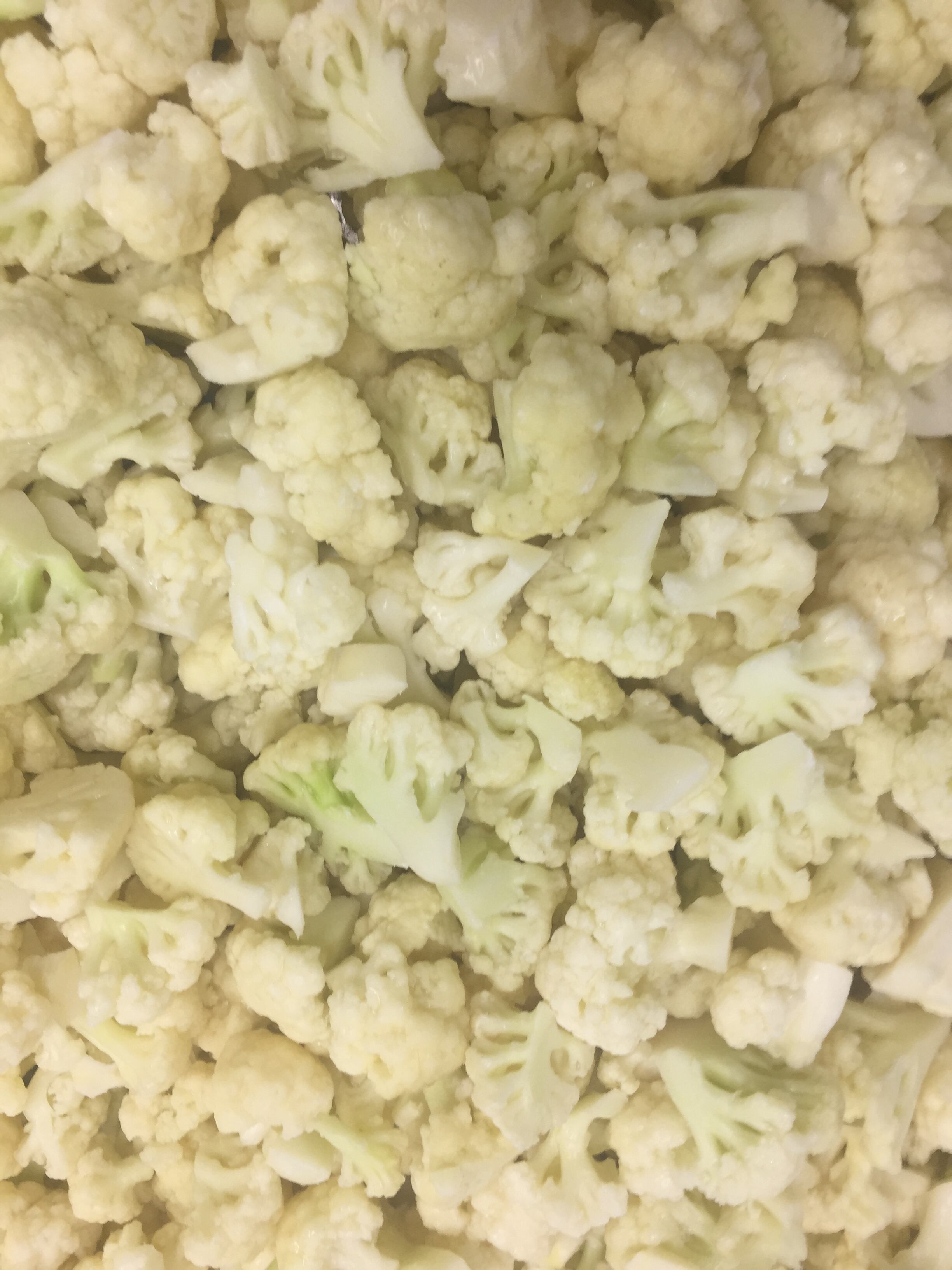
The global market for frozen fruits has experienced remarkable growth over the past decade, driven by increasing demand from international buyers seeking high-quality, convenient food solutions. As consumer preferences shift toward healthier eating habits and year-round availability of seasonal produce, frozen fruits have become an essential commodity in international trade. Understanding which frozen fruits options dominate the global marketplace provides valuable insights for suppliers, distributors, and procurement professionals navigating this dynamic industry.

Leading Frozen Fruits Categories in International Markets
Berry Varieties Dominating Global Trade
Berry varieties represent the largest segment within the international frozen fruits market, accounting for approximately 40% of global trade volume. Strawberries consistently rank as the most popular frozen fruit among international buyers, followed closely by blueberries and raspberries. These berries maintain their nutritional value exceptionally well during the freezing process, making them attractive to health-conscious consumers worldwide. The versatility of frozen berries in food manufacturing, from smoothie production to bakery applications, ensures steady demand across multiple industries.
Blackberries have gained significant traction in recent years, particularly among European and North American buyers. The antioxidant-rich profile of blackberries appeals to manufacturers of functional foods and dietary supplements. Processing facilities specializing in frozen fruits have invested heavily in advanced IQF technology to preserve the delicate structure and flavor of these premium berries. Mixed berry blends also command strong market positions, offering buyers cost-effective solutions for diverse product formulations.
Tropical and Exotic Frozen Fruits Selections
Tropical frozen fruits have witnessed exponential growth in international markets, driven by increasing consumer interest in exotic flavors and nutritional diversity. Mango chunks and puree dominate this category, with major importing regions including Europe, North America, and Asia-Pacific. The natural sweetness and vibrant color of frozen mango make it ideal for beverage applications, dessert manufacturing, and retail packaging. Pineapple follows as the second most popular tropical frozen fruit, valued for its enzyme content and distinctive flavor profile.
Passion fruit, dragon fruit, and açaí represent emerging opportunities within the tropical frozen fruits segment. These exotic varieties command premium prices due to their perceived health benefits and unique sensory characteristics. International buyers increasingly seek these specialty frozen fruits to differentiate their product offerings and cater to adventurous consumers. The processing and logistics challenges associated with these delicate fruits require sophisticated supply chain management and quality control systems.
Regional Preferences and Market Dynamics
European Market Preferences for Frozen Fruits
European buyers demonstrate strong preferences for organic and sustainably sourced frozen fruits, reflecting the region's emphasis on environmental consciousness and food safety standards. Nordic berries, including lingonberries and cloudberries, maintain significant market share within European frozen fruits trade. These regional specialties often command higher prices due to their limited growing seasons and perceived authenticity. German and French food manufacturers represent the largest volume buyers of frozen fruits in Europe, utilizing these ingredients across diverse applications from confectionery to dairy products.
The European Union's stringent quality standards and traceability requirements have shaped supplier selection criteria for frozen fruits imports. Buyers prioritize suppliers with comprehensive quality certifications, including HACCP, BRC, and organic certifications. This focus on quality has led to premium pricing for compliant frozen fruits products but ensures consistent market demand. Seasonal consumption patterns in Europe create predictable demand cycles, with peak requirements occurring during winter months when fresh alternatives become scarce or expensive.
North American and Asian Market Trends
North American buyers exhibit strong preferences for conventional frozen fruits varieties, with strawberries, blueberries, and mixed berry blends representing core purchasing categories. The foodservice industry drives substantial demand for bulk frozen fruits packaging, particularly in restaurant chains and institutional catering operations. Smoothie bar franchises and juice manufacturers constitute rapidly growing customer segments for frozen fruits suppliers targeting North American markets.
Asian markets present unique opportunities and challenges for international frozen fruits trade. Japanese buyers demonstrate willingness to pay premium prices for superior quality frozen fruits, particularly those meeting specific size and appearance standards. Chinese market demand has grown exponentially, driven by expanding middle-class consumer base and increasing health awareness. Korean and Thai food manufacturers increasingly incorporate frozen fruits into traditional and fusion product developments, creating new market niches for specialized varieties.
Quality Standards and Processing Technologies
IQF Technology and Its Impact on Frozen Fruits Quality
Individual Quick Freezing technology has revolutionized the frozen fruits industry by preserving texture, flavor, and nutritional content more effectively than traditional freezing methods. International buyers increasingly specify IQF processing requirements to ensure optimal product quality and extended shelf life. This technology prevents ice crystal formation within fruit cells, maintaining structural integrity and reducing quality degradation during storage and transportation. Premium frozen fruits suppliers invest significantly in state-of-the-art IQF equipment to meet these demanding specifications.
The temperature control precision required for effective IQF processing demands sophisticated monitoring systems and trained personnel. Buyers often conduct facility audits to verify processing capabilities and quality control procedures before establishing long-term supply relationships. The energy costs associated with IQF processing contribute to higher product pricing, but international buyers recognize the value proposition of superior quality frozen fruits. Continuous innovation in freezing technology continues to improve efficiency and reduce environmental impact of frozen fruits production.
Packaging and Storage Considerations
Packaging innovations have significantly influenced international buyer preferences for frozen fruits products. Multi-layer barrier films prevent moisture migration and oxidation, extending product shelf life and maintaining sensory qualities during global distribution. Bulk packaging formats, including 10kg and 20kg cases, appeal to industrial buyers seeking cost-effective solutions for high-volume applications. Consumer retail packaging requires different considerations, with portion control and convenience driving design specifications.
Cold chain integrity remains critical for maintaining frozen fruits quality throughout international transportation. Buyers evaluate supplier capabilities for temperature-controlled logistics and documentation systems that ensure product safety and regulatory compliance. Advanced packaging materials incorporating oxygen scavengers and moisture control technologies command premium prices but deliver superior product performance. The environmental impact of packaging materials increasingly influences buyer decisions, with sustainable alternatives gaining market acceptance despite higher costs.
Supply Chain and Sourcing Strategies
Geographic Sourcing Patterns for Frozen Fruits
International sourcing of frozen fruits follows seasonal production cycles and cost optimization strategies. Southern Hemisphere suppliers, including Chile, Argentina, and South Africa, provide counter-seasonal availability for Northern Hemisphere buyers. This geographic diversity ensures year-round supply continuity and price stability for frozen fruits purchasers. Turkey and Poland have emerged as significant suppliers of frozen berries to European markets, leveraging favorable growing conditions and proximity to major consumption centers.
Asian suppliers, particularly China and Thailand, dominate the tropical frozen fruits segment through competitive pricing and large-scale production capabilities. Quality variability among different geographic sources requires careful supplier evaluation and ongoing quality monitoring programs. International buyers often develop multi-source strategies to mitigate supply risks and maintain competitive pricing for their frozen fruits requirements. Climate change impacts on traditional growing regions are driving exploration of alternative sourcing locations and agricultural practices.
Risk Management and Quality Assurance
Effective risk management strategies for frozen fruits procurement encompass multiple dimensions, including quality consistency, supply continuity, and price volatility. International buyers implement supplier qualification programs that evaluate production capabilities, quality systems, and financial stability. Regular third-party audits and product testing ensure ongoing compliance with specifications and regulatory requirements. Diversified supplier bases reduce dependency risks while maintaining competitive sourcing options.
Quality assurance protocols for frozen fruits include microbiological testing, pesticide residue analysis, and sensory evaluation procedures. Buyers establish clear specifications for color, size, defect tolerances, and packaging requirements to ensure consistent product quality. Traceability systems enable rapid response to quality issues and regulatory inquiries. The implementation of blockchain technology in frozen fruits supply chains promises enhanced transparency and accountability for all stakeholders.
Market Outlook and Future Trends
Emerging Opportunities in Frozen Fruits Markets
The future landscape of international frozen fruits trade will be shaped by evolving consumer preferences, technological innovations, and sustainability considerations. Plant-based food trends continue to drive demand for frozen fruits as natural ingredients in alternative protein products and functional beverages. Superfruit varieties with demonstrated health benefits represent high-growth opportunities for suppliers and buyers willing to invest in market development. Convenience-focused product formats, including pre-portioned packages and ready-to-blend combinations, cater to time-conscious consumers worldwide.
E-commerce expansion creates new distribution channels for frozen fruits, particularly in markets with developing cold chain infrastructure. Direct-to-consumer sales models enable premium pricing for specialty frozen fruits while building brand loyalty and customer relationships. International buyers must adapt their strategies to accommodate these evolving distribution patterns and customer expectations. Innovation in packaging and preservation technologies will continue to expand the range of frozen fruits varieties available in international markets.
Sustainability and Environmental Considerations
Environmental sustainability has become a critical factor in international frozen fruits procurement decisions. Buyers increasingly evaluate suppliers based on carbon footprint reduction initiatives, water conservation practices, and renewable energy adoption. Organic certification demand continues to grow across all major markets, despite premium pricing requirements. Sustainable packaging solutions, including compostable materials and reduced plastic content, influence buyer preferences and supply chain design decisions.
Climate-smart agriculture practices ensure long-term viability of frozen fruits production while meeting environmental stewardship expectations. International buyers support suppliers implementing regenerative farming techniques and biodiversity conservation measures. The integration of sustainability metrics into supplier evaluation processes reflects changing stakeholder expectations and regulatory requirements. Future success in frozen fruits markets will depend on balancing economic performance with environmental responsibility and social impact considerations.
FAQ
What factors determine the popularity of specific frozen fruits among international buyers
The popularity of frozen fruits among international buyers depends on several key factors including nutritional value, versatility in applications, cost-effectiveness, and seasonal availability. Berries like strawberries and blueberries rank highly due to their antioxidant content, extensive use in food manufacturing, and consumer recognition. Processing quality, particularly IQF technology implementation, significantly influences buyer preferences as it affects final product quality and shelf life.
How do quality standards vary between different international markets for frozen fruits
Quality standards for frozen fruits vary significantly across international markets, with European buyers typically requiring the highest certification levels including organic and sustainability credentials. North American markets focus on food safety standards and consistent supply reliability, while Asian markets often emphasize specific size and appearance criteria. All major markets require comprehensive traceability systems and third-party quality certifications for imported frozen fruits.
Which processing methods provide the best quality for frozen fruits in international trade
Individual Quick Freezing technology provides superior quality preservation for frozen fruits compared to traditional freezing methods. IQF processing maintains cellular structure, prevents clumping, and preserves nutritional content more effectively. This technology requires higher initial investment but delivers premium product quality that commands better pricing in international markets. Proper cold chain management throughout distribution is equally important for maintaining frozen fruits quality.
What are the main challenges in sourcing frozen fruits for international markets
The primary challenges in international frozen fruits sourcing include maintaining consistent quality across different suppliers, managing seasonal availability variations, and ensuring regulatory compliance across multiple markets. Currency fluctuations and transportation costs significantly impact pricing strategies. Climate change effects on traditional growing regions create supply uncertainty, requiring diversified sourcing strategies and long-term supplier relationship development for sustainable frozen fruits procurement.
Table of Contents
- Leading Frozen Fruits Categories in International Markets
- Regional Preferences and Market Dynamics
- Quality Standards and Processing Technologies
- Supply Chain and Sourcing Strategies
- Market Outlook and Future Trends
-
FAQ
- What factors determine the popularity of specific frozen fruits among international buyers
- How do quality standards vary between different international markets for frozen fruits
- Which processing methods provide the best quality for frozen fruits in international trade
- What are the main challenges in sourcing frozen fruits for international markets