
 EN
EN

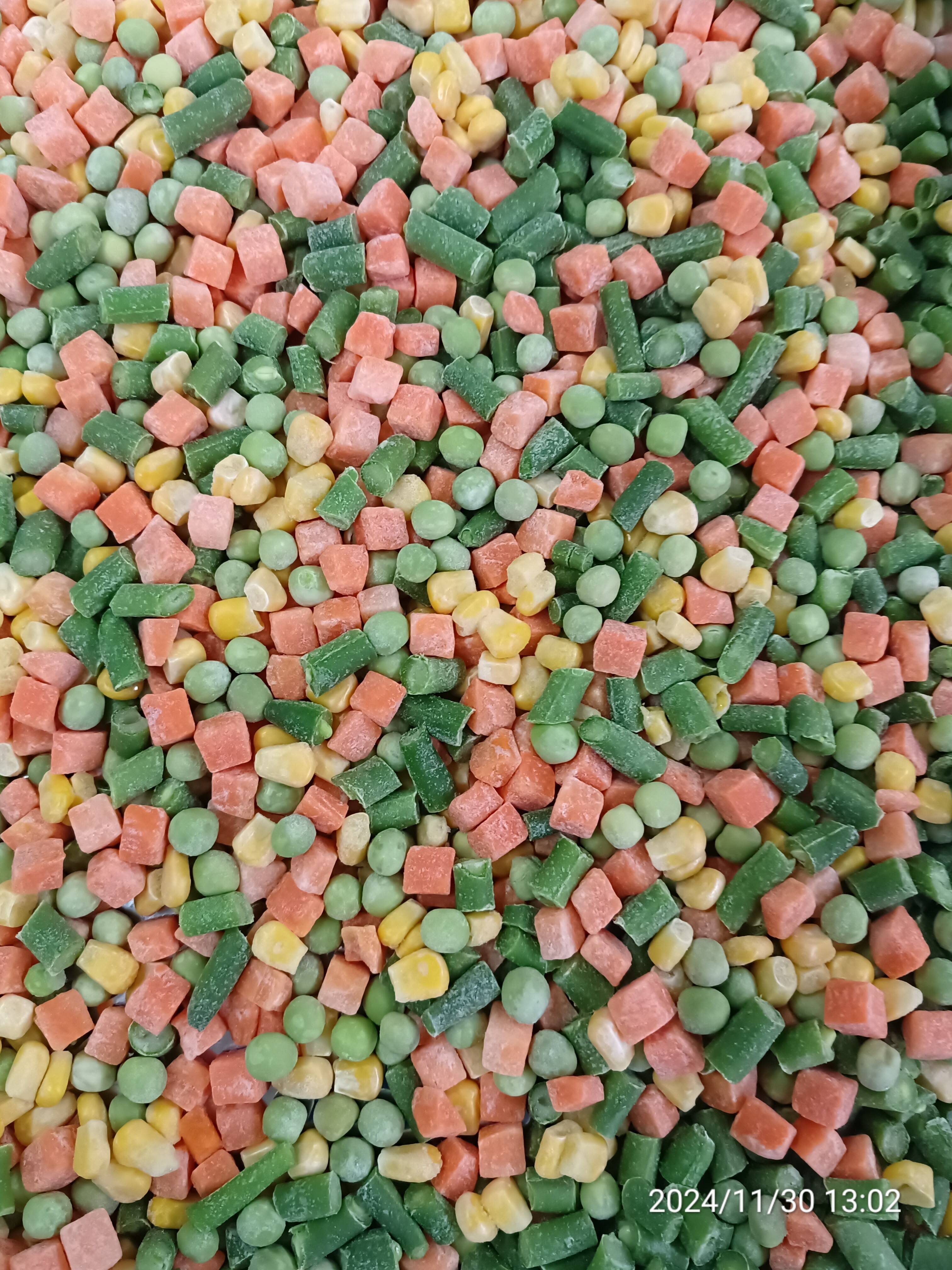
The food industry has witnessed a remarkable transformation in recent years, with frozen fruits emerging as a cornerstone ingredient across numerous sectors. From large-scale commercial bakeries to artisanal smoothie bars, frozen fruits have revolutionized how manufacturers approach product development, inventory management, and quality consistency. This comprehensive exploration examines the diverse applications, benefits, and strategic advantages that frozen fruits bring to modern food production, highlighting why industry leaders increasingly rely on these versatile ingredients to meet consumer demands for nutrition, convenience, and year-round availability.

Commercial Bakery and Confectionery Applications
Industrial Scale Baking Operations
Commercial bakeries represent one of the largest consumers of frozen fruits in the food industry, utilizing these ingredients to maintain consistent product quality while managing seasonal price fluctuations. Large-scale operations benefit significantly from frozen fruits because they eliminate the unpredictability associated with fresh produce sourcing. Industrial bakers incorporate frozen fruits into bread, muffins, pastries, and specialty items, ensuring uniform distribution and preventing moisture-related issues that can compromise product integrity.
The standardization aspect of frozen fruits proves invaluable for commercial bakeries that require precise recipe formulations and consistent nutritional profiles. Unlike fresh alternatives, frozen fruits maintain stable sugar content, acidity levels, and texture characteristics throughout the year. This reliability enables bakeries to guarantee product specifications to retailers and consumers, building brand trust and reducing quality-related complaints that can impact business relationships.
Specialty Desserts and Premium Products
High-end confectionery manufacturers leverage frozen fruits to create sophisticated dessert offerings that command premium pricing in competitive markets. Frozen berries, tropical fruits, and stone fruits provide the foundation for elegant tarts, gourmet ice creams, and artisanal chocolates that require consistent flavor profiles and visual appeal. The controlled processing environment for frozen fruits ensures optimal color retention and structural integrity, crucial factors for products where appearance significantly influences consumer purchasing decisions.
Premium dessert applications often demand specific fruit varieties that may not be locally available or seasonally accessible. Frozen fruits bridge this gap by providing access to exotic varieties and ensuring consistent supply chains for specialty products. Manufacturers can develop innovative flavor combinations and maintain competitive advantages through unique product formulations that would be impossible with seasonal fresh ingredients alone.
Beverage Industry Integration
Smoothie and Juice Manufacturing
The rapidly expanding smoothie and cold-pressed juice market heavily depends on frozen fruits to deliver consistent nutritional content and flavor profiles year-round. Commercial smoothie operations utilize frozen fruits as primary ingredients because they eliminate seasonal variations in taste, color, and nutritional density that can affect product quality. The convenience factor cannot be overstated, as frozen fruits require no washing, peeling, or chopping, significantly reducing labor costs and preparation time in high-volume production environments.
Frozen fruits also provide natural thickness and temperature control for smoothie production, eliminating the need for additional ice that can dilute flavors and compromise nutritional concentration. This characteristic enables manufacturers to create premium products with higher fruit content and superior taste experiences. The extended shelf life of frozen fruits allows beverage companies to maintain consistent inventory levels without the waste associated with perishable fresh ingredients.
Alcoholic Beverage Production
Craft breweries, wineries, and distilleries increasingly incorporate frozen fruits into their production processes to create unique flavor profiles and seasonal offerings. Frozen fruits provide consistent sugar content and fermentable materials essential for predictable alcohol production outcomes. The controlled processing environment ensures that frozen fruits maintain optimal enzymatic activity while minimizing unwanted bacteria or wild yeast contamination that can affect fermentation quality.
The convenience of frozen fruits allows beverage producers to experiment with exotic flavor combinations without geographic or seasonal limitations. Tropical frozen fruits enable northern breweries to create authentic fruit beers, while frozen berries provide consistent tannin structures for fruit wines. This accessibility to diverse fruit varieties has democratized specialty beverage production, enabling smaller producers to compete with larger operations through innovative product development.
Restaurant and Foodservice Operations
Chain Restaurant Standardization
Major restaurant chains rely extensively on frozen fruits to ensure menu consistency across multiple locations while managing food costs and inventory complexity. Frozen fruits enable standardized portion control and predictable food costs, crucial factors for maintaining profit margins in competitive foodservice environments. The extended storage capabilities of frozen fruits reduce waste and allow restaurants to offer fruit-based menu items without the logistical challenges associated with fresh produce distribution networks.
Chain restaurants utilize frozen fruits in desserts, breakfast items, sauces, and beverage preparations where consistency takes precedence over the premium appeal of fresh ingredients. The ability to maintain identical taste profiles across thousands of locations builds brand recognition and customer loyalty. Frozen fruits also enable menu items that would be impossible with fresh ingredients due to seasonal availability or regional distribution limitations.
Healthcare and Institutional Feeding
Hospitals, schools, and senior care facilities represent significant consumers of frozen fruits due to their nutritional requirements, budget constraints, and food safety considerations. Frozen fruits provide essential vitamins and minerals while meeting strict dietary guidelines established for vulnerable populations. The controlled processing environment and extended shelf life of frozen fruits align with institutional food safety protocols and reduce the risk of foodborne illnesses associated with fresh produce handling.
Institutional kitchens benefit from the labor efficiency that frozen fruits provide, as they require minimal preparation while delivering consistent nutritional content. The ability to serve seasonal fruits year-round supports dietary variety and nutritional goals, particularly important for long-term care residents who may have limited food options. Cost predictability and reduced waste make frozen fruits essential for institutions operating within fixed budgets while maintaining nutritional standards.
Manufacturing and Processing Advantages
Supply Chain Optimization
Frozen fruits provide significant supply chain advantages that enable food manufacturers to optimize inventory management and reduce operational risks. The extended shelf life eliminates the pressure of immediate processing required with fresh fruits, allowing manufacturers to maintain buffer inventory and respond to sudden demand fluctuations. This flexibility proves particularly valuable during peak seasons or unexpected market disruptions that can affect fresh produce availability.
The standardized packaging and storage requirements for frozen fruits simplify logistics operations and reduce handling complexity throughout the supply chain. Manufacturers can negotiate better pricing through volume commitments and strategic purchasing, leveraging the storage stability of frozen fruits to capitalize on seasonal price variations. The reduced risk of spoilage during transportation enables sourcing from distant suppliers, expanding ingredient options and competitive advantages.
Quality Control and Consistency
Manufacturing operations demand consistent ingredient specifications to maintain product quality and meet regulatory requirements. Frozen fruits undergo controlled processing that standardizes moisture content, sugar levels, and physical characteristics, eliminating the variability inherent in fresh produce. This consistency enables precise recipe formulations and predictable production outcomes, reducing quality control costs and product recalls that can damage brand reputation.
The processing controls applied to frozen fruits often exceed the quality standards achievable with fresh ingredients, particularly regarding pesticide residues, microbial contamination, and physical defects. Manufacturers can rely on detailed specifications and certificates of analysis that provide comprehensive quality documentation for regulatory compliance and customer requirements. This documentation trail supports traceability requirements and facilitates problem resolution when quality issues arise.
Nutritional and Health Applications
Functional Food Development
The growing functional food market leverages frozen fruits as key ingredients for products targeting specific health benefits and nutritional goals. Frozen fruits retain high levels of antioxidants, vitamins, and phytonutrients that support functional food formulations designed for immune support, heart health, and anti-aging applications. The consistent nutritional profiles of frozen fruits enable manufacturers to make reliable health claims and meet labeling requirements for functional products.
Research-backed frozen fruits provide the foundation for evidence-based product development in the nutraceutical and functional food sectors. The standardized processing methods preserve bioactive compounds that might be lost through extended storage or handling of fresh alternatives. This nutritional reliability supports clinical studies and regulatory submissions required for health claim substantiation, enabling manufacturers to differentiate products in competitive wellness markets.
Sports Nutrition and Performance Foods
Sports nutrition manufacturers utilize frozen fruits to create performance-oriented products that deliver precise carbohydrate profiles, electrolyte content, and antioxidant support for athletic applications. The consistent sugar content and glycemic response of frozen fruits enable formulations designed for specific performance phases, from pre-workout energy to post-exercise recovery. Professional sports teams and fitness facilities rely on frozen fruit-based products for their predictable nutritional delivery and convenience factors.
The natural fruit sugars in frozen products provide sustained energy release compared to refined alternatives, supporting endurance performance and reducing energy crashes associated with processed sugars. Frozen fruits also contribute natural electrolytes and anti-inflammatory compounds that support recovery and adaptation from intense training. These performance benefits, combined with clean label appeal, make frozen fruits essential ingredients for premium sports nutrition products targeting serious athletes and fitness enthusiasts.
FAQ
How do frozen fruits maintain nutritional value compared to fresh alternatives
Frozen fruits often retain superior nutritional content compared to fresh fruits that have been stored or transported for extended periods. The flash-freezing process occurs at peak ripeness, locking in vitamins, minerals, and antioxidants that can deteriorate in fresh fruits during storage and distribution. Studies consistently demonstrate that frozen fruits maintain vitamin C, folate, and antioxidant levels that equal or exceed those found in fresh fruits after typical retail storage periods.
What are the main cost advantages of using frozen fruits in commercial food production
Frozen fruits provide significant cost savings through reduced waste, predictable pricing, and lower labor requirements compared to fresh alternatives. The extended shelf life eliminates spoilage costs while enabling bulk purchasing at optimal price points. Labor savings result from eliminating washing, peeling, and preparation steps, while consistent availability prevents production disruptions that can increase operational costs. These factors combine to reduce total ingredient costs by 20-40% in typical commercial applications.
How do frozen fruits impact food safety protocols in commercial kitchens
Frozen fruits enhance food safety through controlled processing environments that eliminate many contamination risks associated with fresh produce handling. The freezing process reduces bacterial loads while the controlled supply chain minimizes exposure to environmental contaminants. Commercial kitchens benefit from simplified HACCP protocols and reduced cross-contamination risks, as frozen fruits require minimal handling and preparation compared to fresh alternatives.
What storage and handling considerations are essential for maintaining frozen fruit quality
Proper frozen fruit storage requires consistent temperatures at or below -18°C to maintain quality and prevent degradation. Rotation protocols ensure older inventory usage while preventing freezer burn through proper packaging and air exposure control. Thawing procedures must follow food safety guidelines to prevent bacterial growth, while portion control systems minimize waste and maintain product integrity throughout the handling process.
Table of Contents
- Commercial Bakery and Confectionery Applications
- Beverage Industry Integration
- Restaurant and Foodservice Operations
- Manufacturing and Processing Advantages
- Nutritional and Health Applications
-
FAQ
- How do frozen fruits maintain nutritional value compared to fresh alternatives
- What are the main cost advantages of using frozen fruits in commercial food production
- How do frozen fruits impact food safety protocols in commercial kitchens
- What storage and handling considerations are essential for maintaining frozen fruit quality