
 EN
EN

The global demand for frozen cooked foods has been increasing steadily as food manufacturers, distributors, retailers, and food service operators search for convenient and reliable food solutions. Changes in consumer lifestyles, the expansion of international food trade, and the growth of ready-to-eat meal demand have made frozen cooked foods an important category in global export markets.
For international buyers, understanding which frozen cooked foods are bestsellers is essential for developing competitive product portfolios and improving sourcing strategies. Products with stable quality, long shelf life, convenient preparation, and flexible applications are becoming increasingly popular among wholesalers, importers, and commercial food operators.
In export markets, bestselling frozen cooked foods include frozen seafood products, ready meals, cooked meat products, frozen vegetables, and various convenience foods. These products are widely used in supermarkets, restaurants, catering businesses, and food processing industries.
Why Frozen Cooked Foods Are Growing in Global Export Markets
Increasing Demand for Convenient Food Solutions
The rising popularity of frozen cooked foods is closely related to the global demand for convenient and time-saving food options. Consumers increasingly prefer products that require less preparation while maintaining consistent taste and quality. This trend has encouraged retailers and food service companies to expand their frozen food categories.
For commercial buyers, frozen cooked foods provide significant advantages in daily operations. Restaurants, hotels, and catering companies can reduce labor costs and improve kitchen efficiency by using ready-to-cook or ready-to-serve frozen products. Compared with fresh food, frozen cooked foods also provide longer storage periods and better inventory control, making them suitable for international transportation and distribution.
As global food supply chains become more complex, many importers are seeking experienced frozen food suppliers that can provide stable production capacity, reliable quality control, and consistent delivery.
Expansion of Food Service and Retail Markets
The growth of restaurants, hotels, catering businesses, and retail supermarkets has created strong demand for frozen cooked foods worldwide. Food service operators often choose frozen products because they can maintain standardized menus while reducing preparation time.
Retail markets also contribute to the increasing demand for frozen cooked foods. Supermarkets and convenience stores continue to expand frozen food sections to meet consumer expectations for quick and convenient meal solutions.
For food exporters and manufacturers, these market changes create new opportunities to supply frozen cooked products to different regions and establish long-term partnerships with international buyers.
Bestselling Frozen Cooked Foods in Export Markets
Frozen Cooked Seafood Products
Frozen cooked seafood products are among the most popular categories in international food exports. Products such as cooked shrimp, seafood mixes, cooked crab meat, and other processed seafood items are widely purchased by restaurants, supermarkets, and food processing companies.
The popularity of frozen cooked seafood is mainly driven by convenience, consistent quality, and strong consumer demand. Commercial kitchens can reduce preparation time while maintaining stable product performance, which makes these products attractive for food service applications.
When sourcing frozen cooked seafood, buyers usually pay attention to product quality, processing standards, freezing technology, and supplier reliability. Manufacturers with advanced production facilities and strict food safety management systems are more competitive in global markets.
Frozen Ready Meals and Prepared Foods
Frozen ready meals are one of the fastest-growing segments within the frozen cooked foods market. These products provide convenient meal solutions for consumers and businesses that need efficient food preparation options.
Frozen ready meals include products such as prepared rice dishes, pasta meals, cooked dishes with sauces, and ready-to-heat food products. These items are increasingly popular among supermarkets, convenience stores, and food service operators because they offer convenience without requiring complex preparation processes.
For international buyers, supplier capabilities such as product customization, OEM services, packaging flexibility, and stable production capacity are important factors when selecting frozen food manufacturers.
Frozen Cooked Meat Products
Frozen cooked meat products have strong demand in export markets due to their wide range of applications and operational advantages. Restaurants, catering companies, and food manufacturers often purchase these products to improve efficiency and maintain consistent product quality.
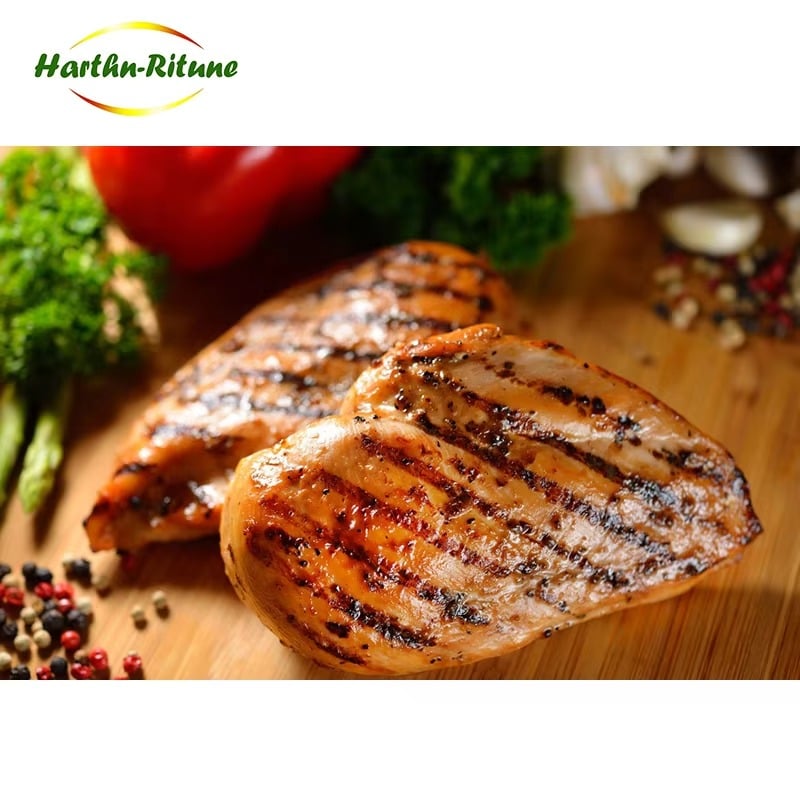
Common frozen cooked meat products include cooked chicken, prepared beef products, meatballs, and other processed meat items. These products allow commercial kitchens to reduce preparation time while providing standardized flavors and portions.
When selecting frozen cooked meat suppliers, buyers usually evaluate production experience, quality control procedures, export capability, and the ability to meet specific market requirements.
Frozen Cooked Vegetables
Frozen cooked vegetables are another important category in global frozen food exports. Products such as frozen corn, peas, mixed vegetables, and prepared vegetable blends are widely used by restaurants, food manufacturers, and ready meal producers.
The demand for frozen cooked vegetables continues to grow because they provide stable supply, convenient preparation, and reduced food waste. Food manufacturers often use these products as ingredients for soups, sauces, frozen meals, and other processed food applications.
Suppliers with reliable agricultural sourcing, advanced freezing processes, and consistent product quality can better meet the needs of international buyers.
Frozen Dumplings and Convenience Foods
Frozen dumplings and other convenience foods have gained popularity in many international markets due to the increasing global interest in diverse food options.
Products such as frozen dumplings, spring rolls, stuffed foods, and frozen snacks are widely distributed through supermarkets, restaurants, and specialty food stores. These products are especially attractive to buyers looking to introduce convenient meal solutions to overseas consumers.
International buyers often prefer suppliers that can provide stable production capacity, customized packaging solutions, and consistent product standards to support long-term business growth.
Factors Influencing Frozen Cooked Foods Export Demand
Product Quality and Food Safety Standards
Product quality and food safety are critical factors affecting the success of frozen cooked foods in international markets. Importers and distributors usually evaluate suppliers based on raw material quality, production standards, hygiene management, and product inspection procedures.
A professional frozen food manufacturer should maintain strict quality control throughout the production process to ensure product safety and consistency. Meeting food safety requirements not only helps suppliers enter different export markets but also strengthens customer trust and long-term cooperation.
Cold Chain Management and Packaging Requirements
Cold chain management plays an essential role in maintaining the quality of frozen cooked foods during international transportation. Since frozen products require strict temperature control, suppliers must have reliable storage and logistics systems.
Packaging also affects product performance during export transportation. Proper packaging helps protect products from damage, maintain freshness, and improve storage efficiency. Frozen food exporters with strong cold chain capabilities can provide more reliable solutions for overseas buyers.
Customization and OEM Production Capability
Many international buyers prefer working with suppliers that offer customized production services. OEM and private label solutions allow importers, distributors, and retailers to develop products according to their specific market requirements.
Customization options may include product specifications, packaging formats, recipes, and branding solutions. Frozen food manufacturers with flexible production capabilities can better support buyers who want to expand their product categories and respond to changing consumer preferences.
How to Choose a Reliable Frozen Cooked Foods Supplier
Production Capacity and Manufacturing Experience
A reliable frozen cooked foods supplier should have sufficient production capacity and manufacturing experience to support large-volume international orders. Stable production processes help suppliers maintain consistent quality and delivery schedules.
Experienced manufacturers usually have better knowledge of export requirements, product standards, and customer expectations, making them more suitable partners for long-term cooperation.
Export Qualification and Market Compliance
Export experience is an important factor when choosing a frozen food supplier. International buyers need suppliers that understand different market regulations, documentation requirements, and quality standards.
Professional frozen food exporters should have experience handling overseas shipments and providing products that meet the requirements of different regions.
Pricing Stability and Supply Chain Reliability
Competitive pricing is important in global food trade, but buyers should consider overall supply chain reliability rather than focusing only on product cost.
A dependable supplier should provide stable product availability, consistent quality, reasonable lead times, and effective communication. Long-term cooperation with reliable suppliers helps buyers reduce sourcing risks and maintain stable business operations.
Future Trends of Frozen Cooked Foods in Global Markets
The global market for frozen cooked foods is expected to continue expanding as consumers and businesses increasingly value convenience, efficiency, and product diversity. Food service operators, retailers, and distributors are likely to increase their investment in frozen food categories to meet changing market demand.
Future development trends include stronger demand for healthier frozen meals, growth of customized private label products, improved freezing technologies, and more efficient packaging solutions. Suppliers that focus on product innovation, quality improvement, and international service capabilities will have greater opportunities in global export markets.
For importers and distributors, partnering with experienced frozen food manufacturers and reliable suppliers will remain an important strategy for building competitive product lines and achieving long-term growth.
FAQ
What frozen cooked foods are most popular in export markets?
The most popular frozen cooked foods in export markets include frozen seafood products, frozen ready meals, cooked meat products, frozen vegetables, dumplings, and other convenience foods. These products are widely used by supermarkets, restaurants, catering companies, and food manufacturers worldwide.
Why are frozen cooked foods preferred by international buyers?
Frozen cooked foods are preferred because they provide longer shelf life, easier transportation, reduced preparation time, and consistent product quality. These advantages make them suitable for global food distribution and commercial food applications.
How can buyers choose a reliable frozen cooked foods supplier?
Buyers should evaluate supplier production capacity, manufacturing experience, food safety standards, export qualifications, cold chain capability, and customization services before selecting a frozen cooked foods supplier.
What factors affect the export demand for frozen cooked foods?
Export demand for frozen cooked foods is influenced by consumer preferences, food service growth, product quality, pricing competitiveness, logistics capability, and suppliers’ ability to provide stable and customized solutions.