
 EN
EN

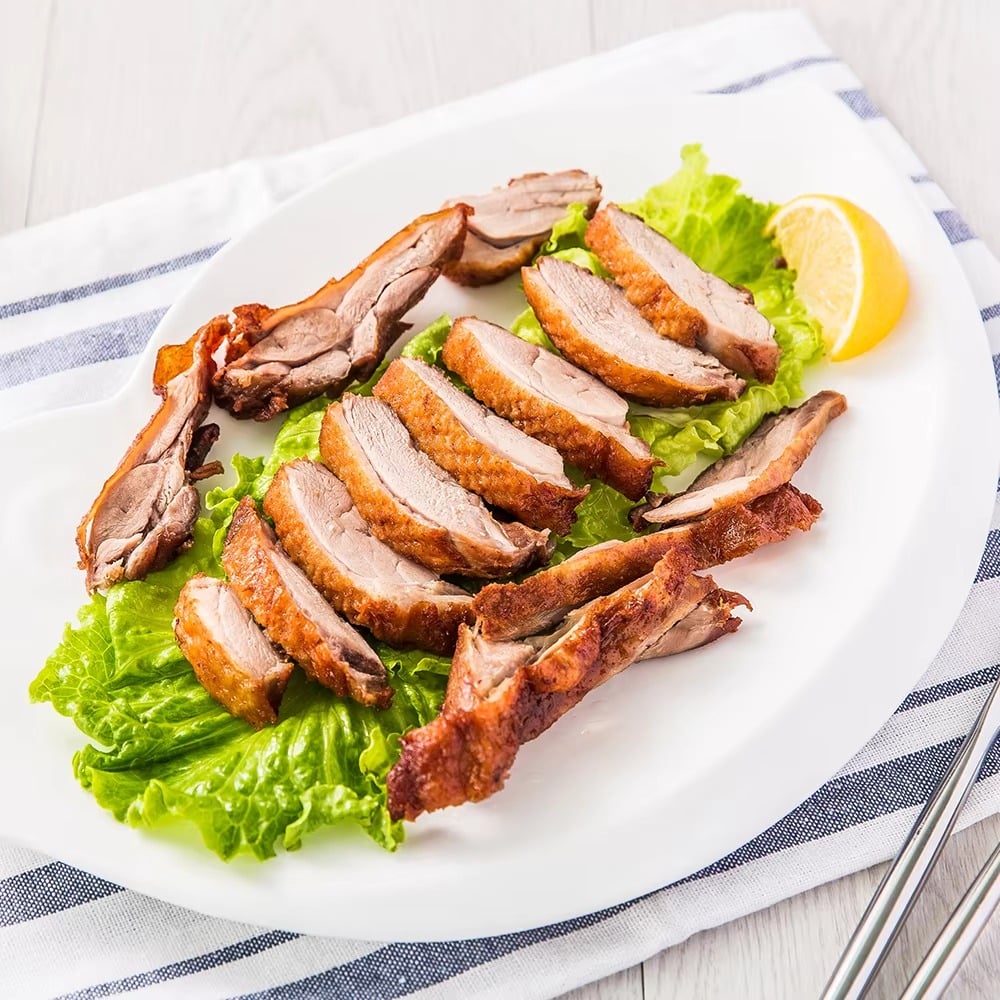
Quality control in frozen cooked foods sourcing is essential for food businesses that depend on consistent, safe, and reliable ingredients. Whether you operate a restaurant, catering service, food distribution center, or food manufacturing facility, the sourcing process directly impacts your final product quality, regulatory compliance, and customer satisfaction. Understanding how to ensure quality control when sourcing frozen cooked foods requires a multifaceted approach that combines supplier vetting, specification management, testing protocols, and cost oversight. The frozen corn price landscape presents one example of how commodity costs fluctuate, making it critical to balance budget constraints with quality standards when sourcing frozen ingredients.

Sourcing frozen cooked foods presents unique quality challenges because the product has already undergone processing and freezing before arriving at your facility. Unlike fresh ingredients where you can assess quality immediately, frozen cooked foods require verification of cooking standards, freezing methodology, storage conditions, and packaging integrity. Monitoring frozen corn price and other ingredient costs helps you understand market dynamics, but quality assurance must remain your primary concern. A comprehensive frozen cooked foods sourcing strategy integrates supplier relationship management, documentation verification, and ongoing monitoring to maintain consistent standards across all shipments and batches.
Establishing Supplier Quality Standards
Defining Clear Specifications for Frozen Cooked Foods
Before engaging any supplier for frozen cooked foods, establish detailed written specifications that outline your exact requirements. These specifications should address cooking methods, temperature profiles, ingredient sourcing, seasoning levels, texture expectations, and final product dimensions. Specifications create a common language between your organization and the supplier, reducing ambiguity and preventing quality drift over time. When comparing frozen corn price quotes from different suppliers, always ensure the specification requirements remain identical across all comparisons, since cheaper options may reflect lower quality standards or inferior ingredient sourcing practices.
Conducting Comprehensive Supplier Audits
Conduct on-site audits of potential suppliers' facilities before placing significant orders. During these audits, evaluate food safety certifications, temperature control systems, sanitation protocols, and documentation practices. Request verification of HACCP plans, allergen management procedures, and traceability systems. Assess the supplier's ability to maintain consistent production volumes and their quality management infrastructure. Understanding a supplier's operational capacity helps you predict whether they can maintain standards during peak demand periods or supply chain disruptions. Even when evaluating frozen corn price competitiveness, prioritize suppliers with transparent operations and verifiable quality credentials over those offering the lowest costs.
Implementing Testing and Verification Protocols
Establishing Incoming Inspection Procedures
Create a systematic incoming inspection procedure for all frozen cooked foods deliveries. Upon arrival, verify product temperature, packaging condition, and shipping documentation accuracy. Sample batches for visual inspection, assessing color, texture, and visible contamination. Implement random laboratory testing including microbial analysis, allergen verification, and nutritional composition checks. Document all findings in a traceability system that links specific batches to supplier shipments and dates. This documentation becomes invaluable if quality issues arise later or if customers report concerns. Tracking frozen corn price trends alongside quality metrics helps you identify whether cost reductions correlate with quality degradation.
Monitoring Temperature Chain Integrity
The frozen cooked foods supply chain depends critically on maintaining proper temperature control from production through storage and delivery. Request that suppliers use temperature data loggers during shipment to verify that frozen products never experience temperature excursions that could compromise food safety or quality. Upon receipt, verify that internal product temperature remains at or below minus 18 degrees Celsius. Establish temperature monitoring systems in your own storage facilities using alarm systems that alert staff to any deviations. Even minor temperature fluctuations can affect texture, taste, and food safety profiles. This commitment to temperature integrity supports your reputation and protects customer health, justifying investment even when frozen corn price negotiations tempt you toward lower-cost suppliers with less rigorous temperature management.
Managing Cost Efficiency Without Compromising Quality
Balancing Frozen Corn Price and Quality Expectations
The frozen corn price market demonstrates how commodity costs fluctuate based on seasonal availability, crop conditions, and global supply dynamics. When sourcing frozen cooked foods, similar price volatility occurs based on ingredient costs, energy expenses, and labor rates. Rather than automatically selecting the lowest-cost supplier, develop a total cost of ownership analysis that accounts for quality metrics, waste rates, customer satisfaction, and compliance risk. A slightly higher frozen corn price from a reliable supplier may result in lower waste, fewer customer complaints, and reduced regulatory exposure compared to a cheaper option with inconsistent quality. Building long-term partnerships with quality-focused suppliers often yields better pricing through volume commitments than constantly switching to chase minimal cost savings.
Leveraging Volume Commitments and Long-Term Contracts
Negotiate long-term supply agreements with qualified suppliers to secure more favorable pricing while maintaining quality standards. Long-term contracts reduce supplier uncertainty and often result in better frozen corn price terms and improved service reliability. These agreements should include quality specifications, volume minimums, pricing escalation clauses tied to market indexes, and performance metrics. Include clauses that allow you to conduct periodic audits and testing, ensuring that suppliers maintain standards throughout the contract period. Volume commitments signal serious partnership intent, encouraging suppliers to invest in maintaining your quality requirements. This approach delivers both cost efficiency and quality assurance, avoiding the false choice between premium pricing and budget constraints.
FAQ
What certifications should I require from frozen cooked foods suppliers?
Require suppliers to maintain HACCP certification, FSMA compliance documentation, and relevant country-specific food safety certifications. Additionally, request third-party audits from recognized certification bodies, allergen management certifications, and traceability documentation. Many regions require suppliers to hold ISO 22000 certification or equivalent food safety management system credentials. Frozen corn price should never influence your certification requirements, as certifications directly impact regulatory compliance and product safety.
How often should I test frozen cooked foods shipments?
Establish a testing frequency based on risk assessment and historical supplier performance. Most operations test incoming batches monthly or quarterly, with increased frequency for new suppliers or after any quality issues. Include both visual inspections on every delivery and periodic laboratory testing for microbial analysis and composition verification. As your confidence in a supplier grows and frozen corn price stabilizes, you may reduce testing frequency, but never eliminate it entirely since quality can shift unexpectedly during supplier transitions or operational changes.
Can I reduce quality costs by sourcing from the cheapest frozen cooked foods supplier?
No, selecting suppliers based solely on lowest frozen corn price or minimum cost creates significant hidden expenses. Cheaper suppliers often have higher defect rates, waste percentages, and customer complaint frequencies that offset apparent savings. Regulatory violations, customer refunds, and reputational damage from quality failures cost substantially more than paying slightly higher prices for reliable, quality-focused suppliers. A strategic approach balances cost competitiveness with quality assurance, ensuring that your sourcing decision supports both profitability and customer satisfaction simultaneously.