
 EN
EN

The global freeze dried fruits market has experienced unprecedented growth in recent years, driven by increasing consumer demand for healthy, convenient, and long-lasting food options. These nutritionally dense products have become essential commodities in international trade, offering retailers and distributors lucrative opportunities across multiple market segments. Understanding which freeze dried fruits dominate global markets can provide valuable insights for businesses looking to capitalize on this expanding industry trend.
Market Leaders in Global Freeze Dried Fruits Trade
Strawberries Dominate International Sales
Freeze dried strawberries consistently rank as the top-selling product in global markets, accounting for approximately 35% of total freeze dried fruits trade volume. Their intense flavor concentration, vibrant color retention, and versatile applications make them highly sought after by food manufacturers, retailers, and consumers worldwide. The lightweight nature of freeze dried strawberries reduces shipping costs significantly, making international distribution economically viable for suppliers and importers alike.
Major importing regions including North America, Europe, and Asia Pacific demonstrate strong demand for premium freeze dried strawberries. Food service operators particularly value these products for their consistent quality, extended shelf life, and ability to maintain nutritional integrity without refrigeration requirements. The concentrated sweetness and crispy texture of freeze dried strawberries enhance various food applications from breakfast cereals to gourmet desserts.
Banana Products Show Strong Market Performance
The global trade in freeze dried bananas has expanded rapidly, with these products becoming increasingly popular in health-conscious markets. Freeze dried banana chips and slices offer natural sweetness without added sugars, appealing to consumers seeking wholesome snacking alternatives. Their potassium content and energy-providing properties make them particularly attractive to fitness enthusiasts and outdoor recreation markets.
International buyers appreciate the consistent availability of freeze dried bananas throughout the year, eliminating seasonal supply constraints that affect fresh banana trade. The processing technology preserves the characteristic banana flavor while creating a shelf-stable product that requires minimal storage infrastructure. Export statistics indicate growing demand from emerging markets where traditional refrigerated distribution networks remain underdeveloped.
Premium Fruit Categories Driving Market Growth
Exotic Varieties Command Higher Prices
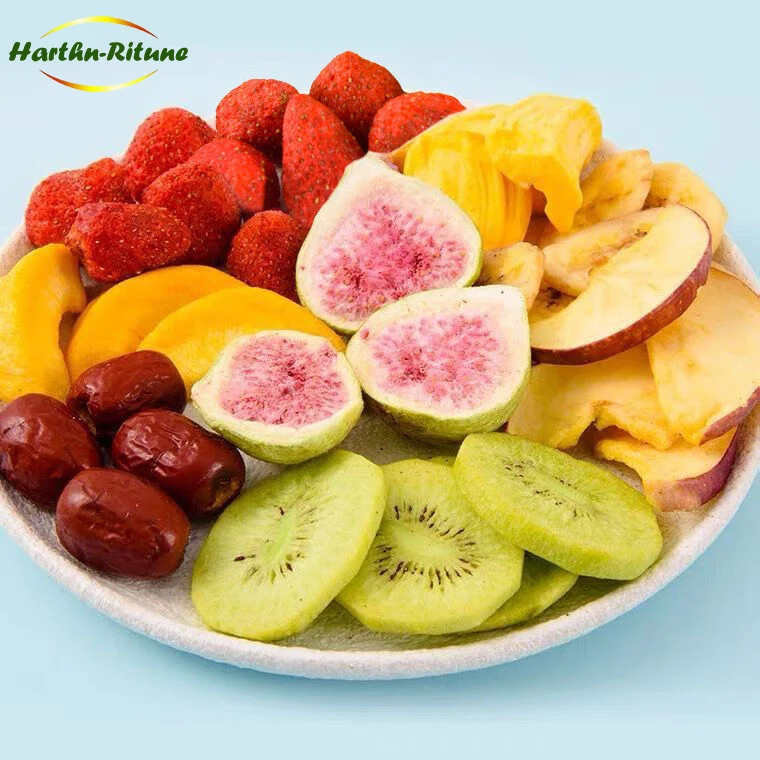
Specialty freeze dried fruits such as dragon fruit, kiwi, and passion fruit have emerged as high-value segments in international trade markets. These exotic varieties typically command premium pricing due to their unique flavors, nutritional profiles, and perceived luxury positioning. Global distributors target upscale retail channels and gourmet food manufacturers willing to pay higher prices for distinctive ingredients.
The limited seasonal availability of fresh exotic fruits creates substantial opportunities for freeze dried alternatives. Processing facilities can capture peak harvest periods and extend market reach throughout the year, generating consistent revenue streams. International trade data shows increasing demand from developed markets where consumers demonstrate willingness to pay premiums for authentic, high-quality freeze dried fruits sourced from renowned growing regions.
Mixed Fruit Combinations Gain Popularity
Blended freeze dried fruits products have become increasingly popular in global markets, offering consumers convenient access to diverse flavors and nutritional benefits in single packages. These combinations typically include complementary fruits that provide balanced taste profiles and enhanced visual appeal. Food manufacturers utilize mixed freeze dried fruits in trail mixes, granola products, and ready-to-eat cereals targeting health-conscious demographics.
The development of proprietary fruit blends allows suppliers to differentiate their products and build brand recognition in competitive markets. Custom mixing capabilities enable manufacturers to create region-specific formulations that align with local taste preferences and cultural food traditions. Export volumes for mixed freeze dried fruits continue growing as international buyers seek value-added products that simplify inventory management and reduce sourcing complexity.
Regional Market Dynamics and Trade Patterns
Asia Pacific Emerges as Manufacturing Hub
The Asia Pacific region has established itself as a dominant force in freeze dried fruits production and export, leveraging abundant raw material supplies and advanced processing technologies. Countries including Thailand, Philippines, and Vietnam have invested heavily in freeze drying infrastructure to serve growing international demand. These nations benefit from tropical climates that produce high-quality fruits year-round, ensuring consistent supply chains for global markets.
Manufacturing facilities in Asia Pacific often achieve cost advantages through economies of scale and lower labor costs, enabling competitive pricing in international markets. Quality certifications and food safety standards have improved significantly, allowing Asian producers to access premium markets in North America and Europe. The region's strategic location facilitates efficient shipping to major consumption centers worldwide.
European Markets Drive Quality Standards
European Union countries represent sophisticated markets for freeze dried fruits, emphasizing organic certification, sustainability practices, and traceability throughout supply chains. These markets typically demand premium products that meet stringent quality specifications and regulatory requirements. European importers often establish long-term partnerships with certified suppliers who can demonstrate consistent quality and ethical sourcing practices.
The European market's focus on health and wellness trends has driven demand for freeze dried fruits as natural ingredients in functional foods and dietary supplements. Retail channels including health food stores, organic supermarkets, and specialty food retailers actively seek innovative freeze dried fruits products that align with consumer preferences for clean label ingredients and minimal processing.
Technology Advancements Shaping Industry Growth
Processing Innovations Improve Product Quality
Advanced freeze drying technologies have revolutionized the quality and consistency of freeze dried fruits available in global markets. Modern equipment enables precise control over temperature, pressure, and timing parameters, resulting in superior texture, flavor retention, and nutritional preservation. These technological improvements have expanded the range of fruits suitable for freeze drying processing, creating new market opportunities.
Automation and process optimization have reduced production costs while improving product consistency, making freeze dried fruits more competitive with alternative preservation methods. Investment in research and development continues driving innovations in packaging, storage, and handling techniques that extend product shelf life and maintain quality during international shipping.
Packaging Solutions Enhance Market Reach
Innovative packaging technologies have significantly improved the marketability and distribution capabilities of freeze dried fruits in global trade. Barrier packaging materials protect products from moisture, oxygen, and light exposure while maintaining optimal texture and flavor characteristics. Modified atmosphere packaging and nitrogen flushing techniques further extend shelf life and preserve product quality during long-distance transportation.
Portion control packaging and resealable formats have expanded consumer applications for freeze dried fruits, enabling retail sales in smaller quantities that align with household consumption patterns. Private label opportunities have grown as retailers seek distinctive packaging designs and portion sizes that differentiate their freeze dried fruits offerings from competitors.
Supply Chain Considerations for Global Trade
Logistics Infrastructure Requirements
Successful international trade in freeze dried fruits requires robust logistics infrastructure capable of maintaining product integrity throughout distribution networks. Unlike fresh fruits that demand refrigerated transportation, freeze dried fruits can utilize standard shipping methods, reducing logistics costs and expanding accessible markets. This advantage has enabled smaller producers to participate in global trade by eliminating expensive cold chain requirements.
Warehouse storage requirements for freeze dried fruits are minimal compared to fresh or frozen alternatives, allowing distributors to maintain larger inventories without significant infrastructure investments. The extended shelf life of properly packaged freeze dried fruits reduces inventory turnover pressures and enables strategic stockpiling to manage seasonal demand fluctuations.
Quality Assurance and Certification Standards
International trade in freeze dried fruits increasingly requires comprehensive quality assurance programs and third-party certifications to meet importing country requirements. Food safety standards such as HACCP, BRC, and SQF have become essential for accessing premium markets and establishing credibility with international buyers. Organic certification opens additional market segments but requires strict adherence to production and handling protocols.
Traceability systems that track freeze dried fruits from source farms through processing facilities to final destinations have become critical for managing food safety risks and maintaining consumer confidence. Documentation requirements for international shipments continue expanding as regulatory authorities implement more stringent oversight of imported food products.
Market Trends Influencing Future Growth
Health and Wellness Driving Demand
Growing consumer awareness of nutrition and wellness benefits has positioned freeze dried fruits as attractive alternatives to traditional snack foods and processed ingredients. These products retain most of their original nutritional content while offering extended shelf life and convenient consumption formats. Health-conscious consumers particularly value the absence of artificial preservatives and additives in quality freeze dried fruits products.
The global trend toward plant-based diets has increased demand for natural fruit products that provide essential vitamins, minerals, and antioxidants. Freeze dried fruits offer concentrated nutrition in lightweight formats that appeal to busy lifestyles and on-the-go consumption patterns. This alignment with health trends has driven expansion into new market segments including sports nutrition, meal replacement products, and functional foods.
E-commerce Platforms Expand Market Access
Digital marketing and e-commerce platforms have transformed how freeze dried fruits reach consumers in global markets. Online retail channels enable direct-to-consumer sales that bypass traditional distribution networks, allowing producers to capture higher margins and build brand recognition. The lightweight nature of freeze dried fruits makes them ideal for e-commerce fulfillment, with lower shipping costs compared to heavier food products.
Cross-border e-commerce has opened new opportunities for specialty freeze dried fruits suppliers to reach international customers without establishing local distribution partnerships. Social media marketing and influencer partnerships have proven effective for promoting premium freeze dried fruits products to targeted demographic segments interested in health, fitness, and gourmet food experiences.
FAQ
What factors determine the success of freeze dried fruits in global markets
Success in global freeze dried fruits markets depends on several key factors including consistent product quality, competitive pricing, reliable supply chains, and compliance with international food safety standards. Producers must also understand regional taste preferences, seasonal demand patterns, and packaging requirements specific to target markets. Building strong relationships with distributors and maintaining transparent communication throughout the supply chain are essential for long-term success.
How do freeze dried fruits compare to other preservation methods for international trade
Freeze dried fruits offer significant advantages over other preservation methods for international trade, including extended shelf life without refrigeration, reduced shipping weights, and superior retention of nutritional content and flavor. Unlike dehydrated fruits, the freeze drying process maintains the original cellular structure, resulting in better rehydration properties and texture. The elimination of cold chain requirements reduces logistics costs and enables access to markets with limited refrigeration infrastructure.
What quality standards should international buyers expect from freeze dried fruits suppliers
International buyers should expect freeze dried fruits suppliers to maintain comprehensive quality management systems including HACCP implementation, third-party food safety certifications, and detailed product specifications. Suppliers should provide certificates of analysis, nutritional information, and allergen declarations for each product batch. Traceability documentation should track products from raw material sources through processing and packaging, ensuring complete supply chain transparency and accountability.
Which emerging markets show the greatest potential for freeze dried fruits growth
Emerging markets in Southeast Asia, Latin America, and the Middle East demonstrate significant growth potential for freeze dried fruits due to rising disposable incomes, increasing health consciousness, and expanding retail infrastructure. These regions often lack reliable cold chain distribution networks, making shelf-stable freeze dried fruits attractive alternatives to fresh and frozen products. Urban populations in these markets are particularly receptive to convenient, nutritious food options that align with busy lifestyles and changing dietary preferences.
Table of Contents
- Market Leaders in Global Freeze Dried Fruits Trade
- Premium Fruit Categories Driving Market Growth
- Regional Market Dynamics and Trade Patterns
- Technology Advancements Shaping Industry Growth
- Supply Chain Considerations for Global Trade
- Market Trends Influencing Future Growth
-
FAQ
- What factors determine the success of freeze dried fruits in global markets
- How do freeze dried fruits compare to other preservation methods for international trade
- What quality standards should international buyers expect from freeze dried fruits suppliers
- Which emerging markets show the greatest potential for freeze dried fruits growth