
 EN
EN

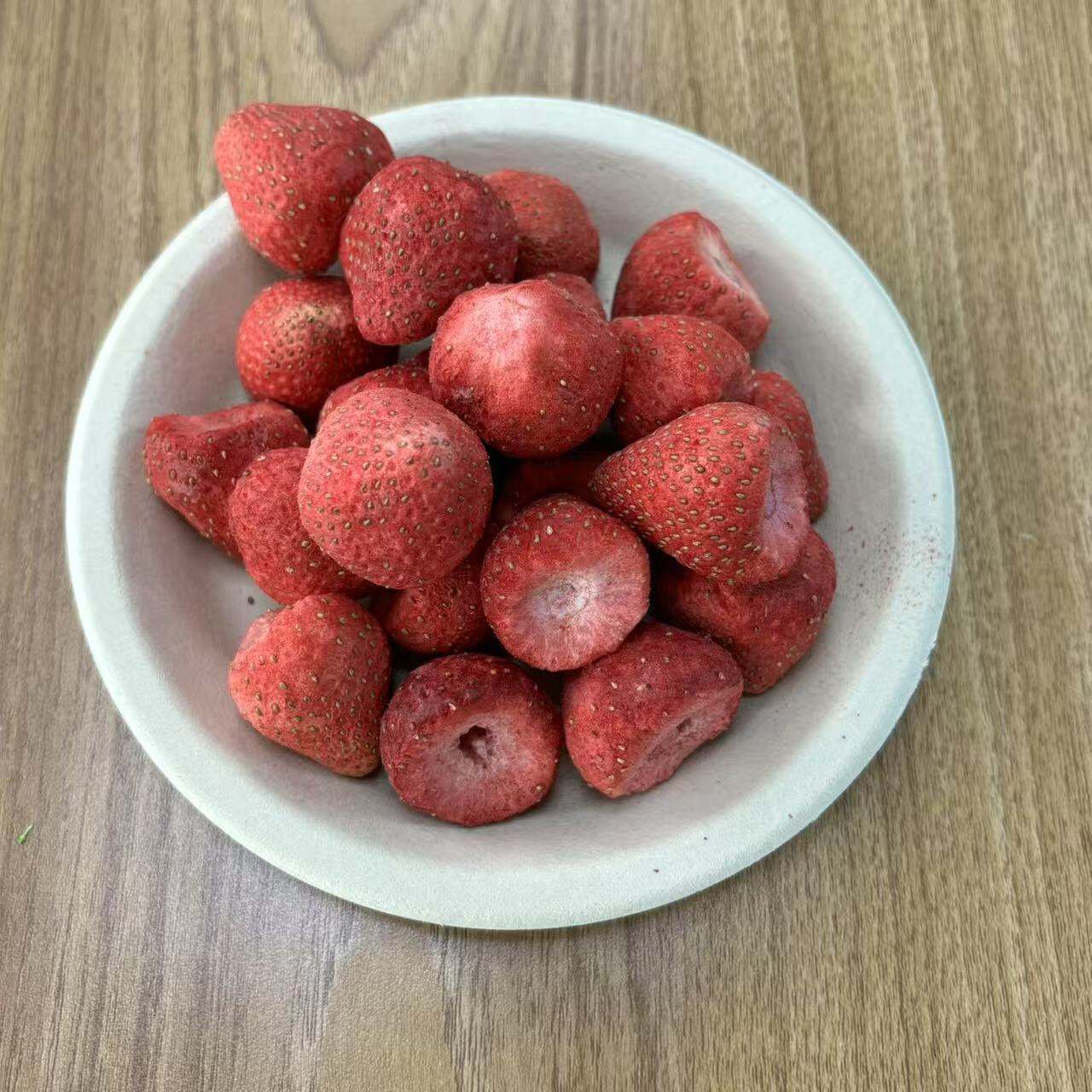
The global demand for freeze dried mixed fruits continues to surge as consumers increasingly seek nutritious, shelf-stable food options that retain maximum flavor and nutritional value. Quality standards in freeze-dried food sourcing have become paramount for businesses looking to meet stringent consumer expectations while maintaining competitive pricing structures. Understanding the intricate processes behind premium freeze dried mixed fruits sourcing enables companies to establish robust supply chains that deliver consistent, high-quality products to diverse market segments.
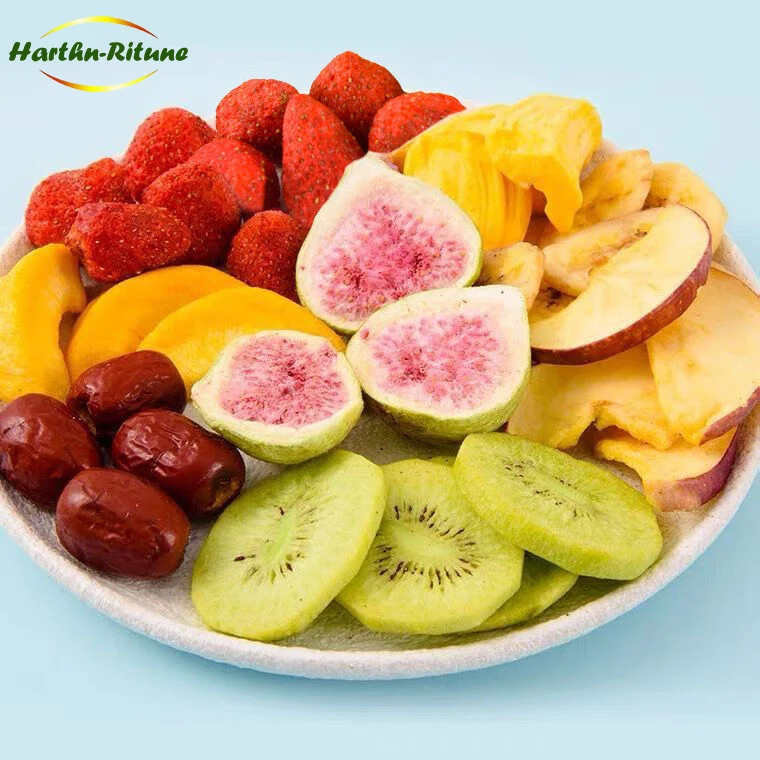
Modern freeze-drying technology has revolutionized food preservation, creating opportunities for businesses to source premium ingredients that maintain their original taste profiles and nutritional integrity. The sophisticated process removes moisture while preserving cellular structure, resulting in lightweight products with extended shelf life capabilities. Successful sourcing strategies require comprehensive understanding of supplier capabilities, quality control measures, and regulatory compliance standards that govern the freeze dried mixed fruits industry.
Supplier Selection and Evaluation Criteria
Manufacturing Facility Standards
Establishing relationships with suppliers who maintain state-of-the-art manufacturing facilities represents a fundamental aspect of quality assurance in freeze dried mixed fruits sourcing. Modern facilities should demonstrate compliance with international food safety standards, including HACCP certification, FDA approval, and ISO quality management systems. These certifications provide assurance that suppliers follow rigorous protocols throughout the production process, from raw material handling to final packaging stages.
Temperature-controlled environments within manufacturing facilities ensure consistent freeze-drying conditions that preserve the integrity of freeze dried mixed fruits. Advanced monitoring systems track critical control points throughout the production cycle, maintaining optimal conditions for moisture removal while preventing thermal damage to sensitive compounds. Suppliers should provide detailed documentation of their facility capabilities, including equipment specifications, capacity limitations, and quality control procedures that govern their operations.
Raw Material Sourcing Practices
Premium freeze dried mixed fruits begin with superior raw materials sourced from reputable agricultural suppliers who follow sustainable farming practices. Suppliers should demonstrate traceability systems that track fruit origins, harvest dates, and handling procedures from farm to processing facility. This transparency enables buyers to verify that raw materials meet specific quality standards and comply with organic certification requirements when applicable.
Seasonal availability considerations impact the consistency and pricing of freeze dried mixed fruits, making supplier diversification essential for maintaining stable supply chains. Establishing relationships with multiple suppliers across different geographic regions helps mitigate risks associated with weather-related crop failures, political instability, or other disruptions that could affect raw material availability. Suppliers should provide detailed harvest calendars and production schedules that enable accurate demand forecasting and inventory management.
Quality Control Testing and Certification
Nutritional Analysis and Verification
Comprehensive nutritional analysis forms the foundation of quality assurance programs for freeze dried mixed fruits, ensuring products meet specified nutritional profiles and labeling requirements. Third-party laboratory testing provides independent verification of vitamin content, mineral composition, and other nutritional parameters that consumers expect from premium freeze-dried products. Regular testing schedules should encompass both incoming raw materials and finished products to maintain consistent nutritional standards.
Moisture content analysis represents a critical quality parameter that directly impacts the shelf life and storage stability of freeze dried mixed fruits. Products with excessive moisture content may experience reduced shelf life, texture degradation, or microbial growth during storage periods. Suppliers should provide detailed moisture analysis reports that demonstrate compliance with specified limits, typically ranging from 2-4% for optimal product stability and quality.
Microbiological Safety Testing
Rigorous microbiological testing protocols ensure that freeze dried mixed fruits meet stringent food safety standards required for consumer protection and regulatory compliance. Testing programs should encompass pathogenic bacteria, yeast, mold, and total plate counts that could indicate contamination or improper processing conditions. Suppliers must maintain detailed testing records that demonstrate consistent compliance with established microbiological limits throughout their production cycles.
Allergen testing becomes increasingly important as consumers demand greater transparency regarding potential allergens present in freeze dried mixed fruits products. Cross-contamination prevention measures within processing facilities help ensure that products remain free from undeclared allergens that could pose health risks to sensitive consumers. Comprehensive allergen management programs should include dedicated production lines, thorough cleaning procedures, and regular verification testing to maintain product integrity.
Supply Chain Management and Logistics
Packaging and Storage Requirements
Proper packaging solutions play a crucial role in maintaining the quality and shelf life of freeze dried mixed fruits during transportation and storage periods. Barrier packaging materials prevent moisture infiltration and oxygen exposure that could compromise product quality, texture, and nutritional content. Suppliers should utilize food-grade packaging materials that comply with relevant regulations while providing adequate protection against environmental factors that could affect product stability.
Temperature-controlled storage facilities ensure that freeze dried mixed fruits maintain their quality characteristics throughout the supply chain distribution process. Consistent storage temperatures prevent condensation formation that could introduce moisture into packaging systems, potentially compromising product quality and shelf life. Suppliers should provide detailed storage protocols and temperature monitoring records that demonstrate proper handling procedures from production through final delivery.
Transportation and Delivery Protocols
Efficient transportation networks enable timely delivery of freeze dried mixed fruits while maintaining product quality and minimizing shipping costs. Suppliers should establish partnerships with reliable logistics providers who understand the specific handling requirements for freeze-dried products, including protection from extreme temperatures and humidity fluctuations during transit. Tracking systems provide real-time visibility into shipment status and delivery schedules that enable effective inventory management.
Documentation requirements for international shipping include certificates of analysis, health certificates, and customs declarations that facilitate smooth border crossings and regulatory compliance. Suppliers should maintain comprehensive documentation systems that provide all necessary paperwork for international shipments, reducing delays and ensuring compliance with destination country import requirements for freeze dried mixed fruits products.
Regulatory Compliance and Documentation
International Food Safety Standards
Compliance with international food safety standards ensures that freeze dried mixed fruits meet regulatory requirements across multiple market jurisdictions. Suppliers should maintain current certifications for relevant standards including BRC, SQF, and FSSC 22000 that demonstrate their commitment to food safety and quality management. These certifications provide assurance that suppliers follow internationally recognized best practices for food production and quality control.
Regular auditing programs verify ongoing compliance with established food safety standards and identify areas for continuous improvement within supplier operations. Third-party audits provide independent assessments of supplier capabilities and compliance status, enabling informed decision-making regarding supplier relationships and quality assurance programs. Audit reports should include detailed findings, corrective action plans, and follow-up schedules that ensure sustained compliance with quality standards.
Traceability and Record Keeping
Comprehensive traceability systems enable rapid response to quality issues or recall situations that may affect freeze dried mixed fruits products in the marketplace. Suppliers should maintain detailed records that track products from raw material receipt through final shipment, including batch numbers, production dates, and quality test results. This documentation provides the foundation for effective lot tracking and enables quick identification of affected products if quality issues arise.
Electronic record-keeping systems enhance the efficiency and accuracy of traceability programs while providing secure storage for critical quality documentation. Digital systems enable rapid searches of historical data and facilitate communication with regulatory authorities during inspection or investigation processes. Suppliers should implement robust data backup procedures that ensure record availability and integrity throughout required retention periods for freeze dried mixed fruits documentation.
Cost Management and Value Optimization
Pricing Structure Analysis
Understanding the cost components that influence freeze dried mixed fruits pricing enables informed purchasing decisions and effective budget management. Raw material costs typically represent the largest expense component, followed by processing costs, packaging materials, and transportation expenses. Suppliers should provide transparent pricing structures that clearly identify individual cost elements and explain how market fluctuations may impact final product pricing.
Volume-based pricing tiers reward larger purchase commitments while providing cost advantages that improve overall profitability for freeze dried mixed fruits buyers. Long-term supply agreements often include price protection mechanisms that provide stability against market volatility while securing preferred supplier capacity during peak demand periods. Negotiating favorable terms requires understanding supplier cost structures and market dynamics that influence pricing decisions.
Quality-to-Price Ratio Evaluation
Evaluating the quality-to-price ratio helps identify suppliers who provide optimal value for freeze dried mixed fruits procurement activities. Lower-priced options may compromise quality standards, resulting in higher overall costs due to customer complaints, returns, or regulatory issues. Premium suppliers often provide superior quality that justifies higher unit costs through reduced quality-related expenses and enhanced customer satisfaction levels.
Total cost of ownership calculations should include quality-related expenses such as incoming inspection costs, rejected material handling, and potential liability exposure associated with quality failures. Suppliers who consistently deliver high-quality freeze dried mixed fruits may reduce these hidden costs significantly, providing better overall value despite higher unit pricing. Long-term partnerships with quality-focused suppliers often generate cost savings through improved efficiency and reduced quality management overhead.
FAQ
What certifications should I look for when sourcing freeze dried mixed fruits
Key certifications include HACCP, FDA registration, organic certification (if applicable), and international standards like BRC or SQF. These certifications demonstrate that suppliers maintain proper food safety protocols and quality management systems. Additionally, look for ISO 9001 certification which indicates comprehensive quality management practices throughout the supplier organization.
How can I verify the nutritional quality of freeze dried mixed fruits
Request certificates of analysis from third-party laboratories that detail nutritional content including vitamins, minerals, and moisture levels. Compare these results against product specifications and industry standards. Regular testing of incoming shipments helps ensure consistency and provides documentation for your own quality assurance programs.
What are the most important factors affecting freeze dried mixed fruits pricing
Raw material costs represent the primary pricing factor, influenced by seasonal availability and agricultural conditions. Processing costs, including energy expenses for freeze-drying equipment, also significantly impact pricing. Transportation costs, packaging materials, and order quantities further affect final pricing structures from suppliers.
How should freeze dried mixed fruits be stored to maintain quality
Store freeze dried mixed fruits in cool, dry environments with temperatures below 70°F and relative humidity under 60%. Use airtight containers or original packaging to prevent moisture absorption. Avoid exposure to direct sunlight and temperature fluctuations that could compromise product quality and reduce shelf life significantly.