
 EN
EN

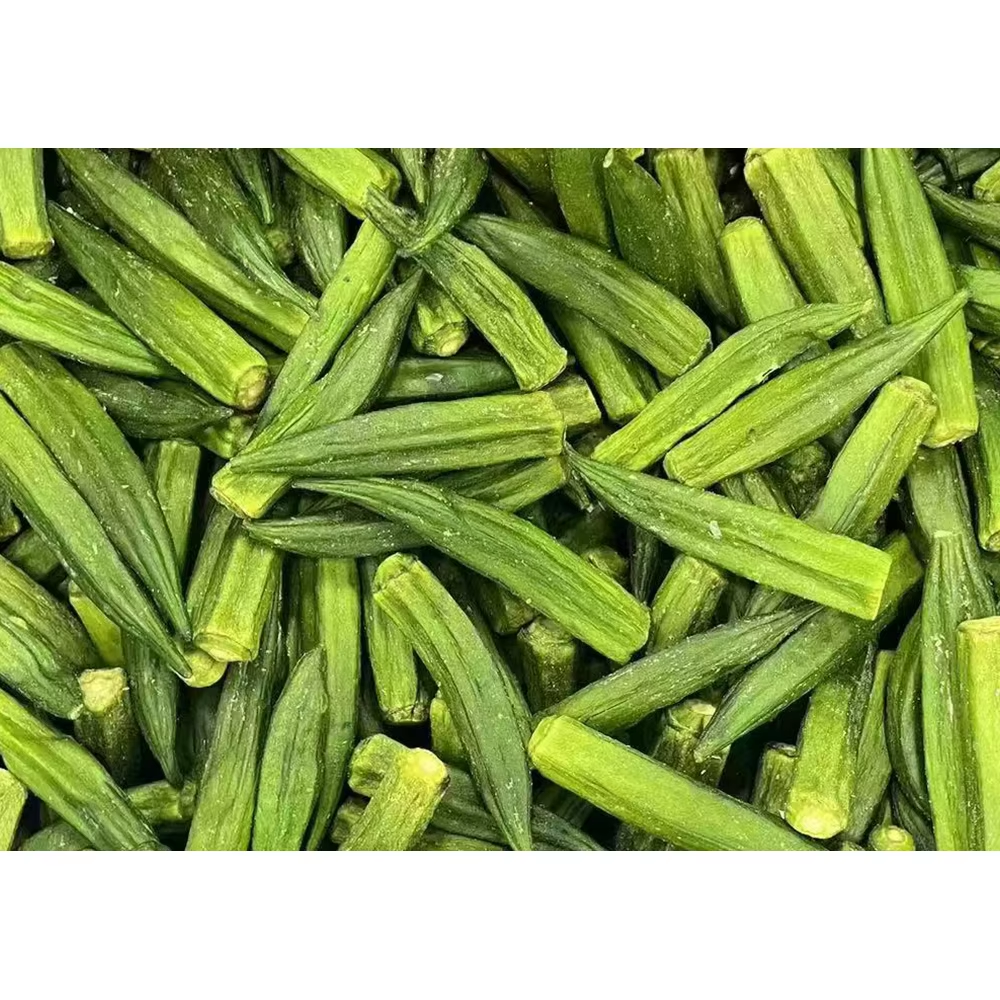
The global snack food industry has witnessed a remarkable transformation as health-conscious consumers increasingly seek nutritious alternatives to traditional fried snacks. In export markets, vegetable crisp products have emerged as a lucrative category, offering manufacturers and distributors significant opportunities for international expansion. Understanding which vegetable crisp varieties command the highest demand in international markets is crucial for businesses looking to capitalize on this growing trend. The shift toward healthier snacking options has positioned vegetable crisps as premium products that combine taste, nutrition, and convenience for modern consumers worldwide.
Premium Root Vegetable Crisps Leading Export Demand
Sweet Potato Crisps Dominating International Markets
Sweet potato crisps have established themselves as the frontrunner in export markets, particularly in North America and Europe. These naturally sweet, orange-hued snacks appeal to consumers seeking both flavor and nutritional benefits. The high beta-carotene content and natural sweetness make sweet potato crisps an attractive alternative to conventional potato chips. Export data indicates consistent year-over-year growth in sweet potato crisp shipments, with premium pricing that reflects consumer willingness to pay for perceived health benefits.
Manufacturing processes for sweet potato crisps have been refined to preserve the vegetable's natural nutrients while achieving the desired texture and shelf stability required for international shipping. Advanced vacuum frying techniques maintain the vibrant color and nutritional profile that export markets demand. Quality control standards for sweet potato crisps are particularly stringent, as international buyers expect consistent taste, texture, and appearance across shipments.
Beetroot Crisps Capturing Health-Conscious Consumers
Beetroot crisps represent another high-demand category in export markets, especially in regions where superfoods and antioxidant-rich snacks are trending. The distinctive deep purple color and earthy flavor profile of beetroot crisps make them stand out on retail shelves, contributing to their premium positioning. Export markets in Australia, the United Kingdom, and Germany have shown particularly strong demand for beetroot-based snack products.
The production of beetroot crisps requires specialized handling to maintain the vegetable's natural pigments and prevent color bleeding during processing. Export-quality beetroot crisps undergo rigorous testing for color stability, ensuring that the final product maintains its visual appeal throughout the distribution chain. Packaging innovations, including modified atmosphere packaging, help preserve the beetroot crisps' nutritional integrity during long-distance shipping to international markets.
Exotic Vegetable Crisps Commanding Premium Prices
Taro Root Crisps Appealing to Diverse Demographics
Taro root crisps have gained significant traction in export markets, particularly among Asian diaspora communities and adventurous snack consumers seeking novel flavors. The naturally creamy texture and subtle nutty flavor of taro make these crisps highly appealing to diverse consumer demographics. Export markets in North America have shown strong growth in taro crisp consumption, driven by increasing awareness of Asian cuisine and ingredients.
Processing taro for crisp production requires expertise in handling the root vegetable's unique characteristics, including its moisture content and natural starches. Export-grade taro crisps must meet strict quality standards for texture consistency and flavor profile. The premium pricing of taro crisps in international markets reflects both the specialized processing requirements and the perceived exotic nature of the ingredient.
Plantain Crisps Expanding Beyond Traditional Markets
Plantain crisps have successfully expanded beyond their traditional Caribbean and Latin American markets to gain acceptance in broader international markets. The natural sweetness and satisfying crunch of plantain crisps appeal to consumers seeking gluten-free and naturally sweet snack options. Export data shows growing demand for plantain crisps in European markets, where they are positioned as premium, artisanal snack products.
The production of export-quality plantain crisps involves careful selection of ripeness levels to achieve optimal sugar content and texture. Advanced processing techniques ensure that plantain crisps maintain their nutritional benefits while achieving the extended shelf life required for international distribution. Packaging solutions for plantain crisps focus on moisture control and protection from humidity during shipping to various climate zones.
Innovative Vegetable Crisp Varieties Gaining Market Share
Parsnip Crisps Attracting Gourmet Market Segments
Parsnip crisps have emerged as a sophisticated snack option that appeals to gourmet and upscale market segments in export destinations. The naturally sweet and slightly spicy flavor profile of parsnip crisps sets them apart from more common vegetable crisp varieties. European export markets, particularly in Scandinavia and the United Kingdom, have shown strong demand for parsnip-based snack products as part of the artisanal food movement.
Manufacturing parsnip crisps requires precise control of processing temperatures to prevent excessive browning while maintaining the vegetable's characteristic flavor compounds. Export standards for parsnip crisps emphasize consistent color and texture, as these visual and tactile qualities are crucial for consumer acceptance in premium market segments. Quality assurance protocols for parsnip crisps include rigorous testing for oil absorption levels and sensory characteristics.
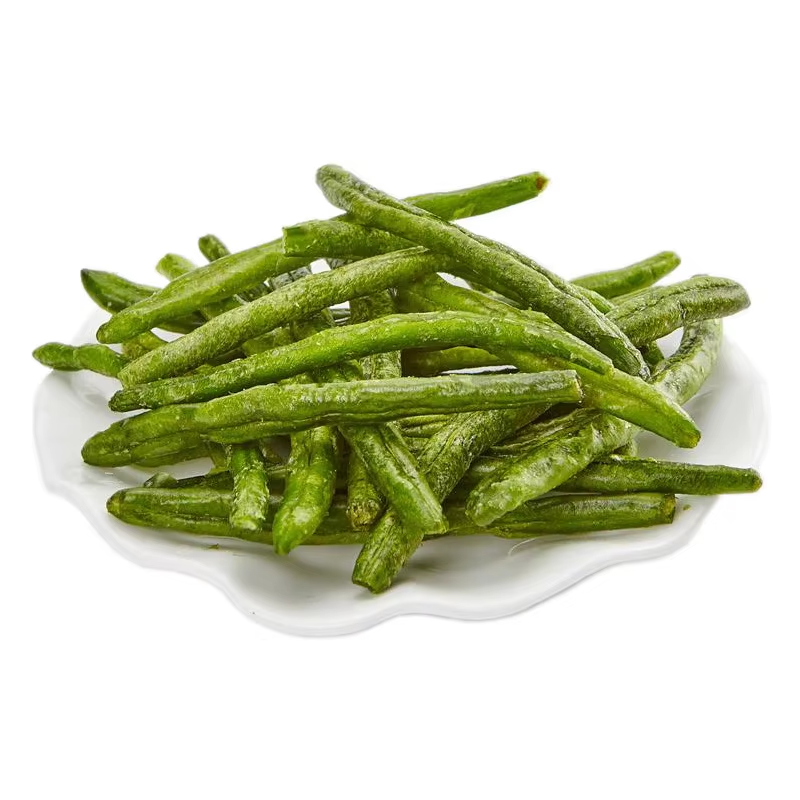
Mixed Vegetable Crisp Assortments Creating Market Differentiation
Mixed vegetable crisp products have gained popularity in export markets as they offer consumers variety and visual appeal in a single package. These assortments typically combine multiple vegetable varieties such as sweet potato, beetroot, parsnip, and carrot crisps to create colorful and nutritionally diverse snack options. Export markets appreciate the convenience and premium positioning of mixed vegetable crisp products, which command higher prices than single-vegetable varieties.
Production of mixed vegetable crisp assortments requires sophisticated inventory management and quality control systems to ensure consistent ratios and freshness across all vegetable components. Export specifications for mixed products must account for varying shelf life characteristics of different vegetables, with packaging and storage protocols designed to maintain quality for the most perishable component. Advanced sorting and packaging technologies enable manufacturers to create visually appealing mixed assortments that meet international quality standards.
Processing Technologies Driving Export Quality Standards
Vacuum Frying Techniques Preserving Nutritional Value
Advanced vacuum frying technology has revolutionized the production of export-quality vegetable crisps by preserving nutritional content while achieving superior texture and appearance. This low-temperature processing method maintains the natural colors and vitamins of vegetables, making the final products more appealing to health-conscious consumers in international markets. Vacuum frying also reduces oil absorption, resulting in lighter, crispier products that meet the demanding quality standards of export markets.
The implementation of vacuum frying systems requires significant capital investment, but the technology enables manufacturers to differentiate their vegetable crisp products in competitive export markets. Quality control measures for vacuum-fried products include monitoring oil temperatures, vacuum levels, and processing times to ensure consistent results across production batches. Export-grade facilities utilizing vacuum frying technology must maintain strict hygiene and quality standards to meet international food safety regulations.
Modified Atmosphere Packaging Extending Shelf Life
Modified atmosphere packaging (MAP) technology has become essential for vegetable crisp manufacturers targeting export markets, as it significantly extends product shelf life while maintaining quality during long-distance shipping. This packaging method replaces oxygen with nitrogen or other inert gases to prevent oxidation and rancidity, ensuring that vegetable crisps arrive at international destinations with optimal taste and texture. MAP technology is particularly important for organic and natural vegetable crisp products that lack synthetic preservatives.
The selection of appropriate MAP parameters depends on the specific vegetable type and processing method used, requiring expertise in packaging science and food technology. Export-quality vegetable crisps packaged with MAP technology must undergo extensive shelf life testing to validate performance under various storage and shipping conditions. Investment in MAP capabilities has become a competitive advantage for manufacturers seeking to establish long-term relationships with international distributors and retailers.
Market Trends Shaping Future Demand
Organic Certification Driving Premium Positioning
Organic certification has become increasingly important for vegetable crisp products in export markets, as consumers are willing to pay premium prices for snacks that meet organic standards. The demand for organic vegetable crisps is particularly strong in European and North American markets, where regulatory frameworks support organic food production and labeling. Manufacturers investing in organic certification for their vegetable crisp products are positioning themselves to capture the growing organic snack food segment.
Achieving organic certification for vegetable crisp production requires comprehensive documentation of sourcing, processing, and handling procedures throughout the supply chain. Export markets for organic vegetable crisps demand transparency and traceability, with consumers increasingly interested in the origin and production methods of their snack foods. The premium pricing available for certified organic vegetable crisps often justifies the additional costs and complexity associated with organic certification and compliance.
Functional Ingredients Enhancing Market Appeal
The incorporation of functional ingredients and superfoods into vegetable crisp formulations is creating new opportunities in export markets. Manufacturers are experimenting with additions such as chia seeds, quinoa, and various spices to enhance the nutritional profile and market appeal of their vegetable crisp products. These value-added formulations command premium prices and appeal to consumers seeking snacks that provide specific health benefits beyond basic nutrition.
Development of functional vegetable crisp products requires expertise in food science and nutrition to ensure that added ingredients complement rather than compromise the base vegetable flavors and textures. Export markets for functional snack foods are particularly receptive to products that can demonstrate specific health claims supported by scientific research. Regulatory compliance for functional vegetable crisps varies by export destination, requiring manufacturers to adapt formulations and labeling to meet local requirements.
FAQ
Which vegetable crisp varieties have the highest profit margins in export markets
Premium exotic varieties such as taro root, purple sweet potato, and mixed vegetable assortments typically command the highest profit margins in export markets. These products can sell for 2-3 times the price of conventional potato chips due to their perceived health benefits and unique flavors. Organic certified varieties consistently achieve 20-30% higher pricing than conventional alternatives across most export destinations.
What quality standards must vegetable crisps meet for international export
Export-quality vegetable crisps must meet strict standards for moisture content, oil absorption levels, color consistency, and microbiological safety. Most international markets require HACCP certification, proper labeling in local languages, and compliance with specific food safety regulations. Shelf life requirements typically range from 12-18 months, necessitating advanced packaging technologies and quality control systems.
How do shipping and logistics affect vegetable crisp export pricing
Transportation costs can represent 15-25% of the final delivered price for vegetable crisp exports, depending on destination and shipping method. Air freight is often necessary for premium products to maintain quality, while sea freight is more economical for large volumes with longer shelf life products. Proper packaging design that maximizes container utilization while protecting product integrity is crucial for maintaining competitive pricing in export markets.
What seasonal factors influence vegetable crisp export demand
Export demand for vegetable crisps typically peaks during autumn and winter months in temperate markets, coinciding with increased indoor snacking and holiday seasons. Summer months often see higher demand for lighter, more refreshing varieties such as beetroot and mixed vegetable crisps. Seasonal availability of raw materials can affect production costs and pricing, making supply chain planning crucial for maintaining consistent export operations throughout the year.