
 EN
EN

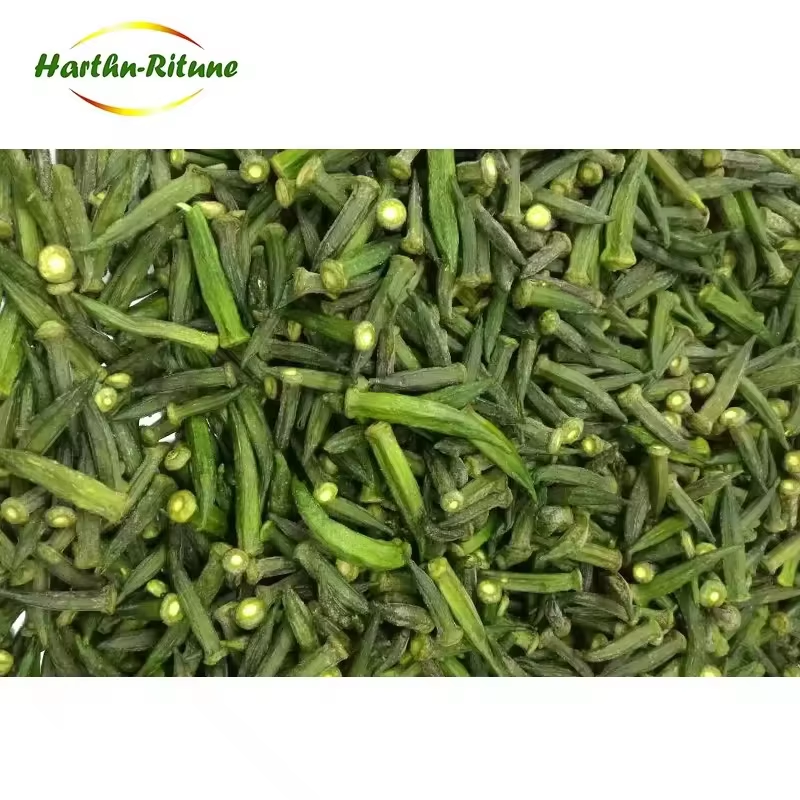
The modern retail landscape demands innovative snack solutions that cater to health-conscious consumers seeking nutritious alternatives to traditional processed foods. Vegetable crisp products have emerged as a cornerstone of the healthy snacking revolution, offering retailers an opportunity to capitalize on growing consumer demand for wholesome, convenient options. These vacuum-fried delicacies retain essential nutrients while delivering the satisfying crunch that consumers crave, making them an ideal addition to any retailer's inventory.
Market Demand for Healthy Snacking Solutions
Consumer Behavior Shifts Toward Nutritious Options
Today's consumers are increasingly prioritizing health and wellness in their purchasing decisions, creating substantial opportunities for retailers who stock premium vegetable crisp products. Market research indicates that 73% of global consumers are actively trying to eat healthier, with particular emphasis on snacks that provide nutritional value without compromising taste. This demographic shift represents a fundamental change in shopping patterns, where consumers scrutinize ingredient lists and seek products that align with their wellness goals.
The vacuum-frying process used in quality vegetable crisp manufacturing preserves up to 80% of original nutrients compared to traditional deep-frying methods. This technological advantage allows retailers to offer products that maintain the natural vitamins, minerals, and antioxidants found in fresh vegetables while providing the shelf stability necessary for successful retail distribution. The result is a product category that bridges the gap between indulgence and nutrition.
Growth Projections in the Healthy Snack Sector
Industry analysts project the global healthy snacks market will reach $108.11 billion by 2027, with vegetable-based products commanding a significant portion of this growth. Retailers positioned early in this trend benefit from first-mover advantages, including customer loyalty development and premium positioning opportunities. The compound annual growth rate of 6.12% in this sector demonstrates sustained consumer commitment to healthier eating habits.
Vegetable crisp products particularly appeal to multiple consumer segments simultaneously, including busy professionals seeking convenient nutrition, parents looking for wholesome children's snacks, and fitness enthusiasts requiring portable energy sources. This broad appeal creates multiple revenue streams for retailers willing to invest in quality vegetable crisp inventory and appropriate marketing strategies.
Nutritional Advantages of Vacuum-Fried Vegetable Products
Preservation of Essential Nutrients Through Advanced Processing
The vacuum-frying technology employed in premium vegetable crisp production operates at significantly lower temperatures than conventional frying methods, typically between 85-95°C compared to 160-180°C for traditional processes. This temperature reduction is crucial for maintaining heat-sensitive vitamins like vitamin C and folate, which are often destroyed during high-temperature processing. Retailers can confidently market these products as nutritionally superior alternatives to conventional fried snacks.
Laboratory analyses consistently show that vacuum-fried vegetable crisp products retain substantially higher levels of dietary fiber, potassium, and beta-carotene compared to their conventionally processed counterparts. These nutritional advantages translate into tangible health benefits for consumers, including improved digestive health, enhanced immune function, and better cardiovascular support. Such documented benefits provide retailers with compelling selling points that justify premium pricing strategies.
Reduced Oil Absorption and Acrylamide Formation
Quality vegetable crisp manufacturing processes result in products containing 40-50% less oil than traditional fried snacks, addressing consumer concerns about excessive fat intake. The vacuum environment prevents oil from penetrating deep into the vegetable matrix, creating a lighter product with superior texture and mouthfeel. This reduction in oil content also contributes to longer shelf life and better storage stability for retailers.
Additionally, the lower processing temperatures significantly reduce acrylamide formation, a potentially harmful compound that develops when starchy foods are heated to high temperatures. This safety advantage allows retailers to offer vegetable crisp products with confidence, knowing they meet the highest food safety standards while delivering exceptional nutritional value to health-conscious consumers.
Retail Integration Strategies for Maximum Profitability
Optimal Product Placement and Merchandising Techniques
Successful vegetable crisp merchandising requires strategic positioning that highlights the premium nature and health benefits of these products. End-cap displays featuring vibrant product imagery and nutritional callouts consistently outperform standard shelf placement by 35-40% in sales velocity. Retailers should consider grouping vegetable crisp products with other health-focused items like organic beverages, protein bars, and natural nut products to create dedicated wellness zones that attract target demographics.
Cross-merchandising opportunities abound with vegetable crisp products, particularly in produce sections where fresh vegetable displays can complement packaged crisp offerings. This strategy reinforces the natural, wholesome positioning while encouraging impulse purchases from shoppers already focused on healthy eating. Point-of-purchase materials emphasizing the vacuum-frying process and nutritional retention help educate consumers about the premium value proposition.
Inventory Management and Supply Chain Considerations
Effective vegetable crisp inventory management requires understanding seasonal demand patterns and consumer purchasing behaviors. Peak sales typically occur during back-to-school periods, New Year wellness resolutions, and summer months when consumers prioritize lighter, healthier options. Retailers benefit from establishing reliable supplier relationships that ensure consistent product availability during these high-demand periods while maintaining freshness standards.
The extended shelf life of quality vegetable crisp products, often 12-18 months when properly stored, provides retailers with inventory flexibility unavailable with fresh produce alternatives. This stability allows for bulk purchasing advantages and reduced waste, contributing significantly to overall profitability. Proper storage in cool, dry environments preserves texture and flavor while maximizing product turnover rates.
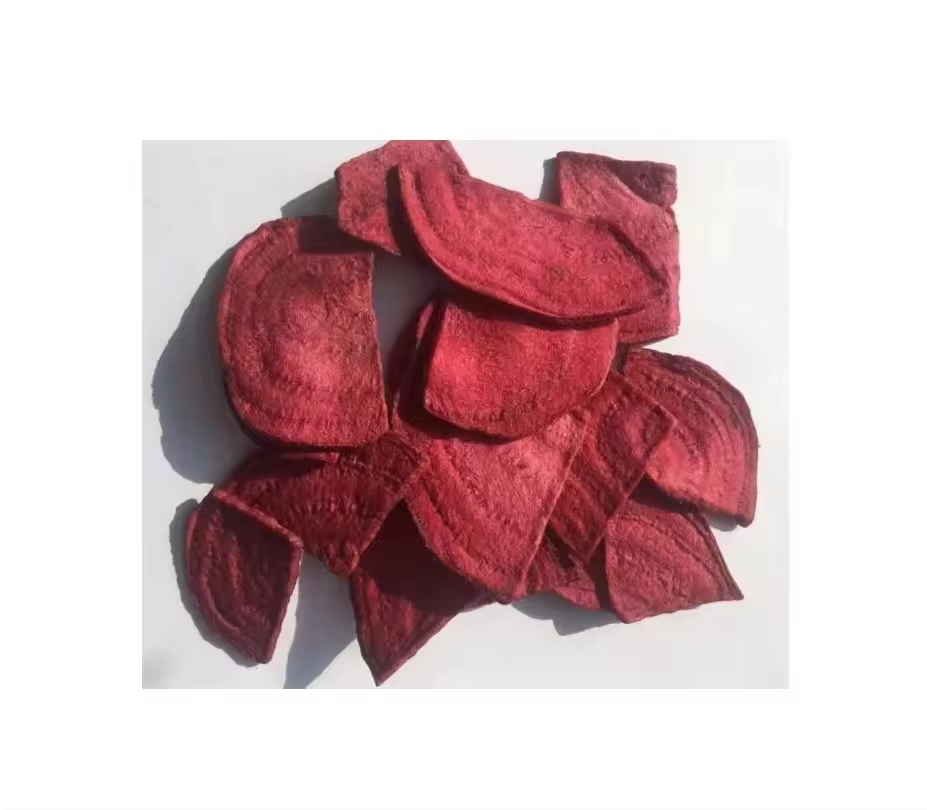
Competitive Advantages in the Snack Market
Differentiation Through Premium Quality Standards
Premium vegetable crisp products offer retailers distinct competitive advantages in increasingly crowded snack markets. The vacuum-frying process creates unique textures and flavors that cannot be replicated through conventional manufacturing methods, providing genuine product differentiation that justifies premium pricing. Consumers consistently report higher satisfaction rates with vacuum-fried products, leading to increased repeat purchases and brand loyalty.
Quality vegetable crisp manufacturers typically implement rigorous sourcing standards, selecting only premium-grade vegetables at optimal ripeness for processing. This attention to raw material quality translates into superior finished products that command higher retail prices and profit margins. Retailers partnering with established manufacturers benefit from consistent quality standards and reliable supply chains that support long-term business relationships.
Meeting Diverse Dietary Requirements and Preferences
Modern vegetable crisp products naturally accommodate multiple dietary restrictions and preferences without requiring special formulations or processing modifications. Most quality vegetable crisp products are inherently gluten-free, vegan, and free from artificial additives, appealing to consumers following specialized diets. This broad compatibility eliminates the need for retailers to maintain separate inventory for different dietary segments.
The clean label appeal of vegetable crisp products resonates strongly with parents seeking wholesome snack options for children and adults managing specific health conditions. Ingredient lists typically contain only vegetables, oil, and minimal seasoning, providing transparency that builds consumer trust and confidence. This simplicity supports retailers' efforts to position themselves as health-focused establishments committed to customer wellness.
Marketing and Customer Education Approaches
Highlighting Nutritional Benefits and Processing Advantages
Effective vegetable crisp marketing emphasizes the scientific advantages of vacuum-frying technology and its impact on nutritional retention. Educational materials explaining how lower processing temperatures preserve vitamins and minerals help consumers understand the value proposition beyond basic taste preferences. Retailers can leverage this educational approach through in-store demonstrations, sampling programs, and informational displays that showcase the manufacturing process.
Nutritional comparison charts demonstrating the superior vitamin content and reduced oil absorption of vegetable crisp products versus conventional alternatives provide compelling evidence for health-conscious consumers. These materials should be prominently displayed near product locations and incorporated into digital marketing efforts to reach broader audiences. The scientific backing for nutritional claims strengthens retailer credibility and supports premium positioning strategies.
Targeted Promotional Strategies for Different Consumer Segments
Successful vegetable crisp promotion requires understanding distinct consumer motivations and crafting targeted messages for different market segments. Health enthusiasts respond to nutritional data and ingredient transparency, while busy professionals prioritize convenience and portable nutrition. Parents focus on wholesome ingredients and child appeal, requiring different promotional approaches emphasizing safety and taste.
Seasonal promotional opportunities align vegetable crisp products with wellness trends and lifestyle changes throughout the year. New Year health resolutions, summer fitness goals, and back-to-school nutrition planning provide natural promotional hooks that retailers can leverage through targeted advertising and special offers. These campaigns should emphasize how vegetable crisp products support consumers' health and lifestyle objectives.
FAQ
What makes vacuum-fried vegetable crisp products superior to traditional fried snacks
Vacuum-frying technology operates at significantly lower temperatures, typically 85-95°C compared to 160-180°C for conventional frying, preserving up to 80% of original nutrients including heat-sensitive vitamins. This process also results in 40-50% less oil absorption, creating lighter products with better nutritional profiles and longer shelf life for retailers.
How should retailers store vegetable crisp products to maintain quality
Vegetable crisp products should be stored in cool, dry environments away from direct sunlight and heat sources. Proper storage maintains texture and flavor while maximizing the 12-18 month shelf life typical of quality vacuum-fried products. Climate-controlled storage areas help prevent moisture absorption that could compromise product crispness and consumer satisfaction.
What consumer segments show the highest demand for vegetable crisp products
Health-conscious consumers, busy professionals seeking convenient nutrition, parents looking for wholesome children's snacks, and fitness enthusiasts represent the primary market segments for vegetable crisp products. These groups prioritize nutritional value, ingredient transparency, and convenient packaging, making them ideal target demographics for retailers focusing on premium healthy snack categories.
How can retailers effectively price vegetable crisp products for maximum profitability
Premium vegetable crisp products typically command 20-30% higher retail prices than conventional fried snacks due to superior nutritional profiles and manufacturing processes. Retailers should position these products alongside other premium health foods rather than competing directly with budget snack options, emphasizing value through nutritional benefits and quality rather than price alone.
Table of Contents
- Market Demand for Healthy Snacking Solutions
- Nutritional Advantages of Vacuum-Fried Vegetable Products
- Retail Integration Strategies for Maximum Profitability
- Competitive Advantages in the Snack Market
- Marketing and Customer Education Approaches
-
FAQ
- What makes vacuum-fried vegetable crisp products superior to traditional fried snacks
- How should retailers store vegetable crisp products to maintain quality
- What consumer segments show the highest demand for vegetable crisp products
- How can retailers effectively price vegetable crisp products for maximum profitability