
 EN
EN

The foodservice industry relies heavily on frozen poultry products to maintain consistent quality, streamline kitchen operations, and meet diverse menu requirements across restaurants, hotels, catering companies, and institutional facilities. Understanding which frozen poultry products are most demanded in foodservice environments helps suppliers, distributors, and purchasing managers make informed decisions about inventory management, menu planning, and operational efficiency. The demand for specific frozen poultry products reflects evolving consumer preferences, labor cost considerations, food safety standards, and the growing need for versatile protein options that can be prepared quickly without compromising taste or nutritional value.
Commercial kitchens prioritize frozen poultry products that offer convenience, portion control, and reliable performance under high-volume conditions. The shift toward frozen options stems from their extended shelf life, reduced waste, consistent sizing, and the ability to order in bulk while maintaining product availability throughout peak and off-peak seasons. This comprehensive analysis examines the most demanded frozen poultry products in foodservice, exploring the specific cuts, formats, and preparation styles that dominate ordering patterns across various segments of the commercial food industry, while providing practical insights into why certain products outperform others in professional kitchen environments.
Boneless Skinless Chicken Breast Products
Market Dominance and Versatility
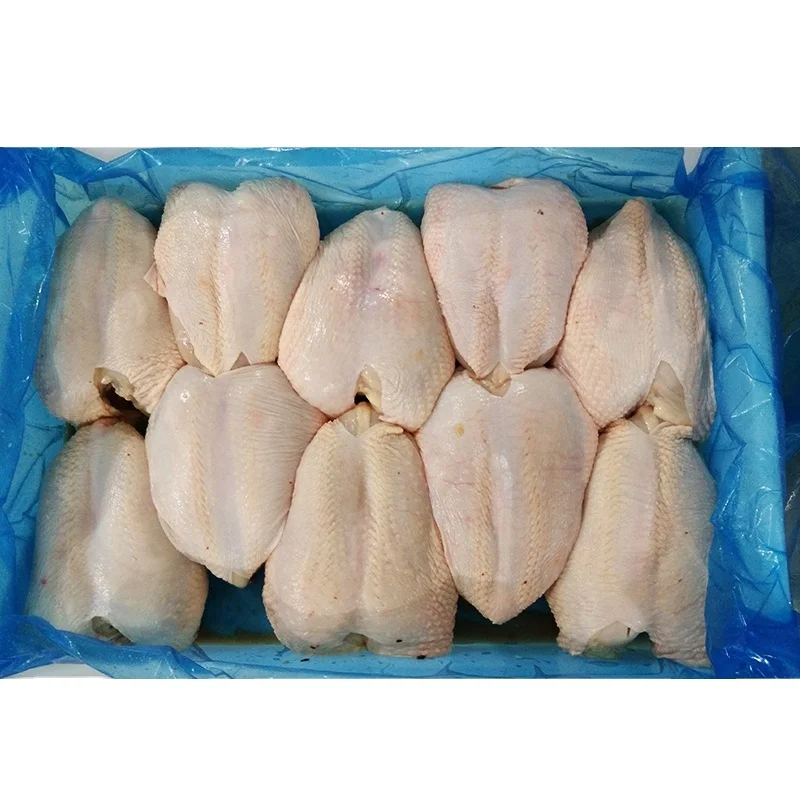
Boneless skinless chicken breast remains the single most demanded category among frozen poultry products in foodservice operations worldwide. This product format appeals to commercial kitchens because it eliminates labor-intensive preparation steps, reduces waste, and provides consistent portion sizes that simplify costing and menu planning. Restaurants featuring grilled entrees, sandwiches, salads, and pasta dishes rely on boneless skinless chicken breast as a foundational protein that adapts to countless preparation methods and flavor profiles. The product's lean composition aligns with health-conscious menu trends while its neutral flavor profile allows chefs to customize seasoning and marinades according to specific cuisine requirements.
Portion Control and Operational Efficiency
Foodservice operators particularly value individually quick frozen boneless skinless chicken breast fillets because they support precise portion control and minimize preparation time during service periods. Each piece typically weighs between four and eight ounces, allowing kitchens to standardize plate presentations and control food costs with accuracy. The frozen format enables staff to remove only the quantity needed for immediate service, reducing thawing waste and maintaining product quality throughout the inventory cycle. Commercial buyers increasingly specify frozen poultry products with uniform sizing to ensure consistent cooking times, predictable yields, and reliable customer experiences across multiple service periods and locations.
Application Range Across Menu Categories
The widespread demand for boneless skinless chicken breast among frozen poultry products stems from its exceptional versatility across breakfast, lunch, and dinner menus. Quick-service restaurants use these cuts for signature sandwiches and wraps, while casual dining establishments feature them in grilled entrees, stir-fries, and comfort food applications. Institutional foodservice operations appreciate the product's ability to meet dietary restrictions, accommodate various preparation methods from baking to sautéing, and maintain quality during extended hold times in warming equipment. Healthcare facilities and schools particularly favor this cut because it delivers essential protein without excess fat, supporting nutritional guidelines while appealing to diverse age groups and dietary preferences.
Chicken Tenders and Strips
Consumer Appeal and Menu Positioning
Breaded and unbreaded chicken tenders rank among the most demanded frozen poultry products in foodservice due to their universal appeal across demographic groups and meal occasions. These products perform exceptionally well in quick-service environments where speed of service and consistent quality determine operational success. The tender cut comes from the pectoralis minor muscle, offering a naturally tender texture that requires minimal cooking time while maintaining juiciness. Foodservice operators leverage chicken tenders for kid-friendly menu items, appetizers, snacks, and value-oriented entrees that drive repeat business and satisfy customer expectations for familiar comfort foods.
Preparation Formats and Customization Options
The demand for chicken tenders among frozen poultry products includes both fully cooked breaded options and raw unbreaded strips that allow operators to apply proprietary coatings and cooking methods. Fully cooked breaded tenders reduce kitchen labor, eliminate raw protein handling concerns, and enable consistent results with minimal staff training. These products typically require only reheating in fryers or ovens, making them ideal for high-volume operations with limited kitchen space or equipment. Conversely, raw unbreaded tenders appeal to establishments seeking to differentiate their offerings through signature batters, specialty coatings, or grilled preparations that showcase culinary creativity while maintaining the operational advantages of pre-portioned frozen poultry products.
Operational Benefits in High-Volume Settings
Chicken tenders dominate frozen poultry products demand in sports venues, entertainment facilities, and other high-traffic foodservice locations because they combine portability, easy consumption, and rapid preparation capabilities. These products support multiple service models including grab-and-go stations, food trucks, and concession stands where speed and simplicity determine throughput capacity. The standardized sizing of frozen chicken tenders enables precise inventory management and predictable food costs, while their consistent cook times reduce training requirements and minimize quality variations between different staff members. Operators also appreciate the extended hold times that properly prepared tenders maintain in warming equipment without significant quality degradation.
Chicken Wings and Drumettes
Rising Popularity and Market Growth
Chicken wings have experienced dramatic growth in foodservice demand for frozen poultry products, evolving from bar food staples to mainstream menu items featured across diverse restaurant concepts. The explosive popularity of wing-focused restaurants and the proliferation of wing varieties on casual dining menus have transformed these products into essential inventory items for foodservice operators. Frozen chicken wings offer significant advantages over fresh alternatives, including consistent pricing throughout the year, elimination of seasonal supply fluctuations, and the convenience of individually quick frozen formats that allow operators to portion exactly the quantities needed for service without waste or excess thawing.
Format Options and Preparation Styles
Foodservice buyers source frozen poultry products in wing categories including whole wings, party wings split into drumettes and flats, and individually separated pieces that support specific menu applications. Many operators prefer purchasing wings already split and trimmed to reduce back-of-house labor and accelerate production during peak demand periods. The market for frozen chicken wings spans both raw and fully cooked options, with raw wings dominating full-service restaurants that emphasize made-to-order preparation, while fully cooked wings appeal to operations prioritizing speed of service and simplified kitchen workflows. Some frozen poultry products in this category arrive pre-seasoned or pre-sauced, though most foodservice operators prefer unseasoned wings that accommodate proprietary flavor profiles and signature sauce applications.
Service Model Alignment and Revenue Potential
The demand for chicken wings among frozen poultry products reflects their exceptional revenue generation potential and compatibility with both dine-in and takeout service models. Wings perform particularly well during sports viewing events, happy hour promotions, and group dining occasions where shareable appetizers drive incremental sales and beverage consumption. The proliferation of delivery platforms has further increased foodservice demand for frozen chicken wings because they travel well, maintain quality during transport, and offer the flavor intensity and casual appeal that resonate with off-premise diners. Operators appreciate that frozen poultry products in the wing category provide stable cost structures that support promotional pricing strategies and value-oriented menu positioning.
Ground Chicken and Formed Products
Emerging Demand Drivers
Ground chicken and formed frozen poultry products represent a rapidly growing segment in foodservice as operators seek leaner alternatives to traditional ground beef while maintaining familiar menu formats. This category includes ground chicken meat, formed patties, meatballs, and shaped products that offer versatility across international cuisines and contemporary menu applications. Foodservice buyers increasingly incorporate ground chicken into burgers, tacos, meatloaf, pasta dishes, and Asian-inspired preparations where the neutral flavor profile accepts diverse seasonings and cooking methods. The lower fat content compared to ground beef appeals to health-conscious consumers while the competitive pricing of frozen poultry products in this category supports margin objectives.
Formatted Products and Labor Savings
Pre-formed frozen chicken patties, meatballs, and shaped products command significant demand among frozen poultry products because they eliminate labor-intensive forming steps and ensure consistent portioning across service periods. These products arrive ready for cooking, reducing skilled labor requirements and minimizing preparation time during busy service windows. Institutional foodservice operations particularly value formed frozen poultry products for their ability to standardize portion sizes, simplify nutrition labeling, and maintain consistent plate costs across large-volume meal production. The individually quick frozen format prevents products from clumping together, allowing kitchen staff to remove precise quantities without thawing entire cases or bags.
Menu Innovation and Trend Alignment
Ground chicken and formed frozen poultry products enable menu innovation that responds to evolving consumer preferences for lighter proteins, global flavors, and creative applications of familiar formats. Operators leverage ground chicken to develop signature burgers, Mediterranean-inspired kofta, Asian dumplings, and Italian-style meatballs that differentiate their offerings while controlling food costs. The growing demand for these frozen poultry products reflects broader industry trends toward customization, where operators want versatile protein bases that accommodate seasonal menu rotations, limited-time offers, and regional flavor adaptations. Healthcare and education foodservice segments particularly appreciate ground chicken for its ability to meet nutritional guidelines while delivering satisfying textures and flavors that encourage meal participation.
Specialty Cuts and Value-Added Products
Marinated and Seasoned Options
Value-added frozen poultry products featuring pre-marination, seasoning, or flavor infusion represent a growing demand segment in foodservice as operators balance labor cost pressures with customer expectations for complex flavor profiles. These products arrive ready to cook with marinades, rubs, or injected seasonings that reduce prep time while ensuring consistent taste profiles across multiple service periods and kitchen locations. Chain restaurants particularly favor marinated frozen poultry products because they support brand consistency, simplify training requirements, and enable centralized recipe development that translates reliably across distributed locations. The convenience of pre-seasoned options allows smaller operations to offer sophisticated flavors without maintaining extensive spice inventories or developing specialized culinary expertise.
Portion-Controlled and Specialty Formats
Foodservice demand increasingly includes frozen poultry products formatted as portion-controlled medallions, cutlets, and specialty cuts that support premium menu positioning and operational precision. These products typically feature uniform sizing, consistent thickness, and predictable cooking characteristics that reduce plate cost variance and improve kitchen efficiency. High-end casual dining and hotel foodservice operations utilize specialty-cut frozen poultry products to maintain quality standards while managing labor costs associated with butchering and fabrication. The availability of individually quick frozen portions enables kitchens to scale production up or down according to demand fluctuations without compromising product quality or generating excessive waste through over-thawing.
Ethnic and Regional Preparations
Specialized frozen poultry products reflecting ethnic cuisines and regional preparations have gained traction in foodservice as operators respond to increasingly diverse customer bases and adventurous dining preferences. This category includes items like tandoori-marinated chicken, Caribbean jerk-seasoned cuts, Asian-style glazed preparations, and Latin-inspired adobo options that arrive as finished frozen poultry products requiring only final cooking. These specialty items allow operators without specific cultural culinary expertise to expand menu offerings authentically while maintaining operational simplicity. The frozen format ensures flavor consistency and eliminates the need to source specialized ingredients or maintain complex marinade production schedules, making global flavors accessible to mainstream foodservice operations of various sizes and concepts.
FAQ
Why do foodservice operations prefer frozen poultry products over fresh alternatives?
Foodservice operations favor frozen poultry products because they offer extended shelf life that reduces waste, provide consistent availability regardless of seasonal fluctuations, support precise inventory management, and eliminate daily ordering requirements. Frozen formats also deliver predictable portion sizes, reduce labor costs associated with trimming and fabrication, and maintain quality standards across distributed locations. The ability to store product for extended periods without quality degradation allows operators to purchase in bulk during favorable pricing periods and manage cash flow more effectively than fresh product purchasing patterns would allow.
How do frozen chicken breast products compare in quality to fresh options for restaurant applications?
Modern freezing technology, particularly individually quick frozen methods, preserves the texture, flavor, and nutritional content of chicken breast products at levels that meet or exceed fresh alternatives in foodservice applications. When properly handled and cooked, frozen poultry products deliver consistent results without the variability that can affect fresh product due to handling conditions, time from processing to kitchen, and storage fluctuations. Many foodservice operators find that the standardization of frozen chicken breast products actually improves consistency across service periods compared to fresh options that may vary in size, yield, and quality depending on supply chain factors beyond operator control.
What factors should foodservice buyers consider when selecting frozen poultry products for their operations?
Foodservice buyers should evaluate frozen poultry products based on portion size consistency, which affects plate cost control and presentation standards, as well as the format that best matches their kitchen equipment and staff skill levels. Additional considerations include whether products arrive raw or fully cooked, the presence of added marinades or seasonings that may conflict with menu specifications, certification requirements like halal or organic that meet customer expectations, and packaging formats that support efficient storage and minimize handling steps. Price stability, supplier reliability, and the ability to meet volume requirements during peak demand periods are also critical factors that influence frozen poultry products selection in professional foodservice environments.
How are consumer trends influencing frozen poultry products demand in foodservice?
Consumer preferences for healthier protein options, transparent sourcing, and diverse flavor experiences are driving foodservice demand toward frozen poultry products that offer lean cuts, clean labels, and versatile preparation capabilities. The growth of delivery and takeout services has increased demand for frozen chicken wings, tenders, and other items that maintain quality during transport. Sustainability concerns are prompting operators to favor frozen poultry products with verifiable supply chain practices and minimal waste profiles. Additionally, the desire for global flavors and authentic ethnic cuisines is expanding demand for specialty marinated and seasoned frozen poultry products that allow operators to offer diverse menu options without requiring specialized culinary expertise or extensive ingredient inventories.
Table of Contents
- Boneless Skinless Chicken Breast Products
- Chicken Tenders and Strips
- Chicken Wings and Drumettes
- Ground Chicken and Formed Products
- Specialty Cuts and Value-Added Products
-
FAQ
- Why do foodservice operations prefer frozen poultry products over fresh alternatives?
- How do frozen chicken breast products compare in quality to fresh options for restaurant applications?
- What factors should foodservice buyers consider when selecting frozen poultry products for their operations?
- How are consumer trends influencing frozen poultry products demand in foodservice?