
 EN
EN

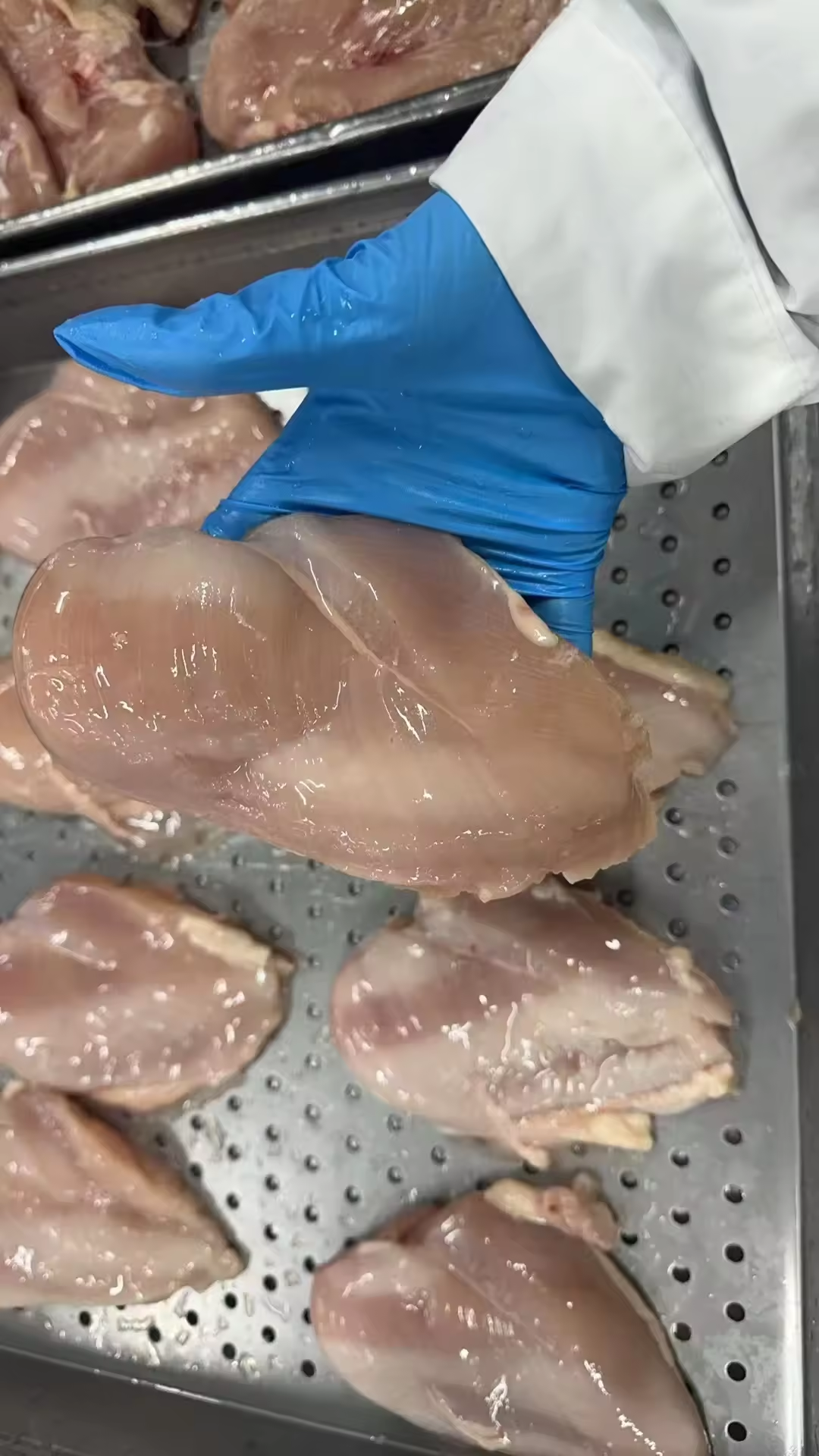
Selecting the right frozen poultry exporters for bulk orders is a critical decision that impacts product quality, supply chain reliability, and business profitability. In the global food trade, frozen poultry products represent a substantial market segment, with buyers ranging from large-scale food service operators to retail chains and processing facilities. The challenge lies not merely in finding suppliers who offer competitive pricing, but in identifying frozen poultry exporters who demonstrate consistent quality standards, regulatory compliance, logistical excellence, and long-term partnership reliability. This comprehensive guide explores the systematic approach to evaluating and selecting frozen poultry exporters capable of meeting demanding bulk order requirements while maintaining the highest standards of food safety and commercial integrity.
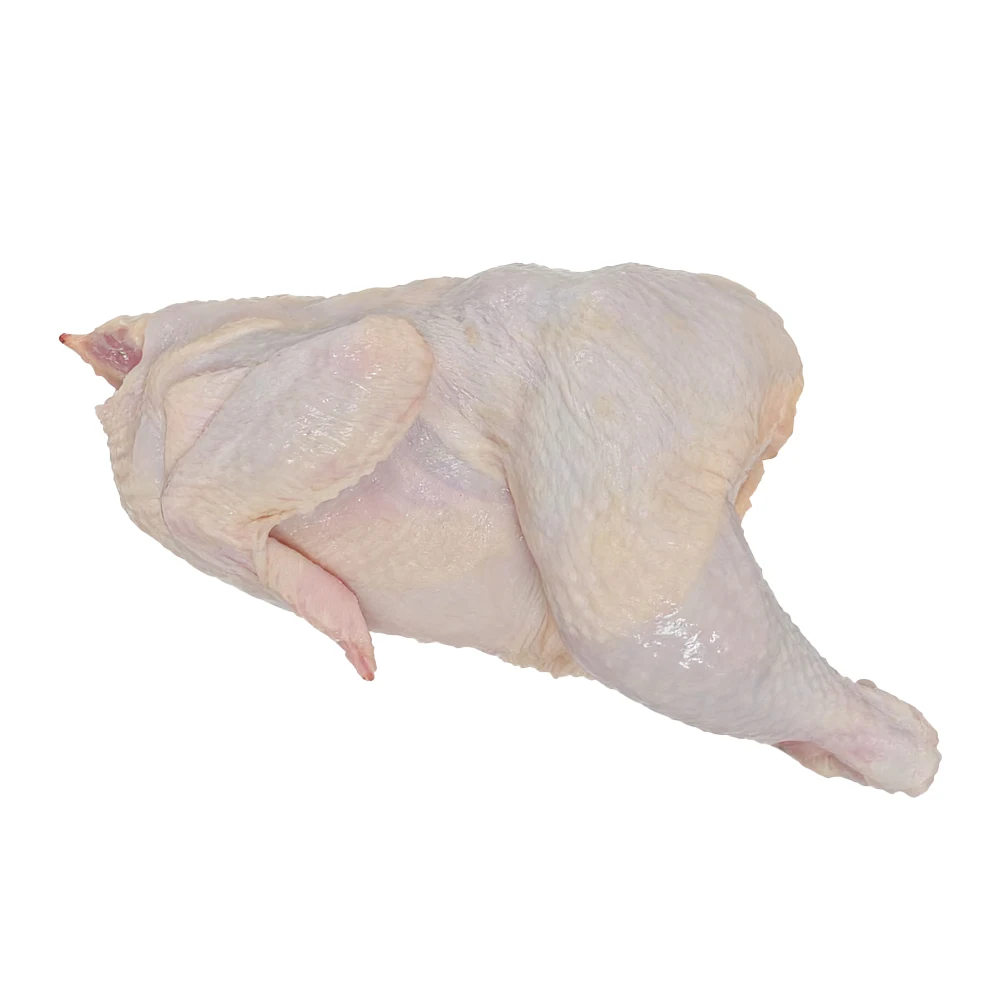
The selection process for frozen poultry exporters requires methodical evaluation across multiple dimensions including certification credentials, processing capabilities, cold chain infrastructure, export documentation expertise, and financial stability. Buyers must balance cost considerations with quality assurance, recognizing that the cheapest option rarely delivers the best long-term value in international poultry trade. Understanding what distinguishes reputable frozen poultry exporters from marginal operators enables procurement professionals to build supply relationships that withstand market volatility, regulatory scrutiny, and operational challenges inherent in cross-border cold chain logistics.
Understanding Certification and Compliance Standards
Essential Food Safety Certifications
When evaluating frozen poultry exporters, the foundation of trust begins with internationally recognized food safety certifications. Reputable exporters maintain current certifications such as HACCP (Hazard Analysis and Critical Control Points), ISO 22000 for food safety management systems, and country-specific export licenses issued by national veterinary authorities. These certifications demonstrate that frozen poultry exporters have implemented systematic controls throughout their processing operations, from live bird procurement through slaughter, processing, freezing, storage, and shipment. Buyers should request complete certification documentation and verify validity directly with issuing bodies rather than relying solely on supplier claims.
Beyond basic certifications, leading frozen poultry exporters often hold additional credentials such as BRC (British Retail Consortium) Global Standards for Food Safety or SQF (Safe Quality Food) certification, which indicate higher levels of operational sophistication and quality management. These advanced certifications require rigorous third-party audits and demonstrate commitment to continuous improvement in food safety protocols. When placing bulk orders, buyers should prioritize frozen poultry exporters who can provide traceability documentation linking specific production batches to certification audit results, ensuring accountability throughout the supply chain.
Import Country Regulatory Requirements
Trusted frozen poultry exporters maintain comprehensive knowledge of destination country import regulations and proactively ensure compliance before shipment. Different markets impose varying requirements for veterinary health certificates, microbiological testing standards, residue testing for antibiotics and pesticides, and labeling specifications. Experienced exporters maintain updated databases of regulatory requirements across their target markets and can demonstrate successful import clearance history. Buyers should request evidence of previous successful shipments to their specific destination country, including customs clearance documentation and any regulatory inspection reports.
The regulatory landscape for poultry imports changes frequently, with countries periodically updating testing protocols, imposing temporary restrictions due to disease outbreaks in exporting regions, or modifying documentation requirements. Reliable frozen poultry exporters demonstrate agility in adapting to these changes, maintaining communication channels with both their national authorities and destination country regulators. This proactive regulatory management minimizes the risk of shipment delays or rejections at the port of entry, which can result in substantial financial losses and supply chain disruptions for buyers placing bulk orders.
Evaluating Processing Capabilities and Infrastructure
Production Capacity and Consistency
Assessing the production capacity of frozen poultry exporters requires examining both maximum throughput and sustained output consistency. For bulk orders, buyers need suppliers capable of fulfilling large volumes within agreed timelines without compromising quality standards. During evaluation, request detailed information about daily processing capacity measured in tons, number of production lines, shift operations, and seasonal variation in output. Credible frozen poultry exporters provide facility tours or comprehensive video documentation showing production floor operations, equipment condition, and workflow efficiency.
Production consistency extends beyond volume to encompass product uniformity in size grading, processing specifications, and packaging standards. Frozen poultry exporters with mature operations maintain standardized operating procedures that ensure each production batch meets identical specifications. Request sample lots from different production dates to evaluate consistency in product appearance, weight uniformity, and packaging quality. Inconsistency in these factors often indicates operational instability or inadequate quality control systems, which pose significant risks for buyers dependent on predictable product characteristics for their downstream operations.
Cold Chain Infrastructure Assessment
The integrity of cold chain infrastructure distinguishes professional frozen poultry exporters from less reliable operators. Comprehensive evaluation should cover blast freezing capabilities, cold storage capacity and temperature control systems, backup power generation, and refrigerated transportation fleet. Modern blast freezing technology enables rapid temperature reduction that preserves product quality by minimizing ice crystal formation and cellular damage. Inquire about freezing rates, target core temperatures, and monitoring systems that document temperature compliance throughout the freezing process.
Cold storage facilities operated by reputable frozen poultry exporters feature automated temperature monitoring systems with continuous data logging, alarm systems for temperature deviations, and segregated storage zones for different product types or customer inventories. Adequate storage capacity ensures exporters can accumulate sufficient inventory to fulfill bulk orders without rushing production or compromising freezing protocols. Evaluate whether storage facilities maintain temperatures at minus eighteen degrees Celsius or colder consistently, and request temperature log data covering extended periods to verify system reliability and identify any historical temperature excursions that might compromise product quality.
Assessing Quality Control and Traceability Systems
Laboratory Testing Capabilities
Distinguished frozen poultry exporters operate in-house or contracted laboratory facilities capable of conducting comprehensive product testing throughout the production process. Essential testing parameters include microbiological analysis for pathogens such as Salmonella and Campylobacter, residue testing for veterinary drugs and pesticides, and physical-chemical analysis including moisture content, protein levels, and pH values. Buyers should inquire about testing frequency, sample sizes, and the specific analytical methods employed, ensuring they align with international standards and destination country requirements.
Beyond routine quality testing, leading frozen poultry exporters implement statistical process control methodologies that identify trends and potential quality deviations before they result in non-conforming products. Request access to quality control data spanning multiple production cycles, examining rejection rates, root cause analysis documentation for quality incidents, and corrective action implementation records. Exporters who maintain transparent quality data and demonstrate continuous improvement in defect reduction show operational maturity and commitment to excellence that translates into more reliable bulk order fulfillment.
Traceability and Documentation Systems
Comprehensive traceability systems enable frozen poultry exporters to track products from farm origin through processing, storage, and shipment to final destination. Effective traceability requires systematic record-keeping that links production batches to specific source farms, processing dates, quality test results, storage locations, and shipping containers. During supplier evaluation, request demonstration of traceability capabilities by selecting a random finished product lot and reviewing the complete documentation trail back to raw material sourcing. This exercise reveals the depth and reliability of record-keeping systems and the exporter's ability to respond to quality incidents or regulatory inquiries.
Digital traceability systems represent the current best practice among sophisticated frozen poultry exporters, offering real-time data access, automated documentation generation, and integration with customer inventory management systems. These systems enable rapid response to potential quality issues, facilitate regulatory compliance, and provide buyers with enhanced visibility into their supply chain. Evaluate whether potential exporters can provide electronic data interchange capabilities, API access for system integration, or web-based portals that allow customers to track order status, access certificates and test results, and review shipping documentation without manual information requests.
Verifying Financial Stability and Business Reputation
Financial Health Indicators
The financial stability of frozen poultry exporters directly impacts their ability to fulfill bulk orders consistently and weather market disruptions. Buyers should conduct financial due diligence by requesting recent financial statements, credit references from banking institutions, and trade references from current customers. Key financial indicators include working capital adequacy, debt-to-equity ratios, and consistent profitability over multiple years. Financially stable exporters demonstrate capacity to maintain inventory levels, invest in facility upgrades, and manage the extended payment terms often required in international trade.
Beyond financial statements, investigate the business longevity and ownership structure of frozen poultry exporters. Companies with established operational history spanning multiple years demonstrate proven business models and have survived various market cycles. Family-owned versus corporate structures each present different risk profiles and decision-making dynamics. Evaluate whether the exporter maintains diversified customer bases across multiple markets, which provides revenue stability and reduces dependency on any single buyer or destination country. Financial stability indicators help predict whether an exporter can sustain operations through market downturns, currency fluctuations, or supply disruptions that periodically impact the poultry industry.
Market Reputation and References
Investigating the market reputation of frozen poultry exporters provides crucial insights that financial data alone cannot reveal. Request detailed customer references, specifically seeking contacts from buyers who place bulk orders similar in scale to your requirements. Conduct thorough reference interviews focusing on delivery reliability, quality consistency, responsiveness to issues, and overall partnership experience. Reputable exporters willingly provide multiple references across different markets and customer types, demonstrating confidence in their service record.
Industry reputation extends beyond individual customer experiences to include standing within trade associations, participation in industry events, and recognition through quality awards or certifications. Membership in national export associations or international poultry trade organizations indicates commitment to industry standards and provides additional accountability mechanisms. Research online presence through business directories, trade platforms, and social media to assess how frozen poultry exporters present themselves professionally and engage with the broader industry community. Negative reviews, unresolved complaints, or absence of professional digital presence may signal reliability concerns warranting further investigation before committing to substantial bulk orders.
Evaluating Logistical Capabilities and Service Levels
Export Documentation and Customs Expertise
Professional frozen poultry exporters demonstrate comprehensive expertise in export documentation and customs procedures across multiple destination countries. The complexity of international poultry trade requires accurate preparation of commercial invoices, packing lists, bills of lading, certificates of origin, veterinary health certificates, and various import permits specific to destination markets. Evaluate whether potential exporters employ dedicated export documentation specialists who understand the nuances of different country requirements and can navigate regulatory complexities efficiently.
Documentation errors or omissions represent common causes of shipment delays, customs holds, and additional costs in international frozen poultry trade. Reliable frozen poultry exporters implement quality control procedures for documentation review before shipment, maintain updated templates compliant with current regulations, and utilize digital documentation systems that reduce transcription errors. Request examples of complete documentation sets from previous shipments to your destination country, evaluating accuracy, completeness, and professional presentation. Exporters who provide comprehensive documentation support reduce administrative burden on buyers and minimize risks of import clearance complications.
Shipping and Delivery Reliability
Logistical reliability distinguishes exceptional frozen poultry exporters from average suppliers. Assess shipping capabilities including relationships with reputable international shipping lines, container booking reliability during peak seasons, and experience with refrigerated container specifications appropriate for frozen poultry transport. Leading exporters maintain diversified carrier relationships that provide flexibility during capacity constraints and competitive freight rates for bulk shipments. Inquire about container stuffing procedures, temperature monitoring during transport, and protocols for handling transit delays or equipment failures.
Delivery performance metrics provide objective evidence of exporter reliability. Request data on on-time delivery rates, average transit times to your destination market, and historical records of temperature excursions during shipment. Professional frozen poultry exporters track these metrics systematically and demonstrate continuous improvement in logistics performance. Evaluate whether exporters provide shipment tracking capabilities, proactive communication about delays or issues, and flexible delivery scheduling that accommodates buyer warehouse receiving constraints. Logistical excellence in frozen poultry exports requires coordination across multiple parties and careful attention to cold chain integrity throughout the international transportation process.
FAQ
What certifications are most important when selecting frozen poultry exporters?
The most critical certifications for frozen poultry exporters include HACCP certification demonstrating hazard control throughout processing, ISO 22000 for comprehensive food safety management systems, and valid export licenses from national veterinary authorities. Additionally, certifications such as BRC Global Standards or SQF indicate higher operational maturity. Always verify that certifications are current and issued by accredited certification bodies. Request destination-country-specific approvals such as establishment numbers recognized by importing country authorities, as these directly enable legal import clearance for your bulk orders.
How can I verify the cold chain capabilities of frozen poultry exporters?
Verifying cold chain capabilities requires requesting detailed information about blast freezing equipment specifications, cold storage capacity and temperature control systems, backup power generation, and refrigerated transport fleet. Ask for temperature log data covering extended periods to assess consistency in maintaining required storage temperatures. If possible, conduct facility visits or request comprehensive video documentation showing freezing operations, storage facilities, and loading procedures. Professional frozen poultry exporters willingly demonstrate their infrastructure and provide documentation of equipment maintenance schedules and calibration records for temperature monitoring devices.
What minimum order quantities should I expect from frozen poultry exporters?
Minimum order quantities vary significantly among frozen poultry exporters based on their production scale and target markets. Container load quantities typically represent practical minimums for international shipments, with a standard twenty-foot refrigerated container holding approximately twenty-five to twenty-seven tons of frozen poultry products. Many exporters set minimum orders at one or more full container loads to optimize logistics efficiency and per-unit costs. Some larger frozen poultry exporters accommodate smaller initial trial orders to allow quality evaluation before committing to larger volumes, though pricing may be less competitive for below-standard quantities.
How long does it typically take to establish a reliable relationship with frozen poultry exporters?
Establishing a reliable working relationship with frozen poultry exporters typically requires three to six months involving initial qualification, sample evaluation, trial orders, and quality verification processes. The timeline includes due diligence on certifications and capabilities, negotiating commercial terms, conducting product trials to verify specifications, and completing at least one or two shipments to assess delivery reliability and documentation accuracy. Rushing this process increases risks of quality issues or supply disruptions. Plan relationship development timelines accordingly, maintaining alternative supply sources during the initial qualification period until the new exporter demonstrates consistent performance across multiple order cycles.
Table of Contents
- Understanding Certification and Compliance Standards
- Evaluating Processing Capabilities and Infrastructure
- Assessing Quality Control and Traceability Systems
- Verifying Financial Stability and Business Reputation
- Evaluating Logistical Capabilities and Service Levels
-
FAQ
- What certifications are most important when selecting frozen poultry exporters?
- How can I verify the cold chain capabilities of frozen poultry exporters?
- What minimum order quantities should I expect from frozen poultry exporters?
- How long does it typically take to establish a reliable relationship with frozen poultry exporters?