
 EN
EN
For food manufacturers operating at scale, supply chain consistency is not optional — it is foundational. frozen poultry has become one of the most strategically important protein inputs in modern food production. Its extended shelf life, standardized specifications, and global availability make frozen poultry a reliable backbone for manufacturers who cannot afford unpredictable supply gaps or inconsistent raw material quality.
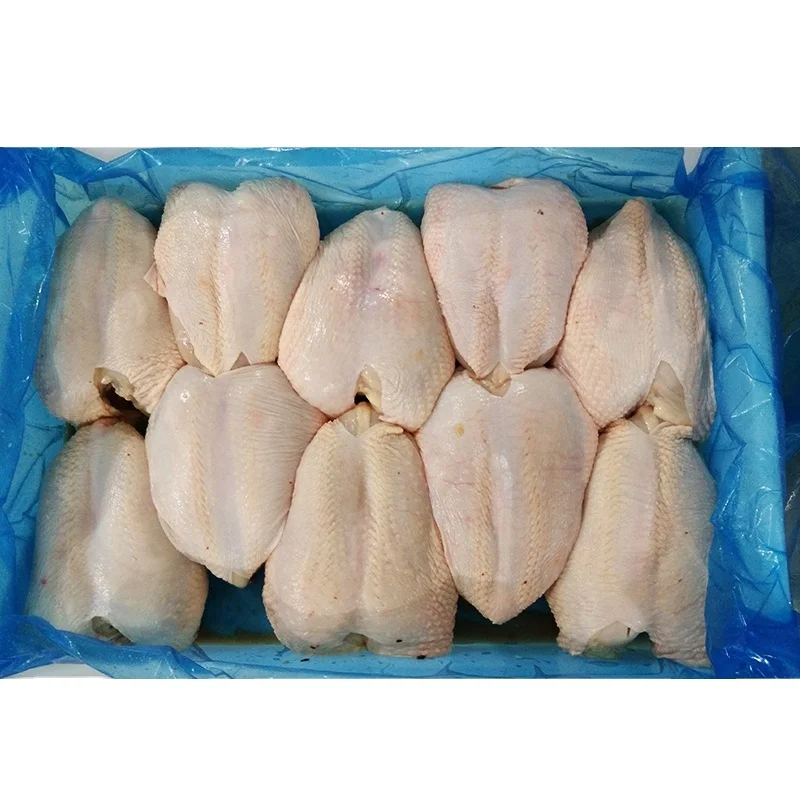
Understanding exactly how frozen poultry supports reliable supply requires looking beyond basic cold storage logistics. Frozen poultry addresses structural sourcing challenges that fresh poultry simply cannot solve at the same level of scale and predictability. From volume buffering to specification consistency, frozen poultry delivers operational advantages that directly strengthen a manufacturer's ability to meet production targets and customer commitments.
The Supply Stability Advantage of Frozen Poultry
Buffering Against Seasonal and Market Volatility
Fresh poultry supply is inherently seasonal and sensitive to market fluctuations, disease outbreaks, and regional production disruptions. Frozen poultry eliminates much of this vulnerability by allowing procurement teams to buy ahead of demand spikes and hold inventory without the urgency imposed by short shelf life. When frozen poultry is sourced strategically, manufacturers can maintain safety stock that protects production schedules even when live bird supply contracts or prices rise sharply.
This buffer function is especially valuable for large-volume food manufacturers producing ready meals, processed protein products, or institutional foodservice items. Frozen poultry enables procurement managers to lock in pricing during favorable market windows and reduce exposure to short-term supply shocks. The result is a more predictable cost structure alongside a more stable physical supply flow — both of which frozen poultry uniquely supports compared to fresh alternatives.
Extended Lead Time Compatibility
Food manufacturers working with international suppliers face inherent lead time challenges. Frozen poultry is specifically suited to these longer procurement cycles because it retains quality across shipping durations that would make fresh poultry completely impractical. With frozen poultry, sourcing teams can place orders weeks or months in advance without sacrificing product integrity upon arrival. This lead time compatibility allows manufacturers to diversify their supplier base globally, reducing dependence on any single origin and strengthening overall supply resilience.
Specification Consistency in Frozen Poultry
Why Standardized Cuts Matter in Food Manufacturing
Food manufacturing depends on repeatable input specifications. When frozen poultry arrives with consistent cut dimensions, fat content, moisture levels, and weight tolerances, production lines run more efficiently and finished product quality remains uniform. Frozen poultry processed under controlled conditions delivers the kind of specification stability that supports automated portioning, accurate yield forecasting, and reliable nutritional labeling — all critical requirements for manufacturers supplying retail or foodservice channels.
Inconsistent raw material is a hidden cost driver in food production. When frozen poultry does not meet agreed specifications, manufacturers face yield losses, rework, and potential compliance issues. Sourcing frozen poultry from suppliers with rigorous quality management and certified processing standards significantly reduces this risk. Consistent frozen poultry inputs translate directly into consistent throughput, lower waste rates, and more accurate production cost modeling.
Halal and Certification Alignment
Many food manufacturers serve markets where certification requirements are non-negotiable. Halal-certified frozen poultry allows manufacturers to supply Muslim-majority markets, institutional catering sectors, and export channels that enforce strict religious compliance standards. Sourcing frozen poultry with verified halal certification eliminates the need for separate supply chains or parallel inventory management. It streamlines procurement while ensuring that frozen poultry meets the compliance requirements of multiple end markets simultaneously.
Operational Benefits of Frozen Poultry for Food Manufacturers
Reducing Production Downtime Risk
Production downtime caused by raw material shortages is among the most costly disruptions a food manufacturer can face. Frozen poultry reduces this risk significantly because inventory can be pre-positioned ahead of production runs with a reliability that fresh supply cannot match. Manufacturers that build frozen poultry inventory planning into their operational model experience fewer last-minute sourcing crises and lower emergency procurement costs. Frozen poultry provides a stable foundation that keeps production lines moving even when supply markets tighten unexpectedly.
Beyond downtime prevention, frozen poultry also supports more flexible production scheduling. Because frozen poultry does not impose the same daily throughput urgency as fresh protein, manufacturers can adjust batch sizes, shift production timing, and respond to order changes without incurring spoilage losses. This scheduling flexibility is a genuine operational advantage that frozen poultry brings to medium and large-scale food production environments.
Cold Chain Integration and Storage Efficiency
Modern food manufacturers typically maintain cold storage infrastructure as a core operational asset. Frozen poultry integrates naturally into existing cold chain systems, making it straightforward to incorporate into warehouse management workflows. Properly stored frozen poultry maintains its quality for extended periods, enabling manufacturers to optimize purchasing volumes and reduce per-unit procurement costs through larger order quantities. The combination of storage efficiency and cost-per-unit economics makes frozen poultry a financially attractive raw material choice for manufacturers managing tight margins.
FAQ
How long can frozen poultry be stored without quality loss?
When frozen poultry is stored at a consistent temperature of minus eighteen degrees Celsius or below, it can maintain acceptable quality for up to twelve months depending on the cut and packaging type. Manufacturers should follow supplier-provided guidelines and rotate frozen poultry inventory using first-in, first-out protocols to preserve product integrity throughout the storage period.
What certifications should food manufacturers look for when sourcing frozen poultry?
Food manufacturers should prioritize frozen poultry suppliers holding recognized certifications such as halal accreditation, HACCP compliance, and relevant food safety management standards. These certifications indicate that the frozen poultry has been processed under controlled, audited conditions, reducing quality risk and simplifying compliance documentation for downstream market access.
Is frozen poultry suitable for all food manufacturing applications?
Frozen poultry is suitable for a wide range of food manufacturing applications including ready meal production, processed meat products, institutional catering supply, and protein ingredient manufacturing. The suitability of frozen poultry depends on cut type, specification requirements, and end-product standards, so manufacturers should align sourcing specifications closely with their production and labeling requirements before committing to a supply agreement.