
 EN
EN

Large-scale catering operations demand efficiency, consistency, and quality in every ingredient choice. When it comes to vegetables, frozen mixed vegetables have become the cornerstone of successful commercial kitchens worldwide. These pre-processed ingredients offer unparalleled convenience while maintaining nutritional value and flavor profiles that satisfy diverse customer preferences. Professional caterers understand that selecting the right frozen vegetable products can significantly impact both operational costs and customer satisfaction levels across various service environments.
Modern catering services face increasing pressure to deliver consistent quality while managing tight budgets and time constraints. The strategic use of frozen mixed vegetables addresses these challenges by providing standardized ingredients that reduce prep time, minimize waste, and ensure year-round availability. Understanding which frozen vegetable varieties perform best in large-scale operations requires careful consideration of factors including cooking methods, storage requirements, nutritional profiles, and cost-effectiveness across different menu applications.
Essential Frozen Vegetable Categories for Commercial Catering
Premium Mixed Vegetable Blends
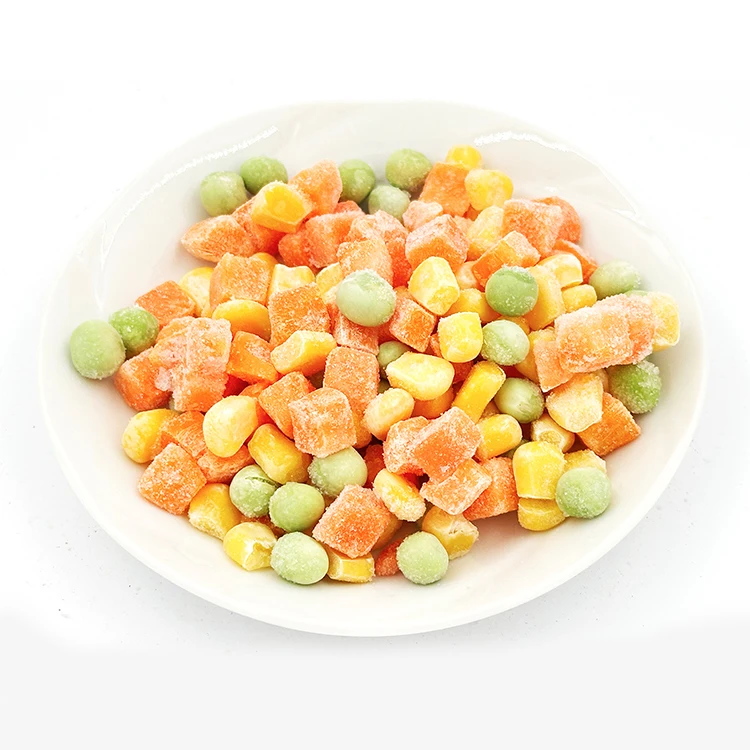
Premium frozen mixed vegetables represent the most versatile option for large-scale catering operations. These carefully curated combinations typically include peas, carrots, sweet corn, and green beans in precisely balanced proportions. The advantage of using high-quality mixed blends lies in their consistent sizing and uniform cooking characteristics, which ensure even heating and optimal texture retention across large batch preparations.
Professional caterers prefer IQF (Individually Quick Frozen) mixed vegetable products because they maintain superior texture and color integrity compared to block-frozen alternatives. The individual freezing process prevents vegetables from clumping together, allowing for easier portion control and reduced waste during service preparation. This technology also preserves the natural cellular structure of each vegetable component, resulting in better flavor release and nutritional retention.
When evaluating frozen mixed vegetables for commercial use, consider the vegetable cut consistency and size uniformity. Products featuring dice-cut carrots, whole kernel corn, and properly sized peas create visually appealing presentations while ensuring even cooking times. The color vibrancy of frozen mixed vegetables serves as an indicator of processing quality and storage conditions, with bright, natural colors signifying optimal freezing and handling practices.
Single Vegetable Frozen Options
Single vegetable frozen products offer maximum flexibility for custom menu development and specific dietary requirements. Frozen peas, carrots, corn kernels, and green beans purchased separately allow catering professionals to create customized vegetable combinations tailored to specific client preferences or cultural dietary traditions. This approach provides greater control over ingredient ratios and enables cost optimization based on seasonal pricing fluctuations.
Individual frozen vegetables excel in applications requiring specific cooking methods or timing considerations. For example, frozen peas require minimal cooking time compared to carrots, making separate products advantageous when preparing dishes with varying texture requirements. Single ingredient frozen vegetables also accommodate allergen considerations and dietary restrictions more effectively than pre-mixed combinations.
Storage efficiency becomes particularly important when managing single vegetable inventories. Professional caterers often establish rotating stock systems to ensure optimal quality maintenance while maximizing freezer space utilization. The ability to purchase single vegetables in bulk quantities often results in better unit costs compared to pre-mixed alternatives, especially for high-volume operations with predictable menu requirements.
Quality Standards and Specifications for Commercial Applications
Processing and Freezing Technology
The freezing technology employed in producing commercial-grade frozen mixed vegetables directly impacts their performance in large-scale catering applications. IQF processing methods ensure that vegetables maintain their individual identity while preventing the formation of ice crystals that can damage cellular structure. This technology is particularly crucial for maintaining the integrity of delicate vegetables like peas and corn kernels during storage and cooking processes.
Advanced blanching techniques used before freezing help preserve color, texture, and nutritional content in frozen mixed vegetables. The blanching process deactivates enzymes that could cause deterioration during frozen storage while maintaining optimal cooking characteristics. Professional-grade frozen vegetables undergo precise temperature control throughout the blanching and freezing process to ensure consistent quality across large production batches.
Temperature consistency during transportation and storage plays a critical role in maintaining frozen vegetable quality. Commercial caterers should verify that their frozen mixed vegetables suppliers maintain proper cold chain protocols, typically requiring storage temperatures of -18°C or lower throughout the distribution process. This temperature control prevents quality degradation and ensures food safety compliance in commercial food service environments.
Nutritional Profile and Health Considerations
Frozen mixed vegetables often retain higher nutritional values compared to fresh vegetables that have undergone extended transportation and storage periods. The rapid freezing process captures vegetables at peak ripeness when nutrient content is typically at its highest concentration. This characteristic makes frozen mixed vegetables an excellent choice for health-conscious catering clients and institutional food service programs with specific nutritional requirements.
The fiber content in frozen mixed vegetables remains largely unaffected by the freezing process, providing important dietary benefits for consumers. Vitamins A and C, commonly found in carrots and peas respectively, show good retention rates in properly processed frozen products. The mineral content, including potassium and folate, remains stable throughout the freezing and storage process when proper handling procedures are maintained.
Sodium content considerations become important when selecting frozen mixed vegetables for large-scale catering operations. Many commercial-grade frozen vegetable products contain minimal added sodium, making them suitable for low-sodium dietary requirements common in healthcare and senior living food service applications. Understanding the complete nutritional profile helps caterers make informed decisions that align with their clients' health objectives and dietary restrictions.
Cost-Effectiveness and Inventory Management
Economic Benefits of Frozen Vegetables
The economic advantages of using frozen mixed vegetables in large-scale catering extend beyond simple ingredient costs. Reduced labor requirements for preparation, cleaning, and trimming translate into significant operational savings when multiplied across large-volume food service operations. The elimination of seasonal price fluctuations provides budget predictability that enables more accurate cost projections and menu pricing strategies.
Waste reduction represents another major economic benefit of frozen mixed vegetables in commercial catering. Unlike fresh vegetables that may spoil before use, frozen products maintain quality for extended periods when properly stored. This characteristic reduces inventory shrinkage and allows for more efficient purchasing practices based on actual consumption patterns rather than perishability concerns.
Portion control becomes more precise with frozen mixed vegetables, as standardized packaging sizes enable accurate recipe scaling and cost calculation. The consistency of frozen products eliminates variations in yield that can occur with fresh vegetables due to trimming requirements and quality inconsistencies. This predictability supports more accurate food cost analysis and helps maintain target profit margins across different service volumes.
Storage and Inventory Optimization
Effective storage management for frozen mixed vegetables requires dedicated freezer space and proper inventory rotation systems. Commercial caterers should implement first-in, first-out (FIFO) protocols to ensure optimal quality maintenance while preventing product deterioration. Proper labeling and date tracking systems help maintain food safety compliance and quality standards across large inventory volumes.
Packaging considerations impact both storage efficiency and product quality maintenance. Frozen mixed vegetables packaged in portion-controlled bags or containers offer advantages for large-scale operations by reducing handling time and improving portion accuracy. Bulk packaging options may provide cost savings but require additional labor for portioning and potential quality risks from repeated freezer door openings during service preparation.
Temperature monitoring systems become essential for maintaining frozen mixed vegetables quality in commercial storage environments. Regular temperature logs and backup power systems help protect valuable inventory investments while ensuring food safety compliance. Proper air circulation within freezer units prevents temperature variations that could compromise product quality and shelf life expectations.
Application Methods and Cooking Techniques
Large-Batch Cooking Methods
Steam cooking represents the optimal preparation method for frozen mixed vegetables in large-scale catering operations. This technique preserves nutritional content while maintaining appealing texture and color characteristics. Steam cooking also allows for precise timing control, which is essential when preparing multiple dishes simultaneously in commercial kitchen environments. The even heat distribution achieved through steaming ensures consistent results across large batch sizes.
Stir-frying techniques work exceptionally well with frozen mixed vegetables when quick service is required. The high heat method quickly removes excess moisture while creating appealing texture contrasts that enhance customer satisfaction. Professional woks or large-capacity sauté pans enable efficient preparation of frozen mixed vegetables for immediate service, making this method ideal for à la carte dining operations or buffet-style presentations.
Roasting frozen mixed vegetables provides flavor development opportunities that appeal to contemporary dining preferences. The caramelization achieved through oven roasting creates enhanced taste profiles while maintaining nutritional benefits. This preparation method works particularly well for banquet-style service where advance preparation and holding capabilities are important operational considerations.
Integration with Menu Items
Frozen mixed vegetables integrate seamlessly into soups, stews, and casseroles commonly featured in large-scale catering menus. Their pre-processed nature eliminates extensive preparation time while providing consistent texture and flavor contributions to complex dishes. The uniform sizing of quality frozen mixed vegetables ensures even distribution throughout prepared foods, creating professional presentation standards expected in commercial food service.
Side dish applications for frozen mixed vegetables offer versatility in menu planning while providing nutritional balance to protein-centered entrées. Simple seasoning combinations and cooking methods allow frozen mixed vegetables to complement diverse cuisine styles without overwhelming primary flavors. This adaptability makes them valuable components for catering operations serving varied cultural preferences and dietary requirements.
Salad applications using blanched frozen mixed vegetables provide options for cold service presentations. Properly thawed and seasoned frozen mixed vegetables can create appealing salad components that offer consistent quality and reduced preparation time compared to fresh alternatives. This application proves particularly valuable for outdoor catering events where fresh vegetable storage and preparation present logistical challenges.
Supplier Selection and Quality Assurance
Vendor Evaluation Criteria
Selecting reliable suppliers for frozen mixed vegetables requires comprehensive evaluation of processing facilities, quality control systems, and distribution capabilities. Professional caterers should verify that potential suppliers maintain HACCP certification and follow established food safety protocols throughout their operations. Site visits to processing facilities provide valuable insights into quality standards and operational practices that directly impact product consistency.
Supply chain reliability becomes critical for large-scale catering operations that depend on consistent product availability. Evaluating suppliers' capacity to meet volume requirements during peak seasons and their contingency plans for supply disruptions helps ensure operational continuity. Geographic proximity to processing facilities can impact both cost and quality, as shorter transportation distances typically result in better cold chain maintenance.
Product testing and sampling programs help verify that frozen mixed vegetables meet specific quality standards required for commercial applications. Regular quality assessments should include texture evaluation, color consistency, and flavor profiling to ensure products maintain expected standards over time. Documentation of quality specifications and performance metrics creates accountability frameworks that support long-term supplier relationships.
Certification and Compliance Requirements
Food safety certifications play crucial roles in supplier selection for frozen mixed vegetables used in commercial catering. USDA, FDA, and relevant international certification standards demonstrate suppliers' commitment to quality and safety protocols required for commercial food service applications. Third-party auditing systems provide additional verification of processing standards and quality control systems.
Halal and kosher certifications may be necessary depending on the catering operation's target market and client requirements. These specialized certifications ensure that frozen mixed vegetables meet specific religious dietary requirements while maintaining standard quality expectations. Understanding certification requirements early in the supplier selection process prevents complications during contract negotiations and implementation.
Organic certification adds value for catering operations serving health-conscious clientele or institutional accounts with specific procurement requirements. Certified organic frozen mixed vegetables command premium pricing but offer marketing advantages and may be required for certain contract opportunities. The certification process involves rigorous documentation and inspection requirements that indicate higher quality control standards throughout the production process.
FAQ
How long can frozen mixed vegetables be stored in commercial freezers
Commercial-grade frozen mixed vegetables typically maintain optimal quality for 12-18 months when stored at consistent temperatures of -18°C or below. However, most suppliers recommend using products within 8-12 months for best texture and flavor results in professional catering applications. Proper inventory rotation using FIFO methods ensures products are used within optimal timeframes while maintaining quality standards expected in commercial food service operations.
What is the best thawing method for large quantities of frozen mixed vegetables
The most efficient thawing method for large-scale catering involves transferring frozen mixed vegetables from freezer to refrigerated storage 12-24 hours before use. This controlled thawing process maintains food safety standards while preserving texture quality. For immediate use applications, frozen mixed vegetables can be cooked directly from frozen state, which often produces better texture results than thawing and reheating processes.
How do frozen mixed vegetables compare nutritionally to fresh vegetables
Frozen mixed vegetables often retain higher nutritional values than fresh vegetables that have been transported and stored for extended periods. The rapid freezing process captures vegetables at peak ripeness when nutrient concentrations are typically highest. Vitamin retention rates for properly processed frozen mixed vegetables often exceed those of fresh vegetables that have undergone several days of transportation and storage before consumption.
What portion sizes should be planned when using frozen mixed vegetables for catering
Standard portion sizes for frozen mixed vegetables in catering applications typically range from 3-4 ounces per person for side dishes and 1-2 ounces per person when used as ingredients in mixed dishes. These portions provide adequate nutritional value while controlling food costs effectively. Adjustments may be necessary based on specific menu compositions, dietary requirements, and cultural preferences of the target audience being served.
Table of Contents
- Essential Frozen Vegetable Categories for Commercial Catering
- Quality Standards and Specifications for Commercial Applications
- Cost-Effectiveness and Inventory Management
- Application Methods and Cooking Techniques
- Supplier Selection and Quality Assurance
-
FAQ
- How long can frozen mixed vegetables be stored in commercial freezers
- What is the best thawing method for large quantities of frozen mixed vegetables
- How do frozen mixed vegetables compare nutritionally to fresh vegetables
- What portion sizes should be planned when using frozen mixed vegetables for catering