
 EN
EN

Sourcing frozen lamb for wholesale markets is a process that demands careful planning, supplier due diligence, and a clear understanding of product quality standards. Whether you are a distributor, retailer, or food service operator, the ability to consistently secure high-quality frozen lamb at competitive prices directly shapes your business performance. Mistakes in sourcing frozen lamb can lead to shipment rejections, customer complaints, and significant financial loss.
The global demand for frozen lamb continues to grow across foodservice, retail, and institutional channels. Buyers who understand how to evaluate frozen lamb quality, verify supplier credentials, and manage logistics will have a strong competitive advantage. This guide walks through the essential steps to source frozen lamb effectively for wholesale distribution, covering quality benchmarks, supplier selection, cold chain management, and compliance requirements.
Understanding Frozen Lamb Quality Standards
Key Quality Indicators for Frozen Lamb
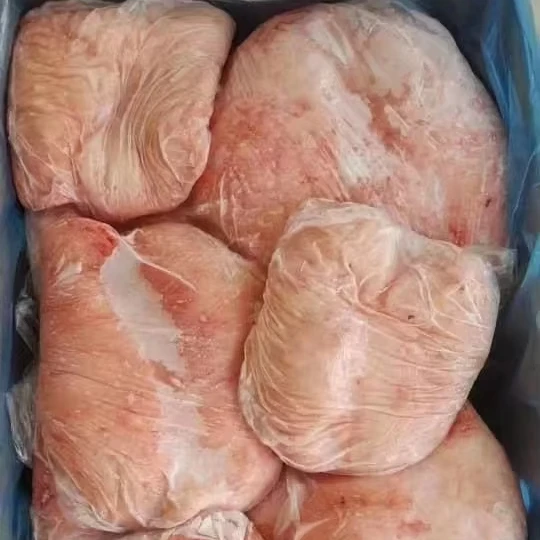
Before approaching any supplier, wholesale buyers must understand what defines premium frozen lamb. High-quality frozen lamb should display a consistent, bright red to deep pink color with firm, white fat coverage. The texture of frozen lamb must be tight and free from ice crystal damage, which indicates proper freezing practices were followed at the processing facility. Any discoloration, excessive ice glaze, or strong odors in frozen lamb are immediate red flags that signal poor handling or cold chain failures.
Frozen lamb is graded based on factors including age of the animal, fat content, cut uniformity, and post-slaughter handling speed. Younger animals typically yield frozen lamb with finer grain texture and milder flavor, which is preferred in premium foodservice markets. When evaluating frozen lamb samples, request detailed product specification sheets that document these grading parameters clearly.
Halal and Food Safety Certification for Frozen Lamb
For wholesale markets serving Muslim-majority regions or halal-certified food channels, sourcing certified halal frozen lamb is non-negotiable. Halal certification for frozen lamb must be issued by a recognized authority and cover the slaughter process, processing environment, and cold storage facility. Buyers sourcing frozen lamb for international distribution should also verify that the supplier holds HACCP, ISO 22000, or equivalent food safety management certifications. These standards ensure that frozen lamb is processed and stored in compliance with international food safety regulations, reducing import rejection risks significantly.
How to Evaluate and Select Frozen Lamb Suppliers
Supplier Qualification for Frozen Lamb Sourcing
Selecting the right supplier is the most critical step when sourcing frozen lamb for wholesale. Start by verifying that prospective frozen lamb suppliers hold valid export licenses issued by their country's agricultural or veterinary authority. A reliable frozen lamb supplier should be able to provide export health certificates, veterinary inspection records, and traceability documentation showing the origin and processing history of each frozen lamb batch. Requesting third-party audit reports or factory inspection summaries adds another layer of confidence when assessing frozen lamb sources.
When comparing frozen lamb suppliers, evaluate their processing capacity, cold storage infrastructure, and track record in international shipments. A supplier who regularly exports frozen lamb to multiple markets demonstrates the operational maturity needed to handle large wholesale orders reliably. Pay close attention to their minimum order quantities, packaging options, and lead times for frozen lamb, as these factors significantly affect your inventory planning and cash flow.
Sampling and Testing Frozen Lamb Before Committing
Never commit to a large frozen lamb purchase without first requesting product samples. A genuine frozen lamb supplier will readily provide samples along with full specification documentation. Upon receiving frozen lamb samples, conduct a thorough sensory evaluation covering color, odor, texture, and fat distribution. For markets with strict regulatory requirements, consider sending frozen lamb samples to an accredited laboratory for microbiological testing to confirm compliance with local food safety thresholds. This step protects your wholesale operation from receiving frozen lamb that may technically pass visual checks but fail regulatory inspections at the point of import.
Managing Cold Chain and Logistics for Frozen Lamb
Cold Chain Requirements for Bulk Frozen Lamb Shipments
Maintaining an unbroken cold chain is essential when importing frozen lamb at wholesale volumes. Frozen lamb must be stored and transported at a consistent temperature of minus 18 degrees Celsius or lower to preserve product integrity. Any temperature excursion during transit can cause partial thawing and refreezing of frozen lamb, which degrades texture, accelerates microbial growth, and shortens shelf life. When selecting freight partners for frozen lamb, prioritize carriers with verified refrigerated container fleets and real-time temperature monitoring capabilities.
Negotiate cold chain guarantees directly into your frozen lamb purchase agreement. Require that all frozen lamb shipments be accompanied by temperature logs documenting the full journey from the processing plant to your receiving facility. Conducting random receiving inspections of frozen lamb upon arrival, including core temperature checks, helps identify cold chain failures early before the product reaches your wholesale customers.
Import Documentation and Compliance for Frozen Lamb
Wholesale importers of frozen lamb must manage a precise documentation workflow to avoid delays and penalties. Standard import documents for frozen lamb include the commercial invoice, packing list, bill of lading, health certificate, and veterinary inspection certificate. If the frozen lamb is halal-certified, the halal certificate must also accompany each shipment. Buyers sourcing frozen lamb across multiple countries should work with a licensed customs broker who has specific experience handling frozen lamb import procedures, as requirements vary significantly between markets.
FAQ
What is the ideal storage temperature for frozen lamb in wholesale facilities?
Frozen lamb should be stored at minus 18 degrees Celsius or colder in wholesale facilities. Maintaining this temperature for frozen lamb prevents microbial activity, preserves product quality, and ensures compliance with most international food safety standards. Regular temperature audits of frozen lamb storage areas are recommended.
How can wholesale buyers verify the halal status of frozen lamb?
Buyers should request the original halal certificate issued by a recognized halal certification body for every frozen lamb shipment. The certificate should cover the full processing chain of the frozen lamb, including slaughter, processing, and storage. Cross-referencing the frozen lamb certificate with the issuing body directly adds an additional verification step.
What are the most common quality issues found in imported frozen lamb?
The most frequent quality issues in imported frozen lamb include freezer burn, excessive ice glaze, discoloration, and uneven cut sizes. Freezer burn in frozen lamb results from inadequate packaging or temperature fluctuation during transit. Requesting detailed packaging specifications and cold chain records from your frozen lamb supplier minimizes the risk of receiving substandard product.