
 EN
EN

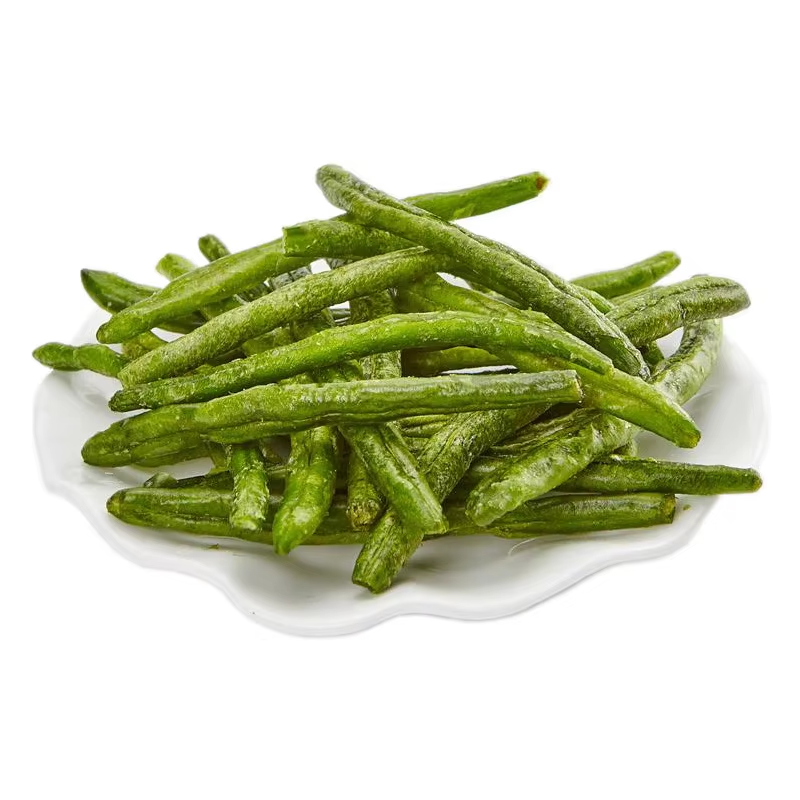
The healthy snack market continues to experience unprecedented growth as consumers increasingly prioritize nutritious alternatives to traditional fried snacks. For distributors seeking profitable opportunities, vegetable crisp products represent one of the most promising segments in the contemporary food industry. These innovative snacks combine consumer demand for health-conscious options with attractive profit margins that make them appealing to wholesale buyers and retailers alike.
The transformation of fresh vegetables into crispy, shelf-stable snacks through advanced processing techniques has created a lucrative niche that appeals to health-focused consumers across multiple demographics. Understanding which specific vegetable crisp varieties offer the best profit potential requires careful analysis of market trends, consumer preferences, production costs, and distribution logistics. This comprehensive examination will help distributors make informed decisions about which products to include in their portfolio.
Market Analysis of Premium Vegetable Crisp Categories
Root Vegetable Crisps Performance
Sweet potato crisps consistently rank among the highest-performing vegetable crisp products in terms of both consumer acceptance and distributor profitability. The natural sweetness and appealing texture of sweet potato crisps create strong repeat purchase behavior, while their perceived health benefits justify premium pricing strategies. Market data indicates that sweet potato variants typically command 15-25% higher wholesale prices compared to standard potato chips, translating to enhanced profit margins for distributors.
Beetroot crisps represent another high-value category within root vegetable offerings. Their vibrant color and distinctive earthy flavor profile appeal to gourmet snack enthusiasts willing to pay premium prices. The unique visual appeal of beetroot crisps makes them particularly attractive for upscale retail environments and specialty food stores, where higher margins are typically achievable.
Parsnip and carrot crisps, while less mainstream than sweet potato varieties, offer excellent profit potential in niche markets. These products often benefit from lower competition levels, allowing distributors to establish stronger relationships with retailers and maintain healthier pricing structures.
Green Vegetable Crisp Opportunities
Kale crisps emerged as a superfood phenomenon and continue to maintain strong market position despite increased competition. The association with health and wellness trends ensures consistent demand, particularly among urban, health-conscious demographics. Distributors focusing on kale crisps often achieve profit margins exceeding 40% due to consumer willingness to pay premium prices for perceived nutritional benefits.
Spinach and Brussels sprouts crisps represent emerging opportunities within the green vegetable segment. These products appeal to adventurous consumers seeking novel snacking experiences while maintaining the health halo effect that drives premium pricing. Early market entry in these categories can provide distributors with competitive advantages and superior profit margins.
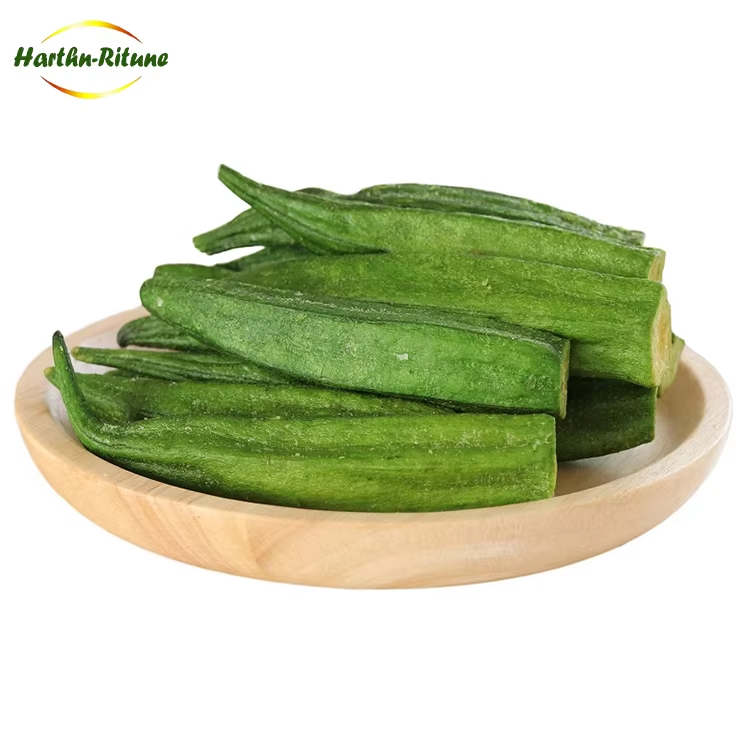
Okra crisps deserve special attention as they combine unique texture characteristics with broad international appeal. The natural mucilaginous properties of okra create distinctive crispness that differentiates these products from conventional vegetable chips. This uniqueness often translates to reduced price sensitivity among consumers and improved profitability for distributors.
Production Methods Impact on Profitability
Vacuum Frying Technology Advantages
Vacuum frying represents the gold standard in vegetable crisp production, offering significant advantages that directly impact distributor profitability. This advanced processing method operates at lower temperatures, preserving more nutrients and natural colors while creating superior texture profiles. Products manufactured using vacuum frying technology typically command premium prices that can exceed traditional fried alternatives by 30-50%.
The extended shelf life achieved through vacuum frying reduces inventory turnover pressures and minimizes product loss due to spoilage. Distributors benefit from reduced waste costs and improved cash flow management when handling vegetable crisp products manufactured using this technology. Additionally, the premium positioning of vacuum-fried products allows for higher markup percentages throughout the distribution chain.
The superior nutritional profile maintained through vacuum frying aligns perfectly with consumer health trends, creating marketing advantages that translate to increased sales velocity. Faster inventory turnover combined with higher margins creates optimal profitability conditions for distributors focusing on vacuum-fried vegetable crisps.
Freeze-Drying and Dehydration Methods
Freeze-dried vegetable crisps occupy a unique market position that offers exceptional profit potential for distributors willing to target premium segments. The freeze-drying process preserves virtually all nutritional content while creating intensely flavored, lightweight products that appeal to health enthusiasts and outdoor activity participants.
The extended shelf life of freeze-dried products reduces inventory management complexity and allows distributors to maintain larger stock levels without increased spoilage risk. This stability enables better negotiation positions with retailers and improved cash flow predictability.
Traditional dehydration methods, while less premium than vacuum frying or freeze-drying, still offer solid profit margins when applied to the right vegetable varieties. Dehydrated vegetable crisps typically target price-conscious consumers while maintaining healthier profiles than conventional snacks, creating broad market appeal that supports consistent sales volumes.
Consumer Demographics and Purchasing Patterns
Health-Conscious Millennial Market
Millennial consumers represent the primary growth driver for vegetable crisp products, with purchasing behaviors that strongly favor premium, health-focused alternatives to traditional snacks. This demographic demonstrates remarkable price tolerance when products align with their values regarding health, sustainability, and quality. Distributors targeting millennial-focused retail channels often achieve profit margins 20-30% higher than those serving more price-sensitive demographics.
The social media influence within millennial purchasing decisions creates viral marketing opportunities for visually appealing vegetable crisp products. Instagram-worthy packaging and unique vegetable varieties can generate organic marketing momentum that drives demand beyond traditional advertising reach. This social amplification effect often translates to increased sales velocity and improved inventory turnover for distributors.
Subscription box services and online retail platforms popular with millennials provide distribution channels that support premium pricing strategies. These platforms often feature curated selections of healthy snacks, creating opportunities for distributors to position vegetable crisp products alongside other high-margin specialty foods.
Family Market Segment Dynamics
Parents seeking healthier snack options for children represent a substantial and growing market segment for vegetable crisp products. This demographic typically prioritizes nutritional benefits over price considerations, particularly when products successfully replace less healthy alternatives in children's diets. Family-focused vegetable crisps often achieve strong repeat purchase rates that support sustained profitability.
The bulk purchasing patterns common among families create opportunities for distributors to develop larger package sizes with improved per-unit economics. Family packs and multi-variety assortments often command premium pricing while reducing per-unit packaging costs, enhancing overall profitability.
School lunch programs and institutional feeding operations represent emerging distribution channels where vegetable crisp products can achieve significant volume sales while maintaining reasonable margins. These institutional markets often prioritize nutritional compliance over lowest-cost alternatives, creating favorable conditions for vegetable crisp distribution.
Supply Chain and Logistics Considerations
Sourcing Strategy Optimization
Successful vegetable crisp distribution requires careful attention to raw material sourcing strategies that balance quality requirements with cost management objectives. Establishing direct relationships with agricultural producers can significantly reduce input costs while ensuring consistent quality standards that support premium pricing positions.
Seasonal availability patterns for different vegetables create both challenges and opportunities for distributors. Understanding harvest cycles and implementing strategic inventory management can help distributors capitalize on price fluctuations while maintaining consistent product availability throughout the year.
Geographic sourcing diversification reduces supply risk while potentially accessing vegetables with unique characteristics that differentiate products in competitive markets. Exotic or regionally specific vegetables often command premium prices that more than compensate for increased sourcing complexity.
Storage and Distribution Requirements
The shelf-stable nature of properly processed vegetable crisp products provides significant logistical advantages compared to fresh produce distribution. Ambient temperature storage requirements reduce facility costs and expand potential distribution reach into markets where refrigerated logistics would be prohibitively expensive.
Package integrity becomes crucial for maintaining product quality throughout the distribution chain. Investing in robust packaging solutions protects product quality while reducing damage-related losses that can significantly impact profitability. Premium packaging also supports higher retail pricing by conveying quality and value to consumers.
Transportation efficiency benefits from the lightweight, compact nature of vegetable crisp products. Higher value-to-weight ratios compared to many food products improve shipping economics and enable cost-effective distribution across longer distances, expanding potential market reach for distributors.
Competitive Positioning and Market Entry Strategies
Brand Differentiation Approaches
Private label opportunities in vegetable crisp products allow distributors to capture additional margin while building stronger retailer relationships. Many retailers actively seek unique healthy snack options for their private label programs, creating partnership opportunities that can provide sustained competitive advantages.
Organic certification represents a significant differentiator that consistently commands premium pricing across vegetable crisp categories. The additional costs associated with organic certification are typically more than offset by improved margins and reduced price competition, making organic vegetable crisps particularly attractive for profit-focused distributors.
Functional ingredient additions, such as probiotics or additional fiber, create opportunities to position vegetable crisp products in the rapidly growing functional food segment. These value-added products often achieve significantly higher margins while appealing to health-conscious consumers willing to pay premium prices for additional benefits.
Retail Channel Development
Natural and organic grocery chains represent the most profitable distribution channels for vegetable crisp products, with customers who demonstrate strong price tolerance for health-positioned products. These channels often provide better merchandising support and positioning compared to conventional grocery retailers.
Convenience stores increasingly seek healthier snack options to appeal to changing consumer preferences. Vegetable crisp products that successfully penetrate convenience channel distribution often achieve excellent profit margins due to limited healthy competition and impulse purchasing behaviors.
Online retail channels continue expanding rapidly, providing distributors with direct-to-consumer opportunities that eliminate traditional retail margins while building stronger customer relationships. E-commerce distribution requires different logistics capabilities but often supports premium pricing strategies that enhance overall profitability.
FAQ
What vegetable crisp varieties provide the highest profit margins for distributors
Sweet potato, kale, and beetroot crisps typically offer the highest profit margins, often exceeding 40% due to premium positioning and strong consumer demand. Vacuum-fried varieties command the highest prices, while organic certification can add an additional 15-25% margin premium. Exotic varieties like okra or Brussels sprouts crisps may offer even higher margins in markets with limited competition.
How do production methods affect distributor profitability in vegetable crisps
Vacuum frying technology produces the highest-value vegetable crisp products, commanding 30-50% price premiums over traditional methods. Freeze-dried products offer exceptional shelf life and premium positioning but require higher initial investment. Traditional dehydration methods provide solid margins with broader market appeal, making them suitable for volume-focused distribution strategies.
Which consumer demographics offer the best profit opportunities for vegetable crisp distributors
Health-conscious millennials represent the most profitable demographic, demonstrating strong price tolerance and purchasing frequency for premium vegetable crisp products. Families with children seeking healthy snack alternatives also provide excellent profit opportunities, particularly for bulk packaging formats. Institutional markets like schools and corporate wellness programs offer volume opportunities with reasonable margins.
What are the key supply chain considerations for maximizing vegetable crisp profitability
Direct sourcing relationships with agricultural producers can significantly reduce input costs while ensuring quality consistency. Seasonal inventory management strategies help capitalize on price fluctuations while maintaining product availability. Robust packaging investments protect product integrity and support premium positioning, while efficient logistics benefit from the lightweight, shelf-stable nature of properly processed vegetable crisp products.
Table of Contents
- Market Analysis of Premium Vegetable Crisp Categories
- Production Methods Impact on Profitability
- Consumer Demographics and Purchasing Patterns
- Supply Chain and Logistics Considerations
- Competitive Positioning and Market Entry Strategies
-
FAQ
- What vegetable crisp varieties provide the highest profit margins for distributors
- How do production methods affect distributor profitability in vegetable crisps
- Which consumer demographics offer the best profit opportunities for vegetable crisp distributors
- What are the key supply chain considerations for maximizing vegetable crisp profitability