
 EN
EN

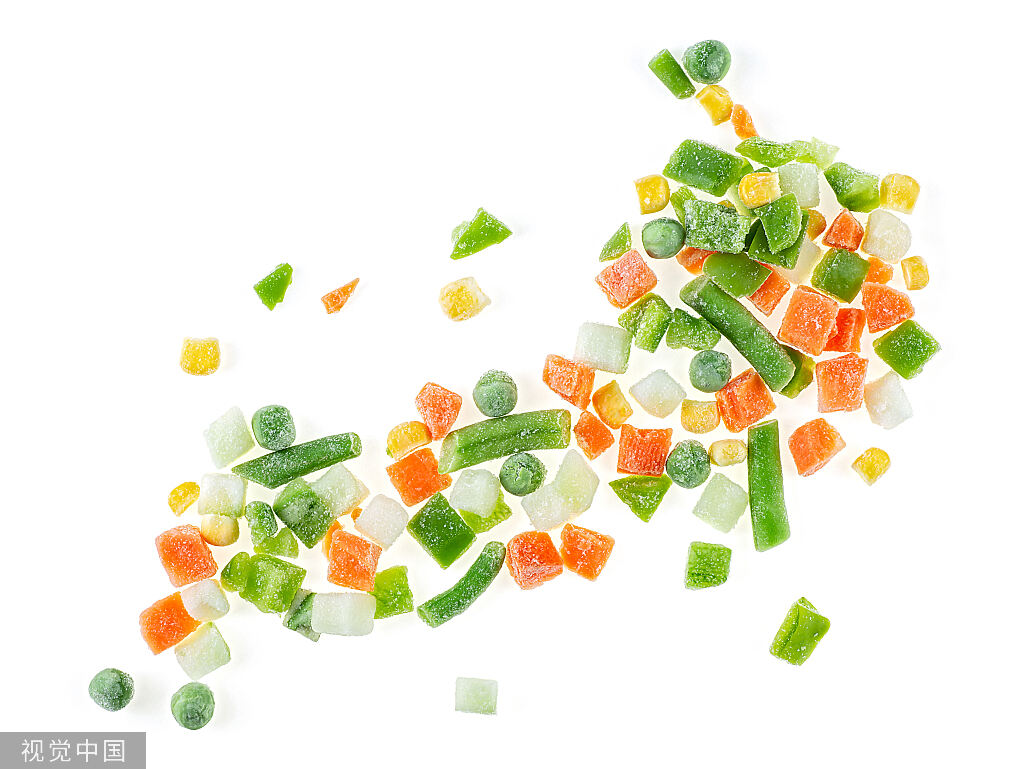
Maintaining the quality of vegetable crisp products during bulk storage requires a comprehensive understanding of preservation techniques, environmental controls, and proper handling procedures. The success of any vegetable crisp operation depends heavily on implementing systematic approaches that protect texture, flavor, and nutritional value throughout the storage period. Industry professionals must consider multiple factors including moisture control, temperature regulation, and packaging integrity to ensure their products meet consumer expectations consistently.
Commercial storage facilities face unique challenges when preserving large quantities of vegetable crisp products. Unlike traditional preservation methods for fresh produce, crispy vegetable products require specialized conditions that maintain their distinctive texture while preventing degradation. The delicate nature of these products makes them susceptible to various environmental factors that can compromise their quality within days if not properly managed.
Environmental Control Strategies for Optimal Storage
Temperature Management Systems
Temperature fluctuations represent one of the most significant threats to vegetable crisp quality during bulk storage operations. Maintaining consistent temperatures between 60-70°F creates an optimal environment that preserves the structural integrity of dehydrated vegetable products. Excessive heat accelerates oil oxidation in fried varieties, while cold temperatures can cause condensation issues that introduce unwanted moisture into storage containers.
Professional storage facilities implement multi-zone temperature monitoring systems that provide real-time data on environmental conditions throughout the storage area. These systems automatically adjust heating and cooling equipment to maintain steady temperatures, preventing the thermal shock that can cause vegetable crisp products to lose their characteristic crunch. Advanced facilities often incorporate backup temperature control systems to ensure continuous protection even during equipment maintenance periods.
Humidity Control Mechanisms
Moisture management plays a crucial role in preserving the quality characteristics that consumers expect from premium vegetable crisp products. Relative humidity levels should remain consistently below 60% to prevent moisture absorption that leads to texture deterioration. High humidity environments cause vegetables to become soggy and develop off-flavors that render products unmarketable within short timeframes.
Industrial dehumidification systems work continuously to extract excess moisture from storage environments while maintaining air circulation that prevents stagnant conditions. These systems often integrate with existing HVAC infrastructure to provide comprehensive environmental control without requiring separate utility systems. Regular calibration of humidity sensors ensures accurate readings that enable proactive adjustments before moisture levels reach critical thresholds.
Packaging and Container Selection
Barrier Protection Technologies
Selecting appropriate packaging materials significantly impacts the long-term quality retention of vegetable crisp products during extended storage periods. Multi-layer barrier films provide superior protection against oxygen infiltration and moisture transmission compared to standard packaging options. These advanced materials incorporate specialized polymers that create virtually impermeable barriers while maintaining flexibility for efficient handling operations.
Vacuum-sealed packaging removes atmospheric oxygen that causes oxidation reactions leading to rancidity and flavor deterioration. Modified atmosphere packaging systems replace oxygen with inert gases like nitrogen, creating protective environments that extend shelf life significantly beyond conventional storage methods. Professional facilities often invest in automated packaging equipment that ensures consistent seal quality and eliminates human error factors that compromise package integrity.
Container Sizing and Stacking Methods
Proper container selection involves balancing storage efficiency with product protection requirements specific to vegetable crisp characteristics. Large containers reduce handling frequency but increase the risk of product damage from compression during stacking operations. Smaller containers provide better protection but require more labor and storage space to accommodate equivalent product volumes effectively.
Strategic stacking patterns distribute weight evenly while maintaining air circulation pathways that support environmental control systems. Professional storage operations implement rotation schedules that ensure older inventory moves through the distribution chain before quality degradation occurs. Clear labeling systems enable efficient inventory management while reducing handling time that exposes products to environmental variations.
Quality Monitoring and Assessment Protocols
Sensory Evaluation Procedures
Regular quality assessments provide early detection of deterioration trends that allow corrective action before significant product loss occurs. Trained evaluators conduct systematic sensory testing that examines texture, flavor, aroma, and visual appearance using standardized protocols. These evaluations identify subtle changes that instrumental testing might miss while providing actionable feedback for storage optimization efforts.
Documentation of sensory evaluation results creates valuable trend data that supports continuous improvement initiatives and helps identify optimal storage duration limits. Professional facilities often maintain sensory panels with multiple evaluators to ensure consistent and reliable quality assessments. Training programs ensure evaluators understand the specific quality attributes that define premium vegetable crisp products in competitive markets.
Instrumental Testing Methods
Modern testing equipment provides objective measurements that complement sensory evaluations while supporting quality control decision-making processes. Texture analyzers measure crispness levels using standardized force measurements that correlate with consumer perception data. These instruments detect changes in product structure that occur gradually during storage periods before becoming apparent through sensory testing alone.
Moisture analysis equipment monitors water activity levels that indicate susceptibility to microbial growth and texture deterioration. Regular testing schedules ensure product safety while maintaining the low moisture content essential for vegetable crisp quality preservation. Advanced facilities integrate testing data with environmental monitoring systems to identify correlations between storage conditions and quality retention performance.
Inventory Management Best Practices
Rotation System Implementation
First-in-first-out inventory rotation prevents extended storage periods that exceed optimal quality retention timeframes for vegetable crisp products. Systematic tracking systems monitor production dates and storage duration to ensure products move through distribution channels while maintaining peak quality characteristics. Automated inventory management software streamlines rotation processes while reducing human error risks that can lead to quality issues.
Color-coded labeling systems provide visual indicators that simplify rotation procedures for warehouse personnel while ensuring compliance with established protocols. Regular inventory audits verify rotation system effectiveness while identifying opportunities for process improvements. Professional operations often implement barcode scanning systems that automatically update inventory records and trigger rotation alerts when products approach maximum storage duration limits.
Storage Layout Optimization
Strategic warehouse layout design facilitates efficient product movement while minimizing handling damage that compromises vegetable crisp quality. Wide aisles accommodate material handling equipment while reducing vibration exposure that can cause product fragmentation. Designated staging areas separate incoming products from stored inventory, preventing cross-contamination and enabling quality inspections before storage placement.
Zone-based storage systems group products by production date or quality characteristics to streamline inventory management and rotation procedures. Climate-controlled storage areas maintain optimal conditions for different product varieties while providing flexibility for seasonal volume fluctuations. Professional facilities design layouts that support future expansion while maintaining efficient operation of environmental control systems throughout the storage facility.
FAQ
What is the optimal storage temperature for maintaining vegetable crisp quality
The ideal storage temperature range for vegetable crisp products falls between 60-70°F with minimal fluctuation to prevent thermal stress that degrades texture and flavor quality. Temperatures above 75°F accelerate oil oxidation in fried products while temperatures below 55°F can cause condensation issues that introduce unwanted moisture into packaging systems.
How long can vegetable crisp products maintain quality in bulk storage
Properly stored vegetable crisp products typically maintain optimal quality for 6-12 months depending on processing methods, packaging systems, and storage conditions. Vacuum-fried products generally have longer storage life compared to traditionally fried varieties due to reduced oil content and lower processing temperatures that preserve nutritional integrity.
What are the most common causes of quality loss during bulk storage
Moisture infiltration represents the primary cause of quality deterioration in vegetable crisp products, followed by oxygen exposure that causes oil oxidation and rancidity development. Temperature fluctuations, inadequate packaging, and excessive handling also contribute significantly to texture loss and flavor degradation during extended storage periods.
How can facilities monitor storage conditions effectively
Professional storage facilities implement continuous monitoring systems that track temperature, humidity, and air quality throughout storage areas using wireless sensor networks. These systems provide real-time alerts when conditions exceed acceptable ranges while maintaining historical data that supports optimization efforts and regulatory compliance requirements for food safety standards.