
 EN
EN

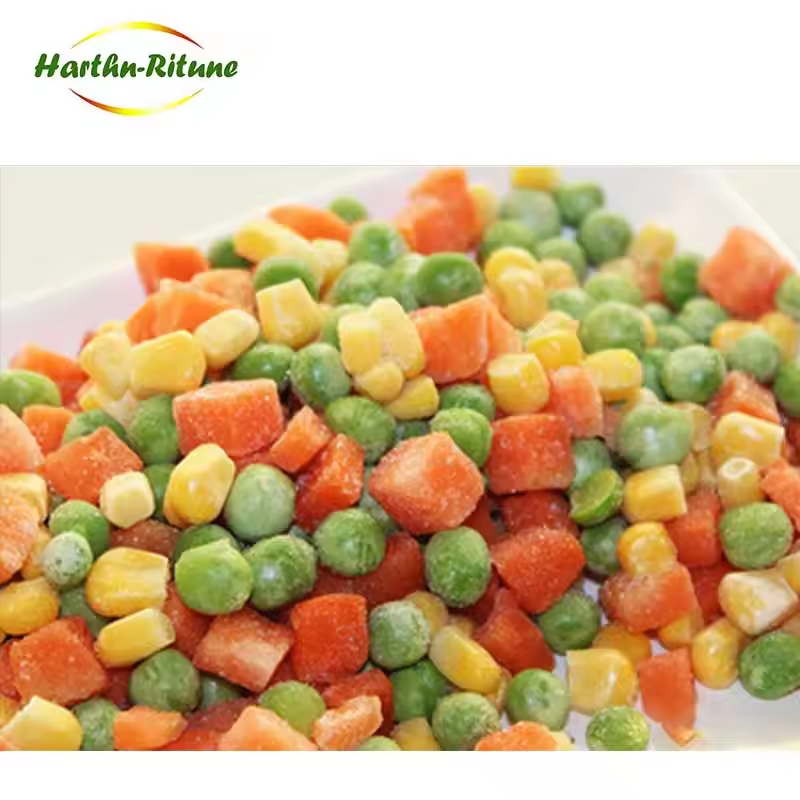
The food distribution industry is experiencing unprecedented growth in demand for premium preserved foods, with freeze dried fruits emerging as one of the most profitable and versatile categories for distributors to consider. These nutrient-rich products offer exceptional shelf stability, minimal storage requirements, and broad market appeal that spans from retail consumers to commercial food service operations. Understanding which freeze dried fruits deliver the highest value proposition can significantly impact distributor profit margins and customer satisfaction rates.
Market Demand Analysis for Premium Preserved Foods
Consumer Preferences in Health-Conscious Markets
Today's health-conscious consumers actively seek nutritious snack alternatives that maintain original vitamin content and natural flavors without artificial preservatives. Freeze dried fruits satisfy these requirements while offering extended shelf life that traditional fresh produce cannot match. Market research indicates that premium freeze dried fruits command higher retail prices while maintaining consistent demand across demographic segments.
Distribution partners consistently report that freeze dried fruits generate superior profit margins compared to conventional dried fruit alternatives. The lightweight nature of these products reduces shipping costs significantly, while their extended shelf life minimizes inventory turnover concerns and waste-related losses. These operational advantages translate directly into improved profitability for distribution networks.
Commercial Food Service Applications
Restaurant chains, bakeries, and food manufacturing companies increasingly incorporate freeze dried fruits into their product formulations due to consistent quality and year-round availability. Unlike seasonal fresh fruits, freeze dried fruits provide predictable pricing and supply continuity that commercial buyers require for long-term planning. This stability creates reliable revenue streams for distributors serving B2B markets.
Food service operations particularly value the convenience factor of freeze dried fruits, which require no refrigeration, minimize prep time, and deliver consistent portion control. These operational benefits drive repeat purchasing patterns and foster long-term distributor relationships with commercial accounts.
Product Categories with Highest Profit Potential
Premium Berry Varieties and Market Position
Strawberry and blueberry freeze dried fruits consistently rank among the highest-value products for distributors due to their broad consumer appeal and premium pricing tolerance. These berry varieties retain their vibrant colors and intense flavors through the freeze-drying process, creating products that command top-tier pricing in both retail and wholesale markets.
The nutritional profile of freeze dried fruits appeals to health-conscious consumers willing to pay premium prices for quality. Strawberries and blueberries offer particularly high antioxidant content that remains stable through the preservation process, supporting marketing messages about health benefits that drive consumer purchasing decisions.
Tropical and Exotic Fruit Segments
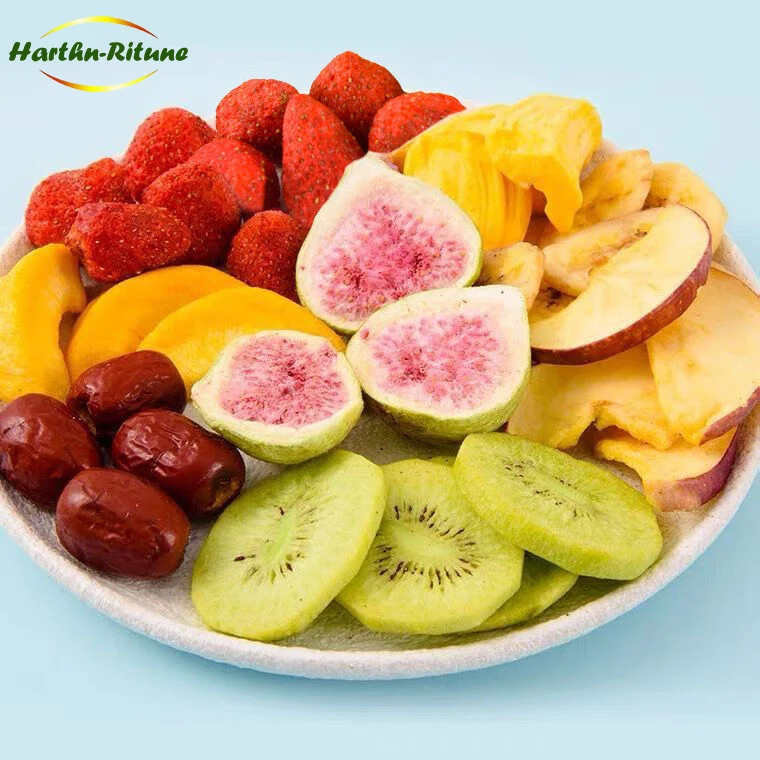
Kiwi, fig, and other exotic freeze dried fruits occupy a unique market position with limited competition and higher profit margins. These specialty products attract adventurous consumers and gourmet food enthusiasts who seek unique flavor experiences unavailable through conventional dried fruit options. Distributors often find these products generate disproportionate profits relative to their sales volume.
Mixed fruit combinations featuring tropical varieties create premium product lines that appeal to gift markets and specialty food retailers. The visual appeal and flavor complexity of these freeze dried fruits support higher pricing strategies that benefit the entire distribution chain.
Supply Chain Advantages and Cost Optimization
Storage and Logistics Benefits
Freeze dried fruits offer significant advantages in warehouse operations compared to fresh or traditionally dried alternatives. These products require no refrigeration, have minimal weight per unit value, and maintain quality for extended periods without special handling requirements. Distribution centers can maximize storage efficiency while minimizing operational costs through strategic freeze dried fruits inventory management.
The shelf stability of freeze dried fruits eliminates many logistical challenges associated with perishable produce distribution. Weather delays, transportation disruptions, and seasonal supply variations have minimal impact on product quality, allowing distributors to maintain consistent service levels regardless of external factors.
Inventory Management Efficiency
Long shelf life characteristics of freeze dried fruits enable distributors to purchase larger quantities during favorable pricing periods without quality degradation concerns. This purchasing flexibility supports better margin management and reduces the frequency of emergency restocking at premium prices. Strategic inventory planning becomes more effective with freeze dried fruits as core products.
Bulk packaging options for freeze dried fruits provide additional cost advantages for distributors serving high-volume accounts. Large commercial customers often prefer bulk formats that reduce per-unit costs while maintaining product quality and handling convenience.
Quality Standards and Supplier Selection
Processing Technology and Product Integrity
Advanced freeze-drying technology preserves the cellular structure of fruits while removing moisture content to levels that prevent spoilage without compromising nutritional value. Quality freeze dried fruits maintain their original shape, color intensity, and flavor profiles, creating products that meet premium market expectations and support higher pricing strategies.
Suppliers utilizing state-of-the-art freeze-drying equipment produce consistently superior products that reduce customer complaints and return rates. Distributors benefit from partnering with manufacturers who invest in modern processing technology and maintain rigorous quality control standards throughout production.
Certification and Compliance Requirements
Organic certification, food safety compliance, and quality assurance documentation become increasingly important as freeze dried fruits enter mainstream distribution channels. Suppliers who maintain comprehensive certification programs provide distributors with competitive advantages in quality-conscious market segments where premium pricing is sustainable.
International quality standards and traceability requirements for freeze dried fruits ensure products meet diverse regulatory environments that distributors may encounter. Working with compliant suppliers reduces legal risks and opens access to broader market opportunities including export potential.
Marketing and Sales Strategy Development
Target Customer Segmentation
Successful distribution strategies for freeze dried fruits require clear understanding of distinct customer segments including health-conscious consumers, outdoor recreation enthusiasts, emergency preparedness buyers, and gourmet food enthusiasts. Each segment responds to different marketing messages and pricing strategies that distributors can leverage for maximum profitability.
Retail partners often seek freeze dried fruits that appeal to multiple customer segments simultaneously, creating cross-selling opportunities and increased inventory turns. Products with broad appeal generate more consistent sales volumes and reduce marketing costs per unit sold.
Brand Positioning and Value Communication
Effective positioning of freeze dried fruits emphasizes convenience, nutrition retention, and premium quality rather than competing solely on price with conventional alternatives. Educational marketing about the freeze-drying process and its benefits helps justify premium pricing while building customer loyalty for distributor partners.
Packaging design and product presentation significantly impact perceived value for freeze dried fruits in retail environments. Distributors who support retail partners with attractive display materials and consumer education resources often achieve higher sales velocities and better shelf positioning.
FAQ
What makes freeze dried fruits more profitable than traditional dried fruits for distributors
Freeze dried fruits offer superior profit margins due to their premium positioning, extended shelf life, lightweight shipping characteristics, and broad market appeal. The freeze-drying process preserves more nutrients and flavor compared to conventional drying methods, allowing distributors to command higher prices while maintaining strong demand across diverse customer segments.
How long do freeze dried fruits maintain quality during storage
Properly processed and packaged freeze dried fruits maintain optimal quality for 25-30 years when stored in appropriate conditions, with practical shelf life of 2-3 years for commercial distribution purposes. This extended stability eliminates inventory waste concerns and allows distributors to purchase in larger quantities during favorable pricing periods without quality degradation risks.
Which freeze dried fruits offer the best value for bulk purchasing
Mixed fruit combinations featuring strawberry, banana, kiwi, fig, and apple varieties typically provide the best value proposition for distributors due to their broad market appeal, premium pricing potential, and efficient packaging characteristics. These popular combinations appeal to diverse customer segments while maintaining consistent demand patterns throughout the year.
What storage requirements do distributors need for freeze dried fruits
Freeze dried fruits require only standard warehouse storage conditions with protection from moisture and direct sunlight, eliminating the need for refrigeration or special climate control systems. This simplicity reduces operational costs significantly compared to fresh produce distribution while maintaining product quality throughout the storage period.