
 EN
EN

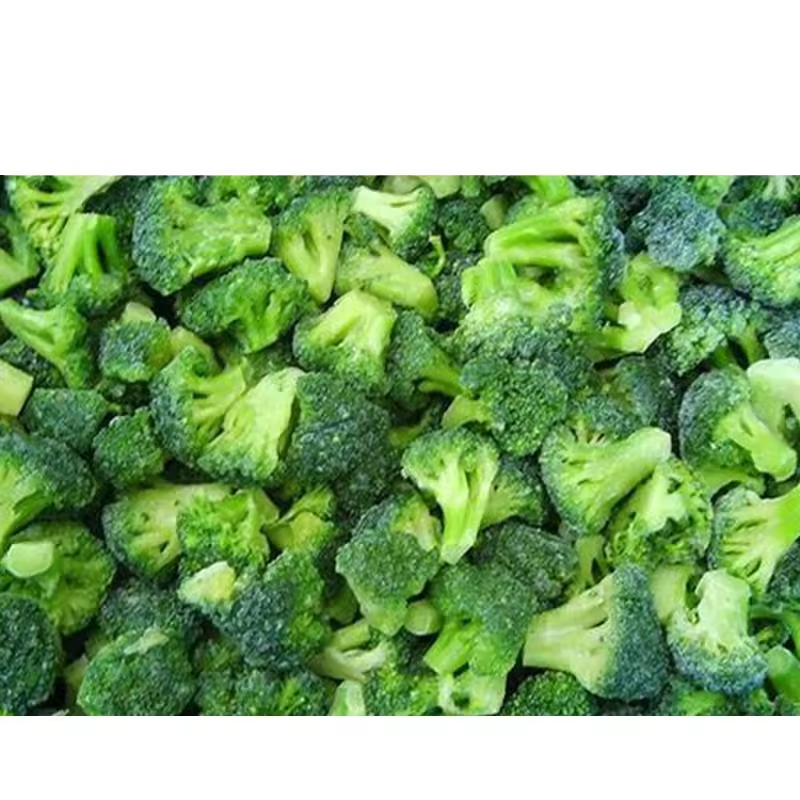
Selecting the right freeze dried food suppliers for your bulk purchasing needs requires careful consideration of multiple factors that directly impact product quality, cost-effectiveness, and long-term business relationships. The freeze-drying industry has experienced significant growth as consumers and businesses increasingly recognize the superior nutritional retention and extended shelf life that this preservation method offers. Whether you operate a food service establishment, retail business, or emergency preparedness company, partnering with reliable freeze dried food suppliers ensures consistent access to high-quality products that meet your specific requirements and customer expectations.
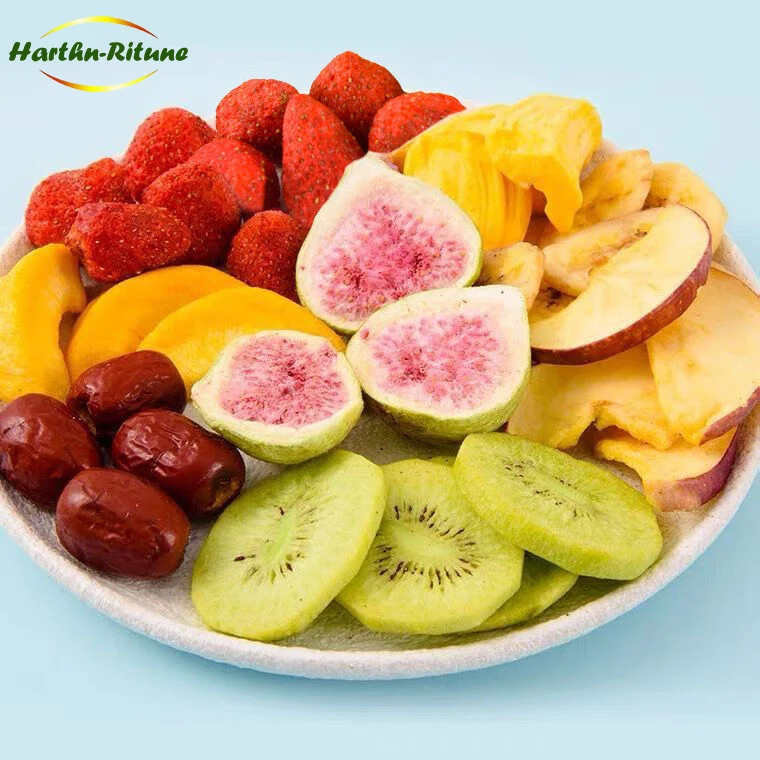
The freeze-drying process removes moisture while preserving the cellular structure of food, resulting in products that maintain their original taste, texture, and nutritional value. This technology has revolutionized food preservation, making it possible to store perishable items for years without refrigeration. Understanding the intricacies of this process helps buyers make informed decisions when evaluating potential suppliers and ensures they select partners who demonstrate expertise in freeze-drying technology and quality control measures.
Evaluating Supplier Credentials and Certifications
Food Safety Standards and Compliance
Reputable freeze dried food suppliers must maintain strict adherence to food safety regulations and industry standards. Look for suppliers who hold certifications such as HACCP (Hazard Analysis and Critical Control Points), FDA registration, and ISO 22000 food safety management systems. These certifications demonstrate the supplier's commitment to producing safe, high-quality products through systematic risk management and quality assurance protocols. Additionally, verify that suppliers comply with local and international food safety regulations relevant to your market, as this ensures seamless distribution and reduces regulatory compliance risks.
Third-party audits and inspections provide additional validation of supplier capabilities and quality standards. Request documentation of recent audit reports, corrective action implementations, and continuous improvement initiatives. Suppliers who welcome transparency regarding their manufacturing processes and quality control measures typically demonstrate higher levels of reliability and professionalism. Furthermore, inquire about traceability systems that allow tracking of raw materials from source to finished product, as this capability becomes crucial during quality investigations or product recalls.
Manufacturing Capabilities and Technology
Assess the technological sophistication of potential freeze dried food suppliers by examining their equipment, production capacity, and process controls. State-of-the-art freeze-drying equipment ensures consistent product quality and efficient production cycles, while adequate capacity prevents supply disruptions during peak demand periods. Inquire about backup systems, maintenance schedules, and contingency plans that protect against production delays or equipment failures.
Modern freeze-drying facilities should incorporate automated monitoring systems that track critical parameters such as temperature, pressure, and moisture content throughout the process. These systems provide real-time data collection and analysis capabilities that enable rapid response to process deviations and ensure consistent product specifications. Suppliers who invest in advanced technology and continuous process improvement demonstrate their commitment to delivering superior products and maintaining competitive advantages in the marketplace.
Quality Assessment and Product Specifications
Product Testing and Analysis
Comprehensive quality testing protocols distinguish professional freeze dried food suppliers from less reliable alternatives. Request detailed information about testing procedures for moisture content, microbial analysis, nutritional retention, and sensory evaluation. Reputable suppliers conduct batch testing to verify that products meet specified parameters before shipment and maintain detailed records of test results for quality assurance purposes.
Nutritional analysis becomes particularly important when evaluating freeze-dried products, as the preservation of vitamins, minerals, and other beneficial compounds directly impacts product value. Suppliers should provide certificates of analysis that document nutritional content and compare retained nutrients to fresh equivalents. Additionally, shelf-life studies and stability testing demonstrate the supplier's understanding of product degradation patterns and storage requirements necessary for maintaining quality over extended periods.
Customization and Product Development
Leading freeze dried food suppliers offer customization options that align with specific customer requirements and market preferences. This includes the ability to process custom blends, adjust particle sizes, modify packaging formats, and develop private label products. Evaluate suppliers' research and development capabilities, including their willingness to collaborate on new product development and their track record of successful custom projects.
Product development expertise extends beyond basic customization to include formulation optimization, process refinement, and scaling capabilities. Suppliers with strong technical teams can provide valuable input regarding ingredient selection, processing parameters, and packaging solutions that enhance product performance and market appeal. This collaborative approach often results in superior products that better serve end-user needs and create competitive differentiation in the marketplace.
Supply Chain Management and Logistics
Sourcing and Raw Material Quality
The quality of finished freeze-dried products directly correlates with the quality of raw materials used in production. Investigate how potential freeze dried food suppliers source their raw materials, including supplier qualification processes, quality specifications, and incoming inspection procedures. Suppliers who maintain direct relationships with growers and producers often achieve better quality control and cost management compared to those relying solely on commodity markets.
Seasonal availability and geographic diversity of raw material sources impact supply chain stability and product consistency. Suppliers with multiple sourcing locations and seasonal planning capabilities can better manage supply disruptions caused by weather events, crop failures, or other unforeseen circumstances. Additionally, inquire about organic certification, sustainable farming practices, and fair trade compliance if these attributes align with your brand values and customer expectations.
Inventory Management and Order Fulfillment
Efficient inventory management systems enable freeze dried food suppliers to maintain adequate stock levels while minimizing carrying costs and product age. Evaluate suppliers' inventory turnover rates, forecasting accuracy, and ability to accommodate fluctuating demand patterns. Advanced inventory management systems provide real-time visibility into stock levels, production schedules, and order status, facilitating better planning and communication throughout the supply chain.
Order fulfillment capabilities encompass packaging options, shipping methods, and delivery schedules that align with customer requirements. Flexible packaging solutions, including various container sizes, labeling options, and protective packaging materials, enhance product handling and storage efficiency. Additionally, assess suppliers' shipping partnerships, international logistics capabilities, and track record for on-time delivery performance to ensure reliable supply chain execution.
Cost Analysis and Value Proposition
Pricing Structure and Contract Terms
Comprehensive cost analysis extends beyond unit pricing to include total cost of ownership factors such as shipping, handling, storage, and quality-related expenses. Compare pricing structures among multiple freeze dried food suppliers while considering payment terms, volume discounts, and long-term contract benefits. Transparent pricing models that clearly delineate base costs, surcharges, and additional services facilitate accurate cost comparisons and budgeting processes.
Contract flexibility becomes increasingly important in volatile market conditions where raw material costs, demand patterns, and competitive dynamics change rapidly. Evaluate contract terms regarding price adjustment mechanisms, minimum order quantities, delivery schedules, and termination clauses. Suppliers who offer reasonable contract flexibility while maintaining fair pricing demonstrate their commitment to long-term partnerships and mutual success.
Return on Investment Considerations
Calculate the total return on investment when selecting freeze dried food suppliers by considering factors beyond initial purchase price. Product quality, shelf life, yield characteristics, and customer acceptance rates all impact the ultimate profitability of freeze-dried products. Higher-quality products may command premium pricing in the marketplace, while extended shelf life reduces inventory losses and enhances operational efficiency.
Market positioning and brand differentiation opportunities created through supplier partnerships contribute to long-term value creation. Suppliers who provide marketing support, technical assistance, and product education resources help customers maximize the commercial potential of freeze-dried products. Additionally, consider the supplier's reputation and market standing, as these factors influence customer perception and buying decisions in competitive markets.
Communication and Partnership Development
Technical Support and Customer Service
Exceptional customer service and technical support capabilities distinguish superior freeze dried food suppliers from average competitors. Evaluate the responsiveness, knowledge level, and problem-solving abilities of supplier personnel during initial discussions and proposal development. Suppliers with dedicated account management teams and technical specialists provide more personalized service and faster resolution of issues that may arise during ongoing business relationships.
Technical support services should encompass product application guidance, storage recommendations, handling procedures, and troubleshooting assistance. Suppliers with comprehensive technical knowledge can help customers optimize product performance, reduce waste, and improve overall efficiency. Additionally, assess the availability of training programs, documentation resources, and ongoing technical consultation services that support successful product implementation and utilization.
Communication Protocols and Transparency
Effective communication protocols ensure smooth coordination between freeze dried food suppliers and their customers throughout all phases of the business relationship. Establish clear expectations regarding order processing, production updates, shipping notifications, and issue resolution procedures. Suppliers who proactively communicate potential challenges, delivery delays, or quality concerns demonstrate professionalism and commitment to customer satisfaction.
Transparency in business operations, including production planning, capacity utilization, and quality metrics, builds trust and enables better collaborative planning. Regular business reviews, performance assessments, and strategic planning discussions help maintain alignment between supplier capabilities and customer requirements. This ongoing dialogue facilitates continuous improvement initiatives and adaptation to changing market conditions or business objectives.
FAQ
What certifications should I look for when evaluating freeze dried food suppliers
Key certifications to look for include HACCP, FDA registration, ISO 22000 food safety management, organic certification if applicable, and any relevant local or international food safety standards. Third-party audit reports and compliance documentation provide additional validation of supplier quality systems and manufacturing practices.
How can I assess the quality consistency of freeze dried products from different suppliers
Request product samples from multiple batches, review certificates of analysis for key quality parameters, examine testing protocols for moisture content and nutritional retention, and evaluate the supplier's quality control systems and process monitoring capabilities. Customer references and testimonials also provide valuable insights into long-term quality performance.
What factors affect pricing when purchasing freeze dried foods in bulk quantities
Pricing factors include raw material costs, processing complexity, packaging requirements, order volume, delivery terms, and seasonal availability. Additional considerations include payment terms, contract duration, customization needs, and value-added services such as private labeling or technical support that may impact overall cost structure.
How important is geographic location when selecting freeze dried food suppliers
Geographic location impacts shipping costs, delivery times, and supply chain risk management. However, product quality, supplier capabilities, and total cost of ownership often outweigh location advantages. Consider suppliers' distribution networks, logistics partnerships, and ability to serve your markets effectively regardless of their primary manufacturing location.
Table of Contents
- Evaluating Supplier Credentials and Certifications
- Quality Assessment and Product Specifications
- Supply Chain Management and Logistics
- Cost Analysis and Value Proposition
- Communication and Partnership Development
-
FAQ
- What certifications should I look for when evaluating freeze dried food suppliers
- How can I assess the quality consistency of freeze dried products from different suppliers
- What factors affect pricing when purchasing freeze dried foods in bulk quantities
- How important is geographic location when selecting freeze dried food suppliers