
 EN
EN

International food suppliers operate in a complex environment where reliability, food safety, cost management, and consistent quality determine competitive advantage. Among the various protein categories traded globally, frozen poultry has emerged as a cornerstone product that addresses multiple operational and strategic requirements simultaneously. The ability to source, store, and distribute poultry products in frozen form provides international suppliers with critical flexibility that fresh alternatives simply cannot match. Understanding why frozen poultry has become essential rather than optional requires examining the structural challenges of global food trade, the economic pressures facing distribution networks, and the evolving expectations of both retail and foodservice customers across diverse markets.
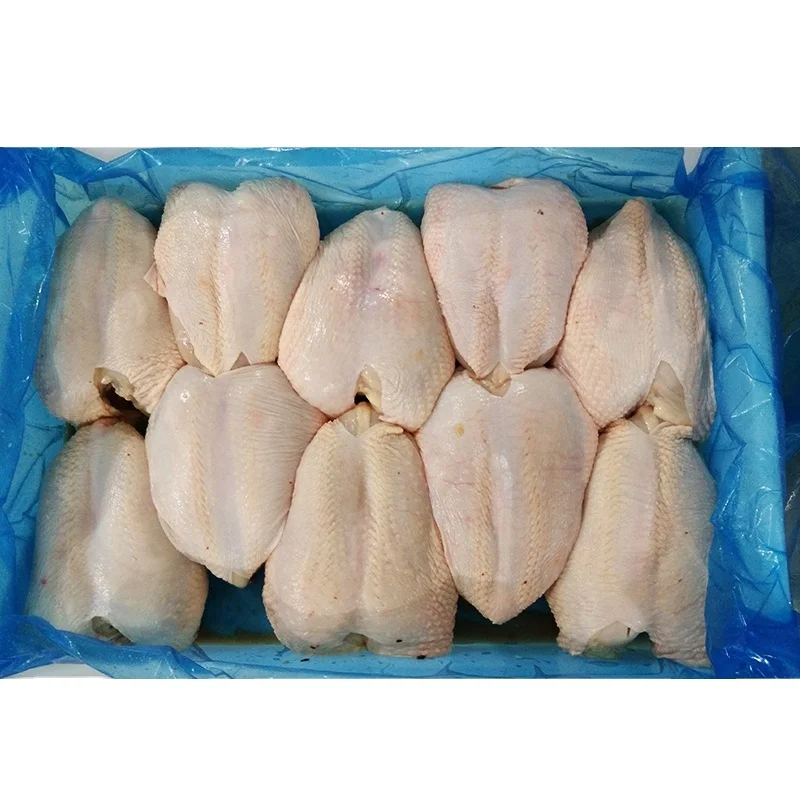
The strategic importance of frozen poultry extends beyond simple convenience, touching fundamental aspects of supply chain resilience, inventory management, market reach, and profitability. International food suppliers face unique pressures including extended transportation times, unpredictable demand fluctuations, strict regulatory compliance across multiple jurisdictions, and the constant need to minimize waste while maximizing product utilization. Frozen poultry addresses each of these challenges through its inherent characteristics of extended shelf life, standardized quality, flexible logistics, and broad application versatility. For suppliers serving diverse geographic markets with varying consumer preferences and regulatory frameworks, frozen poultry represents not merely a product category but a strategic enabler of sustainable international operations.
Supply Chain Stability and Extended Shelf Life
Mitigating Perishability Risks in Long-Distance Trade
International food distribution involves transit times that can extend from several days to multiple weeks depending on origin, destination, and transportation mode. Fresh poultry products have extremely limited viable distribution windows, typically measured in days rather than weeks, creating significant logistical constraints and waste risks. Frozen poultry eliminates this temporal pressure by extending product viability to months or even years when properly stored, fundamentally transforming the economics and feasibility of international trade. This extended shelf life allows suppliers to optimize shipping schedules based on cost efficiency rather than urgency, consolidate shipments to achieve better freight rates, and absorb unexpected delays without product loss.
The stability provided by freezing technology enables international suppliers to source from optimal production regions regardless of distance from end markets. Suppliers can strategically purchase frozen poultry during periods of favorable pricing or abundant supply, building inventory reserves that buffer against seasonal fluctuations and market volatility. This inventory flexibility is particularly valuable in managing the inherent unpredictability of agricultural production, where factors like disease outbreaks, weather events, or feed cost fluctuations can create sudden supply disruptions. By maintaining diversified frozen poultry stocks, international suppliers reduce dependency on any single supply source and enhance their ability to maintain consistent service levels to customers.
Inventory Management and Working Capital Optimization
Effective inventory management represents a critical success factor for international food suppliers, directly impacting both cash flow and operational efficiency. Fresh poultry requires rapid turnover and creates pressure to move product quickly, often forcing suppliers to accept suboptimal pricing or incur waste costs when demand timing misaligns with supply availability. Frozen poultry enables a strategic approach to inventory management where suppliers can maintain appropriate stock levels without the constant threat of imminent spoilage. This fundamental shift allows for more sophisticated demand forecasting, strategic purchasing decisions, and the ability to capitalize on bulk purchase discounts that significantly improve margin structure.
The working capital implications of frozen poultry inventory are substantial for international suppliers operating across multiple markets. Unlike fresh products that must be converted to cash within days, frozen poultry inventory represents a stable asset that can be strategically deployed as market conditions warrant. Suppliers can hold inventory through periods of weak demand without forced liquidation, waiting for more favorable pricing conditions or seasonal demand peaks. This flexibility fundamentally changes the relationship between suppliers and their customers, allowing for more consultative partnerships where suppliers can commit to availability and price stability rather than operating purely on a spot-market basis. For frozen poultry specialists serving international markets, this inventory stability creates competitive differentiation that transcends simple price competition.
Quality Consistency and Standardization Benefits
Predictable Product Specifications Across Shipments
International food suppliers serving institutional customers, foodservice operators, and retail chains face stringent requirements for product consistency. Customers develop recipes, portion specifications, and quality expectations that demand reliable product characteristics across repeated orders and extended timeframes. Fresh poultry naturally exhibits variation based on seasonal factors, feed composition changes, and biological variability that can create challenges for customers requiring precise specifications. Frozen poultry products, processed and frozen under controlled conditions, deliver far greater consistency in attributes like piece weight, moisture content, texture characteristics, and appearance factors that matter to professional food preparation environments.
This standardization advantage proves particularly valuable when suppliers serve customers across multiple countries with varying culinary traditions but consistent operational requirements. A quick-service restaurant chain expanding internationally needs frozen poultry products that deliver identical cooking performance and finished characteristics whether prepared in facilities located in different hemispheres. The quality stability inherent in properly processed and stored frozen poultry enables suppliers to offer genuine specification guarantees rather than the qualified commitments necessary with fresh products. For international suppliers, this translates to reduced customer complaints, fewer rejected shipments, stronger customer retention, and the ability to command premium pricing for reliability.
Food Safety and Traceability Advantages
Food safety represents the paramount concern for international suppliers, where regulatory compliance, liability exposure, and brand reputation all depend on maintaining impeccable safety standards. Frozen poultry offers inherent food safety advantages through the microbial growth inhibition created by frozen storage temperatures. While freezing does not eliminate pathogens, it prevents their multiplication, creating a stable microbiological environment throughout the distribution chain. This stability reduces the risk of time-temperature abuse that represents the primary food safety concern with fresh poultry, where even brief temperature excursions can allow rapid bacterial growth.
The traceability requirements increasingly mandated by international food safety regulations are more readily implemented with frozen poultry supply chains. Products can be tracked from processing facility through various distribution nodes without the time pressure that fresh products impose. If a food safety issue is identified, frozen poultry inventory can be quarantined and investigated without the immediate public health urgency that accompanies fresh product recalls. International suppliers dealing with frozen poultry can implement more comprehensive lot tracking, sampling protocols, and quality verification procedures precisely because the extended shelf life permits thorough testing before product reaches end consumers. This enhanced control over food safety verification provides both risk mitigation and competitive advantage when serving quality-conscious customers in regulated markets.
Economic Efficiency and Cost Management
Transportation and Logistics Cost Optimization
Transportation costs represent a major expense category for international food suppliers, and frozen poultry offers multiple opportunities for logistics optimization that fresh products cannot match. The absence of time pressure allows suppliers to choose slower, more economical transportation modes including ocean freight rather than requiring expensive air cargo to meet freshness deadlines. Consolidation opportunities expand dramatically when product shelf life extends to months, enabling suppliers to aggregate orders from multiple customers into full container loads that achieve far better per-unit freight costs than the partial shipments often necessary with fresh products.
Cold chain management for frozen poultry, while requiring consistent temperature maintenance, proves more forgiving and less costly than the precision required for fresh products. Fresh poultry demands narrow temperature ranges just above freezing with catastrophic consequences if temperatures drift slightly upward. Frozen poultry maintained at standard frozen storage temperatures provides a wider operational margin and reduces the need for expensive specialized equipment or premium logistics services. International suppliers benefit from access to a broader network of logistics providers, warehousing facilities, and transportation equipment when handling frozen poultry, increasing competitive options and reducing dependency on specialized service providers who command premium pricing.
Waste Reduction and Yield Maximization
Product waste represents both an economic loss and an environmental concern for international food suppliers. Fresh poultry inevitably generates waste through spoilage, quality degradation, and the need to dispose of inventory that ages beyond acceptable limits before sale. This waste not only represents lost product cost but also wasted processing, transportation, and handling expenses invested in products that generate no revenue. Frozen poultry dramatically reduces waste throughout the supply chain by eliminating time-driven spoilage and allowing suppliers to maintain inventory until optimal sales opportunities emerge.
The yield advantages extend beyond simple spoilage prevention to encompass more strategic inventory utilization. International suppliers can segment frozen poultry inventory based on customer preferences, redirecting products between markets as demand patterns shift without concern for imminent expiration. Products initially intended for one market can be reallocated to another where unexpected demand emerges or better pricing becomes available. This flexibility maximizes revenue realization from inventory investment and allows suppliers to respond dynamically to market opportunities. For suppliers operating across multiple countries and customer segments, this inventory fungibility represents a substantial competitive advantage that directly impacts profitability and return on working capital.
Market Access and Customer Service Enhancement
Serving Diverse Geographic Markets Simultaneously
International food suppliers succeed by building broad customer bases across multiple countries and regions, diversifying revenue sources and reducing dependency on any single market. Frozen poultry enables this geographic diversification by allowing suppliers to maintain inventory that serves customers with widely varying order patterns and lead time requirements. A supplier can simultaneously serve customers requiring weekly deliveries in nearby markets and customers requiring monthly shipments to distant locations, all from the same inventory pool. This operational flexibility would be impossible with fresh poultry, where geographic reach is constrained by maximum viable distribution distances based on product shelf life.
The ability to serve remote or challenging markets creates competitive opportunities that enhance supplier value proposition. Customers in markets with limited local poultry production or inadequate cold chain infrastructure particularly value reliable frozen poultry suppliers who can deliver consistent quality despite logistical challenges. International suppliers who master frozen poultry distribution can access premium-priced markets that competitors focused on fresh products cannot efficiently serve. This geographic reach also provides natural hedging against regional economic downturns or political instability, as suppliers can shift focus between markets based on changing conditions while maintaining the same core inventory capabilities.
Flexible Order Fulfillment and Customer Responsiveness
Customer service excellence in international food supply depends on the ability to fulfill orders reliably, accommodate varying order sizes, and respond to unexpected demand changes. Frozen poultry inventory provides the buffer that enables superior customer service without the constant threat of stockouts or inability to meet order commitments. Suppliers can confidently accept large orders knowing inventory will remain viable during fulfillment, and can accommodate rush orders from existing stock without requiring emergency sourcing from suppliers who may charge premium pricing for expedited delivery.
The product format flexibility inherent in frozen poultry further enhances customer service capabilities. International suppliers can stock whole birds, fabricated portions, and value-added products simultaneously, allowing customers to select formats that best match their operational requirements. As customer needs evolve or new applications emerge, suppliers can adjust product mix within their frozen poultry portfolio without abandoning existing inventory. This adaptability strengthens customer relationships by positioning suppliers as flexible partners rather than rigid commodity vendors. For international suppliers building long-term customer relationships across diverse market segments, the service level advantages enabled by frozen poultry inventory create sustainable competitive differentiation beyond price competition alone.
Regulatory Compliance and Market Certification
Meeting International Trade Standards and Requirements
International poultry trade operates under complex regulatory frameworks including import permits, health certificates, facility approvals, and product testing requirements that vary significantly between countries. Frozen poultry offers distinct advantages in meeting these requirements compared to fresh alternatives. The extended shelf life allows time for comprehensive documentation review, testing completion, and customs clearance without product degradation. When shipments face unexpected customs delays or documentation issues requiring resolution, frozen poultry remains viable while fresh products would spoil, creating total losses rather than delayed deliveries.
Many importing countries maintain approved facility lists or require specific certifications that frozen poultry processors typically obtain as standard business practice, whereas fresh poultry operations may face additional scrutiny or limitations. International suppliers sourcing frozen poultry from established processing facilities benefit from existing regulatory approvals and quality system certifications that facilitate market access. The standardized nature of frozen poultry processing also aligns well with regulatory inspection protocols, as authorities can verify consistent procedures and documentation rather than evaluating highly variable fresh product handling practices. For suppliers entering new international markets, frozen poultry often provides the path of least resistance through regulatory approval processes.
Religious and Cultural Certification Requirements
Significant global poultry demand originates from markets requiring religious certifications, particularly halal certification for Muslim-majority countries and kosher certification for Jewish dietary requirements. Frozen poultry from certified facilities provides international suppliers with access to these valuable markets, where premium pricing often compensates for certification costs and specialized handling requirements. The frozen format facilitates certification compliance by allowing certified products to be segregated, stored separately, and tracked through distribution channels without mixing with non-certified inventory.
Religious certification requirements often include strict slaughter protocols, dedicated processing equipment, and comprehensive traceability systems that align naturally with frozen poultry operations. International suppliers can source frozen poultry from facilities maintaining permanent certification rather than attempting to arrange temporary certification for fresh product runs. This reliability in certification status provides suppliers with consistent access to certified products matching customer requirements, avoiding the allocation uncertainties and premium pricing that can characterize spot markets for certified fresh poultry. For international suppliers serving diverse customer bases including those with religious dietary requirements, frozen poultry inventory certified to multiple standards provides maximum market flexibility and revenue opportunity.
FAQ
What are the primary advantages of frozen poultry over fresh poultry for international distribution?
Frozen poultry offers extended shelf life measured in months rather than days, eliminating the time pressure that constrains fresh poultry distribution. This allows international suppliers to optimize transportation modes for cost rather than speed, consolidate shipments for better freight rates, maintain strategic inventory buffers against supply disruptions, and serve geographically diverse markets from centralized inventory. The stability of frozen products reduces waste from spoilage, enables quality consistency across shipments, and provides flexibility to redirect inventory between markets as demand patterns change. These advantages translate directly to improved profitability, reduced operational risk, and enhanced customer service capabilities that fresh poultry distribution cannot match.
How does frozen poultry contribute to food safety in international supply chains?
Frozen storage temperatures inhibit microbial growth, creating a stable microbiological environment throughout distribution that reduces food safety risks compared to fresh products vulnerable to time-temperature abuse. The extended shelf life allows time for comprehensive pathogen testing before products reach consumers, enabling suppliers to implement more thorough quality verification protocols. Traceability systems function more effectively with frozen poultry because products can be tracked through multiple distribution nodes without urgency, and any identified safety concerns can be addressed through targeted inventory holds rather than emergency recalls. The consistent processing and storage conditions associated with frozen poultry also align well with regulatory inspection requirements and facility certification standards enforced by importing countries.
Can frozen poultry meet the quality expectations of premium foodservice customers?
Modern freezing technology and proper storage practices preserve the quality attributes of poultry products effectively when correctly implemented. Premium frozen poultry processed using rapid freezing methods and maintained at consistent frozen temperatures delivers cooking performance, texture, and flavor characteristics that meet professional foodservice standards. Many leading restaurant chains, hotels, and institutional foodservice operators specify frozen poultry precisely because it provides the consistency and reliability their operations require. The key quality factors depend on proper processing methods, appropriate packaging to prevent freezer burn, and maintaining correct storage temperatures throughout distribution. International suppliers working with reputable processing facilities and implementing proper cold chain management deliver frozen poultry products that satisfy even quality-conscious premium customers.
What inventory management practices optimize frozen poultry profitability for international suppliers?
Successful frozen poultry inventory management balances adequate stock levels to serve customer needs against working capital efficiency. Suppliers should implement demand forecasting systems that account for seasonal patterns, customer order history, and market trends to maintain optimal inventory levels. Strategic purchasing during favorable pricing periods builds inventory reserves that buffer against supply disruptions while capturing cost advantages. Effective lot rotation systems ensure older inventory moves before newer stock, maximizing product quality and minimizing waste. Diversifying product formats and specifications within frozen poultry inventory allows suppliers to serve varied customer segments from shared inventory investment. Regular inventory analysis identifying slow-moving items enables proactive marketing or reallocation between markets before products age excessively. These practices maximize return on inventory investment while maintaining the service levels that differentiate successful international suppliers.
Table of Contents
- Supply Chain Stability and Extended Shelf Life
- Quality Consistency and Standardization Benefits
- Economic Efficiency and Cost Management
- Market Access and Customer Service Enhancement
- Regulatory Compliance and Market Certification
-
FAQ
- What are the primary advantages of frozen poultry over fresh poultry for international distribution?
- How does frozen poultry contribute to food safety in international supply chains?
- Can frozen poultry meet the quality expectations of premium foodservice customers?
- What inventory management practices optimize frozen poultry profitability for international suppliers?