
 EN
EN
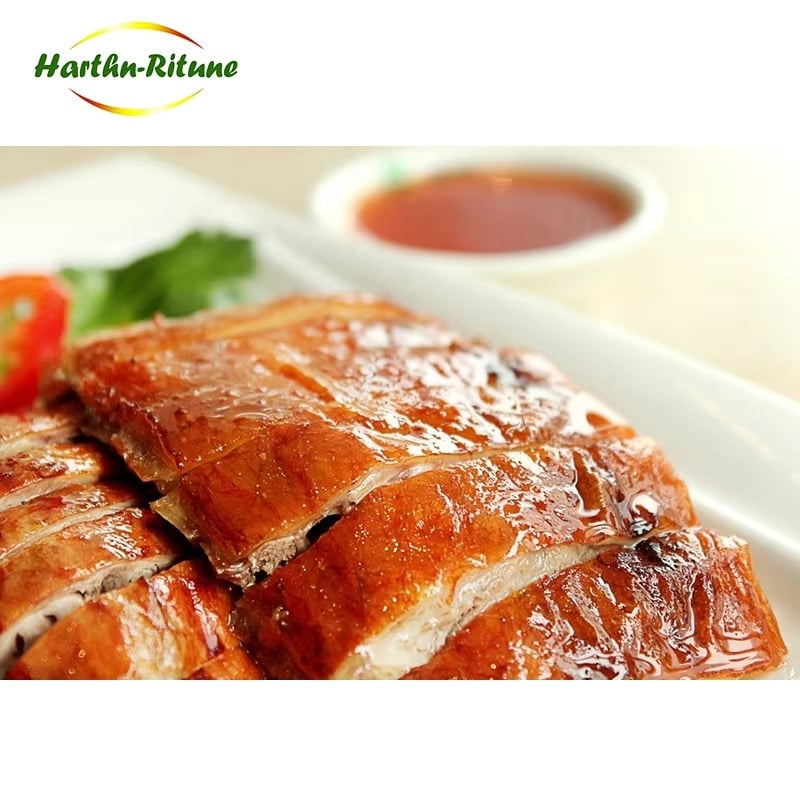
Professional caterers are constantly seeking ways to improve cost control, maintain food quality, and increase operational efficiency. In large-scale catering operations, ingredient selection plays an important role in profitability because food costs, preparation time, and inventory management directly influence overall business performance. Frozen cooked food has become an increasingly valuable option for caterers because it provides consistent quality, reliable supply, and easier cost management compared with many fresh food alternatives.
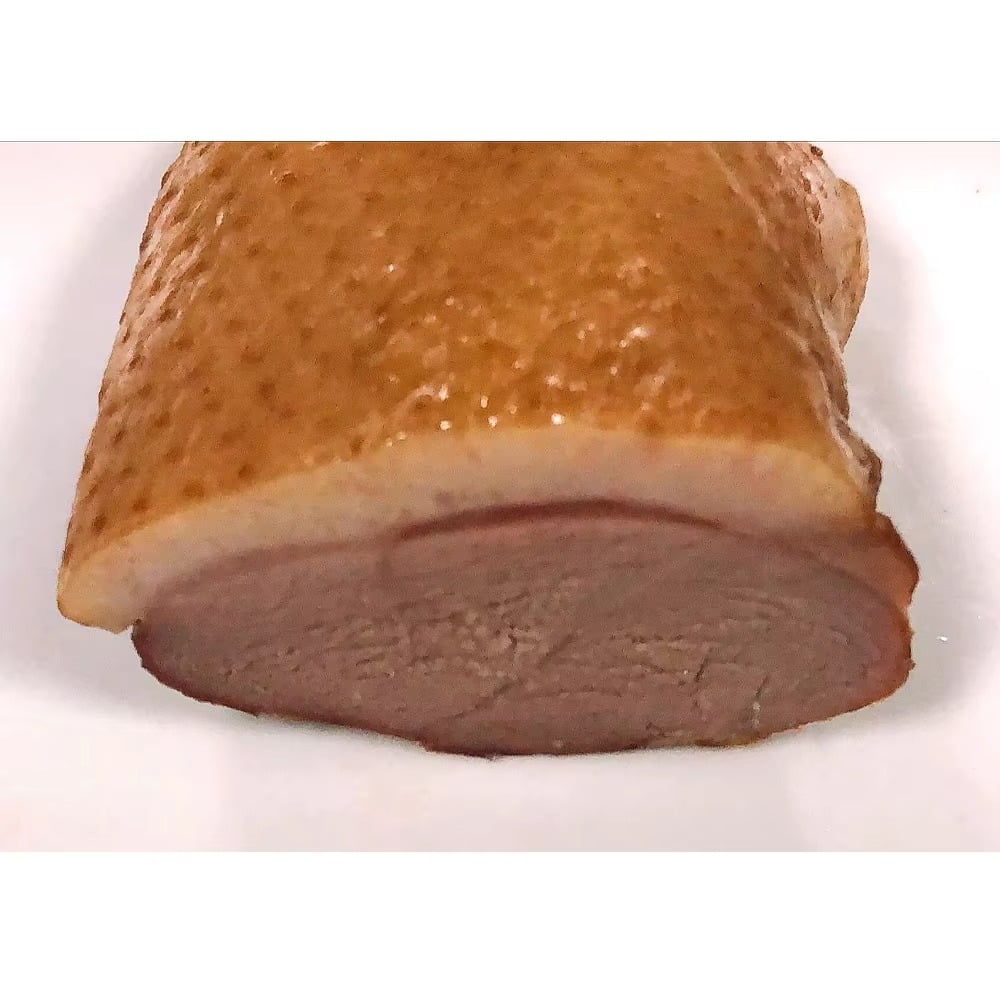
Understanding the value of frozen cooked food helps catering companies make better purchasing decisions and develop more efficient menu strategies. Frozen cooked food products allow caterers to reduce preparation workloads, minimize food waste, and maintain stable service standards across different events. From hotels and restaurants to corporate catering and large-scale event services, frozen cooked food has become an important solution for businesses that require predictable quality and flexible supply.
Cost Efficiency Advantages of Frozen Cooked Food for Caterers
Reduced Labor Costs and Preparation Time
The cost advantage of frozen cooked food extends beyond the product purchase price because it significantly reduces preparation requirements in catering kitchens. Fresh ingredients often require multiple processing steps before they can be used, including cleaning, cutting, cooking, seasoning, and portioning. These additional tasks require more employees, longer preparation periods, and greater equipment usage, which increases operational expenses.
Frozen cooked food products are processed before delivery and are usually ready for final preparation or serving, allowing catering businesses to simplify kitchen operations. By reducing manual preparation work, caterers can improve labor efficiency and allocate resources more effectively during busy service periods. The labor savings provided by frozen cooked food become especially valuable for large catering operations that manage multiple events and high-volume orders.
Stable Supply and Better Cost Forecasting
Food cost fluctuations are a major challenge for catering businesses, especially when relying on fresh ingredients affected by seasonal availability, weather conditions, and supply chain changes. The frozen cooked food market provides caterers with more stable purchasing conditions because frozen products can be produced, stored, and supplied throughout the year.
This supply stability helps catering companies forecast expenses more accurately and create more reliable menu pricing. By working with experienced frozen cooked food suppliers, caterers can establish long-term purchasing plans and reduce the impact of unexpected ingredient shortages or market price changes. The predictable supply of frozen cooked food supports better financial planning and helps protect catering profit margins.
Quality and Consistency Benefits of Frozen Cooked Food
Maintaining Catering Service Standards
Consistency is one of the most important factors in professional catering services. Customers expect the same quality, taste, and presentation regardless of event size or location. Frozen cooked food helps caterers achieve consistent results because products are manufactured under controlled conditions with standardized processing procedures.
Modern frozen cooked food production uses advanced processing and freezing technologies to maintain product characteristics during storage and transportation. This allows catering companies to provide reliable dishes without depending on daily variations in ingredient quality or preparation methods. For businesses serving hotels, corporate events, and large gatherings, this consistency helps improve customer satisfaction and strengthen brand reputation.
Food Safety and Storage Advantages
Food safety management is a critical consideration for catering businesses because improper storage and handling can increase operational risks. Fresh ingredients often require careful inventory rotation and strict usage schedules to avoid spoilage. In comparison, frozen cooked food provides longer storage periods and better inventory flexibility when stored under proper temperature-controlled conditions.
Professional frozen cooked food manufacturers usually operate with strict quality control procedures, including production monitoring, hygiene management, and product testing. These standards help ensure that products meet food safety requirements while reducing waste caused by expired or damaged ingredients. For caterers, the extended shelf life of frozen cooked food provides better inventory control and lowers the risk of unnecessary food losses.
Strategic Menu Planning and Operational Flexibility
Supporting Different Catering Applications
The variety of frozen cooked food products allows caterers to develop more flexible menus for different customer requirements. Frozen seafood, prepared meat products, frozen vegetables, ready-to-serve meals, and other cooked food options can be integrated into various catering applications.
This flexibility enables catering businesses to respond to different market demands without relying entirely on seasonal ingredients. Whether serving small private events, restaurant customers, or large corporate functions, frozen cooked food provides reliable product availability and supports diverse menu development.
For catering operators, the ability to maintain consistent menu options throughout the year creates stronger operational advantages and improves customer experience.
Improving Large Event Catering Efficiency
Large-scale catering requires careful planning, reliable supply, and efficient food preparation processes. Frozen cooked food provides valuable support for large events because products can be stored in advance and prepared according to actual demand.
Unlike fresh ingredients that may have limited availability or require immediate use, frozen cooked food allows caterers to maintain inventory flexibility. This makes it easier to manage seasonal events, urgent orders, and large customer requests without compromising service quality.
The scalability of frozen cooked food makes it especially suitable for professional catering companies that need to handle different event sizes while maintaining stable performance.
Factors Caterers Should Consider When Choosing Frozen Cooked Food Suppliers
Product Quality and Processing Standards
Choosing the right supplier is essential for maximizing the value of frozen cooked food in catering operations. Buyers should evaluate supplier production capabilities, raw material management, processing technology, and quality control systems before establishing cooperation.
Reliable frozen cooked food suppliers invest in advanced manufacturing facilities and strict inspection procedures to ensure product consistency and safety. Suppliers with strong production experience can better support caterers with stable products that meet specific application requirements.
Supply Capacity and Distribution Support
Supply reliability is another important factor when selecting a frozen cooked food supplier. Catering businesses need partners that can provide stable production capacity, efficient logistics, and consistent delivery schedules.
A professional supplier should have effective cold chain management systems to maintain product quality throughout transportation and storage. Strong distribution capabilities help caterers avoid supply disruptions and ensure that frozen cooked food products arrive in suitable conditions.
Long-term cooperation with reliable suppliers allows catering companies to improve procurement efficiency and build a more stable food supply system.
Future Trends of Frozen Cooked Food in the Catering Industry
The demand for frozen cooked food is expected to continue growing as catering businesses focus on improving efficiency, reducing operational costs, and maintaining consistent service quality. Advances in food processing technology, freezing methods, and packaging solutions are helping frozen products achieve better taste, longer shelf life, and wider applications.
Future developments in the frozen cooked food market are likely to include more customized catering products, healthier prepared food options, improved sustainability practices, and expanded private label opportunities. Caterers that adopt reliable frozen food solutions can better respond to changing customer expectations and increasing competition in the food service industry.
For catering companies, partnering with experienced frozen cooked food suppliers will remain an important strategy for achieving cost efficiency, operational flexibility, and long-term business growth.
FAQ
How does frozen cooked food provide better value for caterers?
Frozen cooked food provides better value by reducing preparation labor, minimizing food waste, improving inventory management, and offering more stable supply conditions. These advantages help catering businesses control costs while maintaining consistent food quality.
Is frozen cooked food suitable for large catering events?
Yes, frozen cooked food is widely used for large catering events because it provides reliable supply, consistent quality, and flexible storage options. It helps catering companies manage high-volume food preparation more efficiently.
What should caterers consider when selecting a frozen cooked food supplier?
Caterers should evaluate supplier production experience, food safety standards, processing capabilities, cold chain management, and supply reliability. A dependable frozen cooked food supplier can provide stable products and support long-term catering operations.
Why is frozen cooked food becoming more popular in the catering industry?
Frozen cooked food is becoming more popular because it helps businesses reduce labor costs, improve operational efficiency, maintain consistent quality, and respond more effectively to changing customer demands.