
 EN
EN

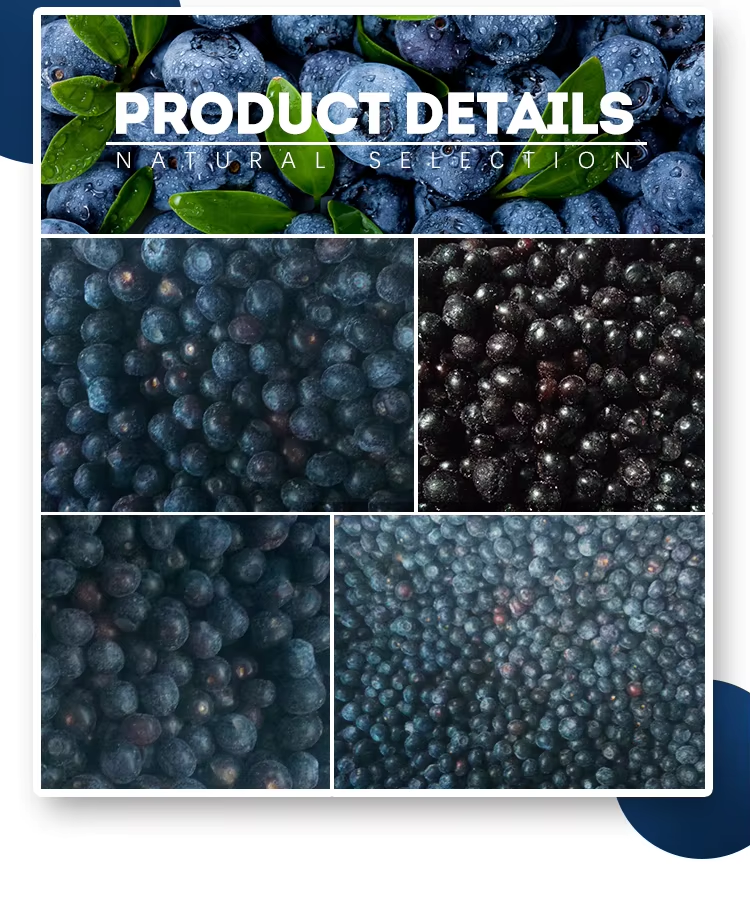
Food manufacturers face significant challenges when managing seasonal demand fluctuations and maintaining consistent product availability throughout the year. The solution lies in strategic sourcing of high-quality frozen fruits that provide year-round access to premium ingredients. These processed fruits offer manufacturers the flexibility to meet consumer demands regardless of harvest seasons while maintaining nutritional value and flavor profiles that fresh alternatives often cannot guarantee during off-peak periods.

The global food manufacturing industry increasingly relies on frozen fruit solutions to bridge the gap between seasonal availability and continuous production demands. Modern freezing technologies preserve the essential characteristics of fresh produce while extending shelf life significantly. This approach enables manufacturers to maintain consistent production schedules and meet consumer expectations for fruit-based products regardless of natural harvest cycles that traditionally limited manufacturing capabilities.
Strategic inventory management becomes substantially more efficient when manufacturers incorporate frozen fruits into their supply chain operations. Unlike fresh alternatives that require immediate processing and have limited storage windows, frozen options provide extended planning horizons and reduced waste. This operational advantage translates directly into improved profit margins and enhanced ability to respond to unexpected market demands or supply chain disruptions that commonly affect the food manufacturing sector.
Understanding Seasonal Demand Patterns
Market Fluctuations in Food Manufacturing
Food manufacturers experience predictable seasonal patterns that significantly impact production planning and inventory management strategies. Consumer demand for fruit-based products typically peaks during summer months and holiday seasons, creating substantial pressure on manufacturing operations. These demand spikes often coincide with limited fresh fruit availability, making frozen fruits an essential component for maintaining consistent product quality and meeting customer expectations throughout the year.
Understanding these cyclical patterns enables manufacturers to develop proactive sourcing strategies that leverage frozen fruit advantages. Peak demand periods for baked goods, desserts, and processed foods create opportunities for manufacturers who have secured reliable frozen fruit supplies. The ability to maintain consistent ingredient quality during high-demand periods directly impacts customer satisfaction and brand reputation in competitive food markets.
Supply Chain Stability Through Frozen Solutions
Traditional fresh fruit supply chains suffer from inherent instability caused by weather conditions, transportation delays, and seasonal availability constraints. Frozen fruits eliminate these variables by providing manufacturers with predictable supply sources that remain consistent regardless of external factors. This stability enables more accurate production forecasting and reduces the risk of production delays or quality compromises that commonly affect manufacturers dependent on fresh ingredients.
Manufacturing facilities benefit from the extended shelf life characteristics that frozen fruits provide, allowing for bulk purchasing strategies that reduce per-unit costs. These cost advantages become particularly significant during off-season periods when fresh alternatives command premium prices. Smart procurement of frozen fruits during optimal pricing periods creates sustainable competitive advantages for forward-thinking manufacturers.
Quality Preservation and Nutritional Benefits
Advanced Freezing Technologies
Modern freezing technologies employed in frozen fruits processing preserve nutritional content and flavor characteristics that often surpass fresh alternatives during extended storage periods. Individual Quick Freezing techniques maintain cellular structure integrity, preventing the formation of large ice crystals that traditionally compromised texture quality. These technological advances ensure that manufacturers receive consistent ingredient quality that meets stringent production standards throughout the year.
Temperature-controlled processing environments used for frozen fruits maintain optimal conditions from harvest to final packaging, minimizing quality degradation that commonly occurs in fresh fruit supply chains. This controlled environment approach ensures that manufacturers receive ingredients with predictable characteristics, enabling consistent product formulation and reducing the need for recipe adjustments based on seasonal ingredient variations.
Nutritional Consistency for Product Development
Frozen fruits provide manufacturers with reliable nutritional profiles that remain consistent across different production batches and seasons. This consistency proves crucial for manufacturers developing products with specific nutritional claims or meeting regulatory requirements for ingredient labeling. Fresh fruit nutritional content varies significantly based on growing conditions, harvest timing, and storage duration, creating challenges for manufacturers requiring precise nutritional specifications.
Research demonstrates that properly frozen fruits retain higher levels of certain vitamins and antioxidants compared to fresh alternatives that have undergone extended transportation and storage periods. This nutritional advantage enables manufacturers to market products with enhanced health benefits while maintaining cost-effective ingredient sourcing strategies that support profitable operations throughout varying seasonal conditions.
Cost Management and Inventory Optimization
Procurement Strategy Advantages
Strategic procurement of frozen fruits enables manufacturers to capitalize on seasonal price fluctuations by purchasing larger quantities during peak harvest periods when prices reach annual lows. This bulk purchasing approach requires adequate storage infrastructure but provides substantial cost savings that improve overall profitability. Manufacturers can secure annual fruit requirements at optimal pricing while avoiding the price volatility associated with fresh fruit markets.
Extended shelf life characteristics of frozen fruits reduce inventory turnover pressure and minimize waste associated with perishable fresh alternatives. This reduced waste translates directly into improved profit margins and more predictable cost structures. Manufacturers benefit from the ability to maintain safety stock levels that ensure continuous production capabilities without the risk of ingredient spoilage that commonly affects fresh fruit inventory management.
Storage and Handling Efficiency
Frozen fruits require standardized storage conditions that simplify warehouse management compared to fresh alternatives demanding varied temperature and humidity requirements. This standardization reduces storage costs and improves inventory accuracy through simplified handling procedures. Manufacturing facilities can optimize storage space utilization and reduce labor requirements associated with inventory rotation and quality monitoring typically required for fresh fruit management.
Automated handling systems integrate more effectively with frozen fruits due to consistent packaging and storage requirements. This compatibility enables manufacturers to implement efficient inventory management systems that reduce labor costs and improve accuracy. The predictable characteristics of frozen fruits support lean manufacturing principles by minimizing inventory complexity and reducing the resources required for ingredient quality control procedures.
Production Flexibility and Scalability
Manufacturing Schedule Optimization
Frozen fruits provide manufacturers with unprecedented flexibility in production scheduling by eliminating the time-sensitive constraints associated with fresh ingredient processing. Production teams can plan manufacturing runs based on market demand rather than ingredient availability, optimizing facility utilization and labor scheduling. This flexibility becomes particularly valuable during peak demand periods when manufacturers must maximize production capacity to meet customer requirements.
Extended processing windows available with frozen fruits enable manufacturers to implement just-in-time production strategies that reduce inventory carrying costs while maintaining responsiveness to market demands. Manufacturing facilities can adjust production volumes based on real-time market conditions rather than being constrained by fresh ingredient availability windows that traditionally limit operational flexibility.
Product Development Capabilities
Consistent availability of frozen fruits throughout the year enables continuous product development and testing activities that would be impossible with seasonal fresh alternatives. Research and development teams can conduct comprehensive testing programs without waiting for specific harvest seasons, accelerating time-to-market for new product innovations. This capability provides competitive advantages in rapidly evolving food markets where innovation speed determines market success.
Frozen fruits support expanded product line development by providing reliable ingredient sources for diverse applications ranging from bakery products to beverages and processed foods. Manufacturers can diversify their product portfolios without being constrained by seasonal ingredient availability, enabling year-round market presence across multiple product categories that utilize frozen fruits as primary ingredients.
Quality Control and Standardization
Consistent Processing Parameters
Manufacturing operations benefit from the standardized characteristics that frozen fruits provide, enabling consistent processing parameters across different production batches. This consistency reduces the need for frequent equipment adjustments and recipe modifications that commonly occur when using fresh ingredients with varying characteristics. Standardized processing improves production efficiency and reduces the likelihood of quality variations that can impact final product acceptance.
Quality control procedures become more streamlined when using frozen fruits due to the predictable characteristics and reduced variability compared to fresh alternatives. Testing protocols can be standardized and automated, reducing quality control costs while maintaining rigorous safety and quality standards. This standardization enables manufacturers to implement statistical process control methodologies that improve overall product consistency and reduce quality-related customer complaints.
Regulatory Compliance Benefits
Frozen fruits processed under controlled conditions often provide superior traceability and documentation compared to fresh alternatives sourced from multiple growers with varying record-keeping practices. This enhanced traceability supports regulatory compliance requirements and enables rapid response to food safety concerns or product recalls when necessary. Manufacturers benefit from the comprehensive documentation typically available with commercial frozen fruit suppliers.
Safety protocols implemented during frozen fruits processing often exceed requirements for fresh fruit handling, providing manufacturers with ingredients that have undergone rigorous safety testing and quality verification procedures. This additional safety assurance reduces the risk of contamination events that could impact manufacturing operations and brand reputation in competitive food markets.
Market Responsiveness and Customer Satisfaction
Demand Fulfillment Capabilities
Manufacturers utilizing frozen fruits can respond more effectively to unexpected demand increases or seasonal spikes that would overwhelm fresh ingredient supply chains. This responsiveness capability enables manufacturers to capture additional market opportunities and maintain customer relationships during high-demand periods. The ability to scale production quickly using frozen fruits inventory provides competitive advantages in dynamic food markets.
Customer satisfaction improves when manufacturers can guarantee consistent product availability and quality throughout the year using frozen fruits as reliable ingredient sources. This consistency builds customer confidence and supports long-term business relationships that drive sustainable revenue growth. Manufacturers can make reliable commitments to customers regarding product availability and delivery schedules without concern for seasonal ingredient limitations.
Brand Protection and Market Position
Consistent product quality enabled by frozen fruits protects brand reputation by eliminating quality variations associated with seasonal fresh ingredient availability. Brand protection becomes particularly important for manufacturers serving retail channels where product consistency directly impacts consumer loyalty and repeat purchase behavior. Frozen fruits enable manufacturers to maintain brand standards regardless of seasonal supply chain challenges.
Market position strengthens when manufacturers can offer reliable product availability and consistent quality using frozen fruits as strategic ingredients. This reliability enables manufacturers to compete effectively against larger competitors while maintaining competitive pricing structures. The operational advantages provided by frozen fruits support sustainable competitive positioning in challenging food manufacturing markets.
FAQ
What are the main advantages of using frozen fruits in commercial food manufacturing
Frozen fruits offer several key advantages for commercial food manufacturers including consistent year-round availability, extended shelf life, predictable quality characteristics, and cost-effective inventory management. These benefits enable manufacturers to maintain steady production schedules regardless of seasonal variations while reducing waste and improving profit margins through strategic procurement strategies.
How do frozen fruits compare to fresh alternatives in terms of nutritional content
Properly processed frozen fruits often retain higher nutritional value compared to fresh alternatives that have undergone extended transportation and storage periods. Modern freezing technologies preserve vitamins, minerals, and antioxidants effectively while maintaining consistent nutritional profiles that support accurate product labeling and nutritional claims for manufactured food products.
What storage and handling considerations apply to frozen fruits in manufacturing facilities
Frozen fruits require consistent temperature maintenance typically at -18°C or lower, adequate cold storage capacity, and proper inventory rotation procedures. Manufacturing facilities benefit from standardized storage requirements that simplify warehouse management compared to fresh alternatives requiring varied environmental conditions and more complex handling procedures to maintain quality.
How can manufacturers optimize costs when sourcing frozen fruits for production
Cost optimization strategies include bulk purchasing during peak harvest seasons when prices are lowest, developing relationships with reliable suppliers for volume discounts, implementing efficient inventory management systems to minimize carrying costs, and leveraging the extended shelf life to reduce waste and improve overall ingredient utilization efficiency.
Table of Contents
- Understanding Seasonal Demand Patterns
- Quality Preservation and Nutritional Benefits
- Cost Management and Inventory Optimization
- Production Flexibility and Scalability
- Quality Control and Standardization
- Market Responsiveness and Customer Satisfaction
-
FAQ
- What are the main advantages of using frozen fruits in commercial food manufacturing
- How do frozen fruits compare to fresh alternatives in terms of nutritional content
- What storage and handling considerations apply to frozen fruits in manufacturing facilities
- How can manufacturers optimize costs when sourcing frozen fruits for production